Capital World Group
  • Shanghai
  • Taipei
  • Shaoxing
  • Hanoi
  • Nam Dinh
the softest fabric

8 softest fabrics for modern women’s apparel

For modern women’s apparel, softness is more than a comfort feature. It defines how garments feel, drape, and perform in everyday wear. From casual essentials to premium fashion collections, women consistently prioritize fabrics that are gentle on the skin, breathable, and refined in touch. Understanding what makes a fabric truly soft enables fashion brands to design better products and enhance customer satisfaction. 

This guide explores the softest cloth materials used in modern women’s apparel to support smarter fabric decisions.

Quick Comparing Fabric Qualities

Type of materialSoftnessBreathabilityDurabilityIdeal use in ladies’ apparel
SilkVery highModerateModerateLuxury blouses, dresses, and lingerie
ModalHighHighHighTops, loungewear, underwear
SateenHighModerateModerateDresses, skirts, sleepwear
LyocellHighVery highHighShirts, dresses, casual wear
Bamboo fabricHighHighModerateBasics, sleepwear, activewear
CottonMedium to highVery highHighEveryday apparel, casualwear
CashmereVery highModerateModerateKnitwear, premium layers
ViscoseHighHighModerateDresses, blouses, skirts

This comparison highlights how different fabrics balance softness with breathability and durability in women’s apparel. While silk and cashmere deliver exceptional softness for premium collections, materials like modal, lyocell, and cotton provide versatile comfort suitable for everyday wear

The softest fabrics commonly used in ladies’ apparel 

1. Silk

  • Origin: Silk is a natural protein fiber produced from silkworm cocoons, traditionally cultivated in Asia. It has been used in luxury textiles for centuries due to its refined texture and natural sheen.
  • Why it’s soft: This fabric is soft because its fibers are extremely fine, continuous filaments with a naturally smooth surface. This structure minimizes friction against the skin while allowing the fabric to drape fluidly and feel cool, light, and gentle.
  • Used for: Blouses, dresses, lingerie, and scarves. It is ideal for garments that require elegance and fluid drape.
  • Best qualities: Silk offers a luxurious hand-feel and excellent temperature regulation. It enhances garment aesthetics while remaining gentle on the skin.
silk fabric

2. Modal

  • Origin: Modal is a regenerated cellulose fiber made from sustainably sourced beechwood pulp. It is engineered to improve softness and durability compared to traditional viscose fibers.
  • Why it’s soft: Modal’s softness comes from its refined cellulose fiber structure, which is smoother and more uniform than conventional viscose. The fibers bend easily, reduce surface roughness, and create a consistently soft, silk-like feel on contact.
  • Used for: Tops, dresses, loungewear, and underwear. It performs well in everyday and close-to-skin apparel.
  • Best qualities: Modal delivers a silky-soft touch with excellent breathability. It also retains color and shape after repeated washing.

3. Sateen

  • Origin: Sateen refers to a weave structure rather than a fiber and is most often made from cotton or blended yarns. The weave emphasizes surface yarns to enhance smoothness.
  • Why it’s soft: Sateen feels soft due to its satin-style weave, which places more yarns on the fabric surface. This construction reduces surface friction and creates a smooth, supple hand-feel while enhancing flexibility and drape.
  • Used for: Dresses, skirts, sleepwear, and linings. It adds softness and visual refinement to garments.
  • Best qualities: Sateen provides a smooth, soft surface with subtle sheen. It improves drape while maintaining fabric structure.
sateen fabric

4. Lyocell

  • Origin: Lyocell is a regenerated cellulose fiber produced from wood pulp using a closed-loop manufacturing process. It is known for combining comfort with sustainability.
  • Why it’s soft: Lyocell fibers have a uniform internal structure and a naturally smooth surface, allowing the fabric to bend easily and absorb moisture efficiently. This combination reduces stiffness and creates a soft, cool sensation against the skin.
  • Used for: Shirts, dresses, trousers, and casual wear.
  • Best qualities: Lyocell feels soft and cool against the skin. It offers breathability while supporting responsible material sourcing.

5. Bamboo Fabric

  • Origin: Bamboo fabric is a regenerated cellulose textile made from bamboo pulp. It is processed to create smooth fibers suitable for soft apparel applications.
  • Why it’s soft: Bamboo-based fibers are processed into smooth, rounded filaments with low surface friction. Their soft texture and natural flexibility allow the fabric to glide comfortably over the skin without causing irritation or roughness.
  • Used for: Sleepwear and activewear. It performs well in warm and humid conditions.
  • Best qualities: It delivers a soft hand-feel with strong moisture management. Bamboo-based fabrics are often associated with comfort-focused collections
bamboo fabric

6. Cotton

  • Origin: Cotton is a natural plant fiber harvested from cotton bolls and widely cultivated worldwide. Fiber quality varies depending on staple length and processing methods.
  • Why it’s soft: Cotton’s softness depends on fiber length and fineness. Long, fine cotton fibers create smoother yarns with fewer protruding ends, resulting in a softer surface that becomes even more comfortable after washing and wear.
  • Used for: Cotton is used across almost all categories of women’s apparel. It is a foundation fabric for everyday and seasonal collections.
  • Best qualities: Cotton offers breathable, skin-friendly comfort. It is versatile, durable, and easy to adapt to different garment types.

7. Cashmere

  • Origin: Cashmere is a natural animal fiber sourced from the soft undercoat of cashmere goats, primarily from Mongolia and surrounding regions. It is harvested through careful combing.
  • Why it’s soft:  Cashmere is exceptionally soft because its fibers are extremely fine and delicate, with a natural crimp that enhances flexibility. This structure allows the fabric to feel light, plush, and gentle without causing skin irritation.
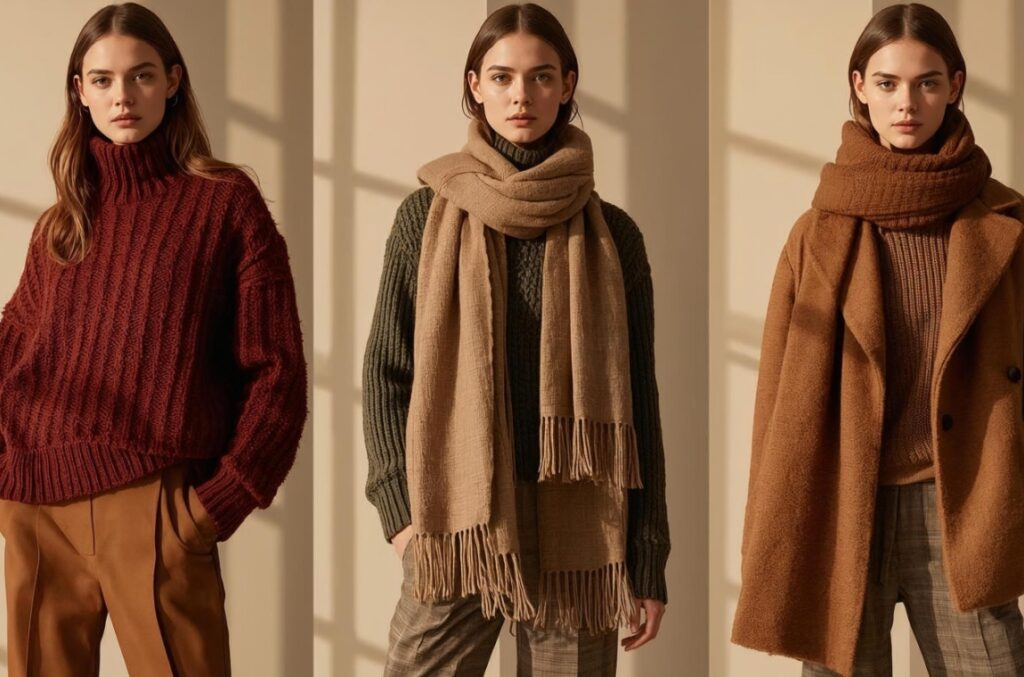
  • Used for: Sweaters, knit tops, and premium layering pieces. It is reserved for high-end apparel lines.
  • Best qualities: Cashmere provides exceptional softness and warmth without weight. It elevates garments with a refined, luxurious feel.
cashmere fabric

8. Viscose fabric

  • Origin: Viscose is a regenerated cellulose fiber made from wood pulp through a controlled chemical process. It was developed as an accessible alternative to silk.
  • Why it’s soft: Viscose fibers have a smooth surface and fluid internal structure that allows the fabric to move easily. This reduces stiffness and creates a soft, flowing hand-feel similar to silk, especially in lightweight garments.
  • Used for: Dresses, blouses, and skirts. It supports flowing silhouettes and lightweight designs.
  • Best qualities: Viscose offers a soft, silk-like feel at a competitive cost. It enhances drape and comfort in fashion apparel.

What determines fabric softness? 

Fabric softness is defined by how a material responds to touch, movement, and prolonged wear. For women’s apparel, softness affects comfort, drape, and overall garment quality. While softness can feel subjective, it is shaped by measurable fiber and fabric properties that influence how a textile bends, compresses, and interacts with the skin. Understanding these factors helps fashion brands select fabrics that meet customer comfort expectations while maintaining durability and performance.

Key factors that determine fabric softness include:

  • Fiber fineness and diameter: Finer fibers create a smoother, softer handfeel against the skin.
  • Bending and compression behavior: Fabrics that flex and compress easily feel more supple and comfortable.
  • Surface friction and smoothness: Lower friction reduces irritation and enhances perceived softness.
  • Fabric thickness, density, and specific volume: Balanced structure improves softness without compromising shape or wearability.
what are the softest fabrics

How to measure the softness of cloth material

Fabric softness can be evaluated through a combination of laboratory testing and expert assessment to ensure consistency and reliability. For women’s apparel brands, objective measurement helps translate subjective comfort into repeatable quality standards. These methods assess how a fabric reacts to tension, pressure, and movement, providing insight into its comfort performance during wear. When combined with professional hand-feel evaluation, they allow manufacturers to select and refine fabrics that meet premium softness expectations at scale.

  • Tensile testing to evaluate flexibility and responsiveness
  • Compression testing to measure fabric thickness reduction and yielding behavior
  • Bending rigidity tests to assess stiffness and drape performance
  • Expert hand-feel evaluation following standardized assessment guidelines

How manufacturers enhance fabric softness

Fabric softness is not only determined by fiber selection but also by the finishing techniques applied during manufacturing. Apparel producers use specialized processes to improve surface smoothness, flexibility, and overall hand-feel while preserving fabric performance. These methods allow women’s garments to feel softer, drape better, and meet comfort expectations across different wear occasions.

  • Chemical softeners (such as silicone softeners) to reduce fiber-to-fiber friction
  • Enzyme washing to gently remove rough surface fibers
  • Sueding or brushing to create a velvety, plush hand feel
  • Calendering to smooth and compress the fabric surface
  • Quality testing and hand-feel evaluation to ensure consistent softness before production

Capital World Group supports global apparel brands seeking a trusted Vietnam garment manufacturer capable of delivering premium women’s wear with optimized cost, speed, and sustainability. Founded in 1967, this company operates 18 production lines with a skilled workforce of over 800 staff with strong social and environmental commitments backed by certifications including ISO 9001, Higg FEM, amfori BSCI, and SLCP, along with access to RCS, BCI, and FSC-ready fabrics.

Read More
Capital World Group

Trendy ladies wear manufacturer in Vietnam

The women’s fashion industry in Vietnam is thriving, powered by international demand for fast, stylish, and affordable collections. Yet, many traditional women wear factories still operate in the old ways, focusing on mass production rather than market trends. Capital World Group stands out as a trend-led women wear manufacturer, combining creativity with precision. We believe lady clothing should go beyond the basics to capture the essence of each season’s newness. Every women outfit we produce is made with care, innovation, and a clear understanding of what modern consumers desire.

Why we praise ourselves as a trendy ladies’ wear manufacturer

  • Sample studio built for speed: Average sample turnaround in 10 days with a sampling capacity of 500 pcs per week, supporting quick development and flexibility.
  • Fabric switchboard: Fast-sub fabrics and partnerships with multiple mills ensure designs stay fresh and minimum lead time production.
  • Varied in items: Tops, dresses, jumpsuits, bottoms, blazers, and outerwear available in multiple patterns, styles, and colors to meet any collection need.

How Capital World Group create trend-led ladies’ clothing collections

Our design and production teams combine technical expertise with creative direction to deliver the latest women’s fashion trends. With a vertical management system, every process takes place under one roof, ensuring better control, efficiency, and quality output.

Key elements we focus on:

  • Newness levers: Ruching, cut-outs, hardware accents, novelty buttons.
  • Surface play: Placed prints, puff or foil finishes, embroidery hits, engineered ribs.
  • Fit finesse: Snatched waists, bias cuts, soft tailoring in lightweight suiting.
  • Content ready: Hanger, flat, and try-on sets tailored for social media presentation.

Partner with Capital World Group – Vietnam’s trusted women’s wear factory

Capital World Group specialises in being a ladies’ clothing manufacturer producing competitive, quality women’s wear. Our dedicated sampling and production teams ensure that we deliver fashionable, high-quality women’s wear that meets global standards.

We continuously adapt to the latest fashion updates, allowing brands to stay relevant and competitive in a fast-moving market while meeting all women’s apparel product requirements and packaging compliances. With an average sample turnaround of around 10 days and a weekly sampling capacity of approximately 500 pieces, Capital World Group offers both speed and reliability in every stage of production. Contact us now for an end-to-end garment supply chain.

Read More
DSC03262

Apparel product requirements for women clothing manufacturers

The women’s apparel requirement for modern brands combines technical clarity with commercial practicality. Manufacturers must translate design intent into reliable production documents while balancing material selection, fit, quality check procedures, and regulatory needs. Successful producers reduce risk in bulk ordering by aligning fabric sourcing, making, producing and finishing processes with clear timelines and measurable standards. This approach keeps the collections market ready and supports efficient shipping and compliance for import regulations and tax documentation.

Choosing suitable materials

Selecting the correct fabric is the first step in ensuring the garment performs as intended. Fabric sourcing should match aesthetics, wearability and cost targets, with practical consideration for availability across seasons and lead times. Work with suppliers who can provide samples, lab dips and documented technical specs so that the making process is predictable and repeatable.

Materials characteristics

  • Texture: Fabric texture defines hand feel and the perceived quality of a woman’s garment.
  • Drape: Drape influences silhouette and determines how the piece will sit on the body.
  • Weight: Weight affects comfort and seasonality, important for market-appropriate assortments.
  • Breathability: Breathable fabrics maintain wearer comfort and reduce the risk of returns.
  • Durability: Durable inputs extend garment life and support wholesale reputations.

Sustainability

Today’s shoppers care deeply about how their clothes are made. Many brands are switching to eco-friendly materials and ethical production models. Capital World Group, a trusted Vietnamese textile manufacturer, supports this movement by offering sustainable solutions backed by ISO 9001, Higg FEM, amfori BSCI, and SLCP certifications. We help brands reach their sustainability goals while maintaining efficiency and quality.

Material testing and quality control

Before garments reach customers, every fabric and finished piece goes through a thorough quality check, conducted after every stage in the garment manufacturing process. This ensures each product meets brand standards and performs well in real-world conditions, minimizing returns and building trust with buyers.

Fit and measurement

Accurate sizing makes all the difference. Brands should always test and confirm fit points before large-scale production begins. A clear reference helps avoid costly mistakes later. Review our fit points to approve before bulk ordering to ensure consistent sizing and reduce pre-production issues.

13278672921392230

Standard garment manufacturing process

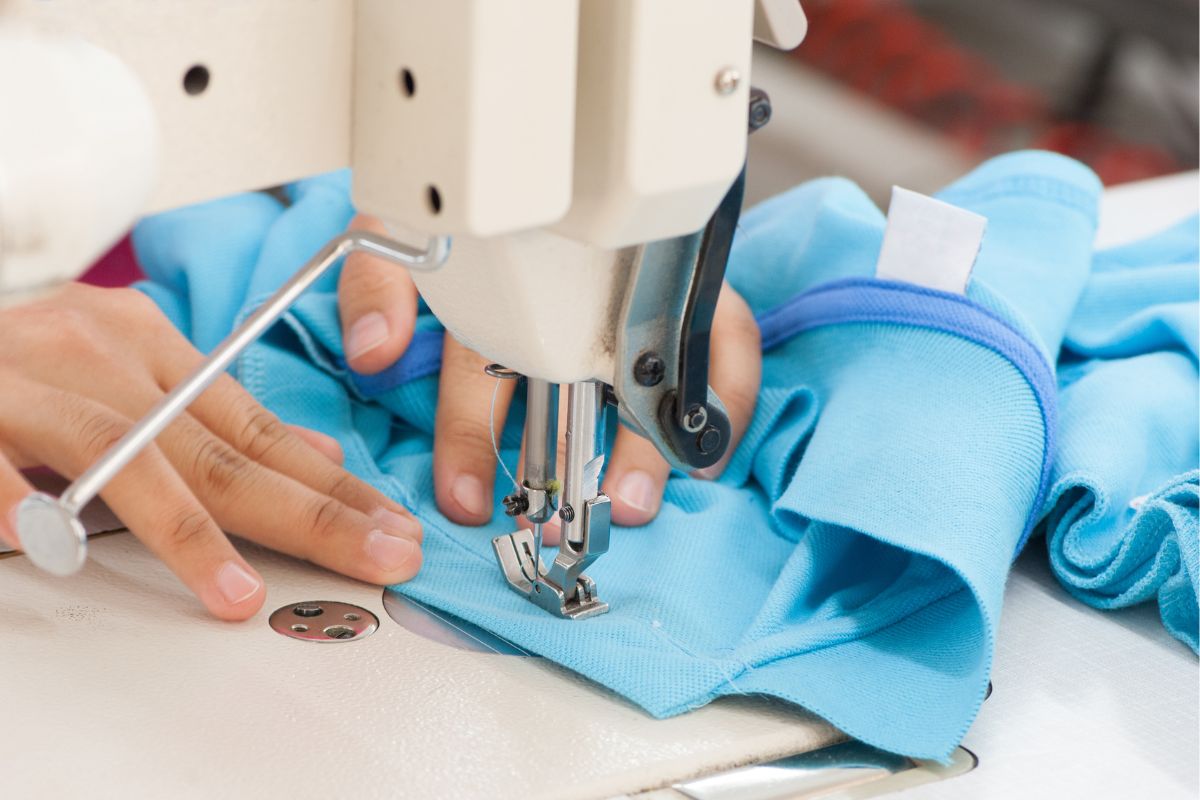
Great apparel combines skilled craftsmanship with reliable systems. A standard production flow includes pattern making, sample approval, cutting, sewing, finishing, and packing. At Capital World Group, our vertical integration model ensures every step of manufacturing stays consistent, efficient, and fully traceable, helping brands maintain quality in every bulk order.

Compliance and labelling

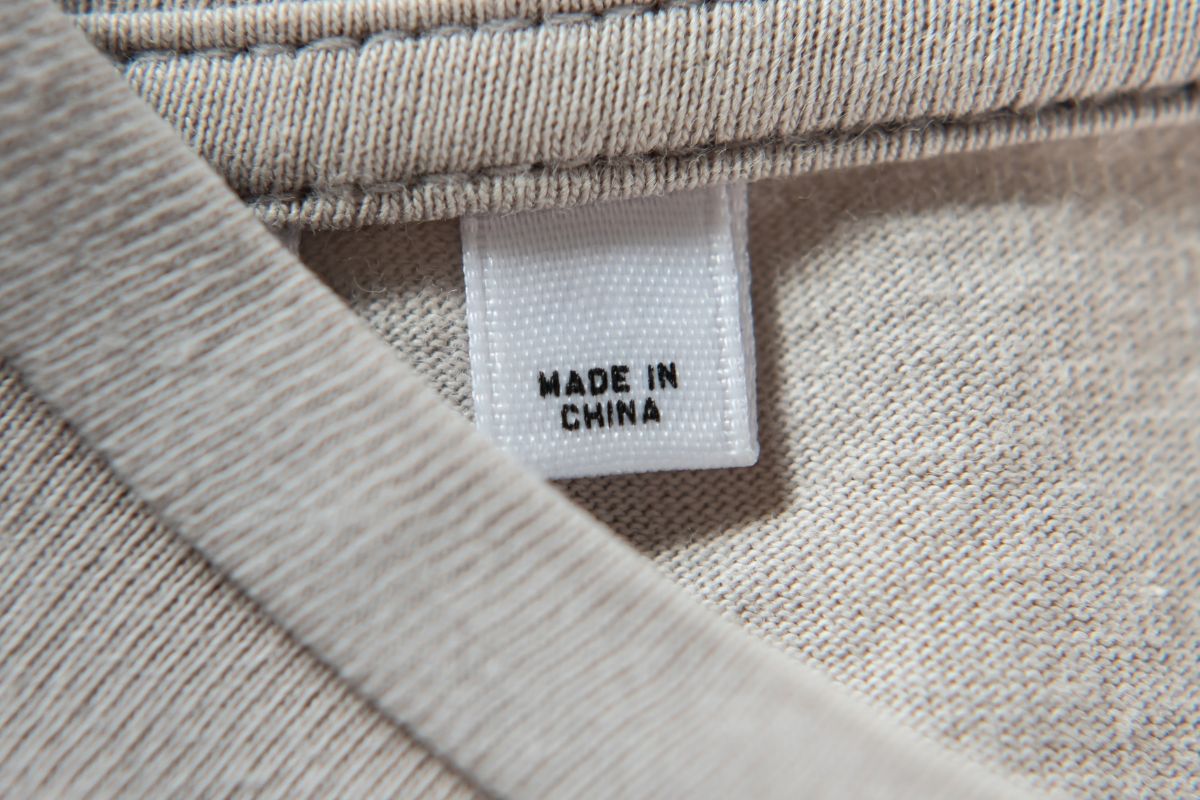
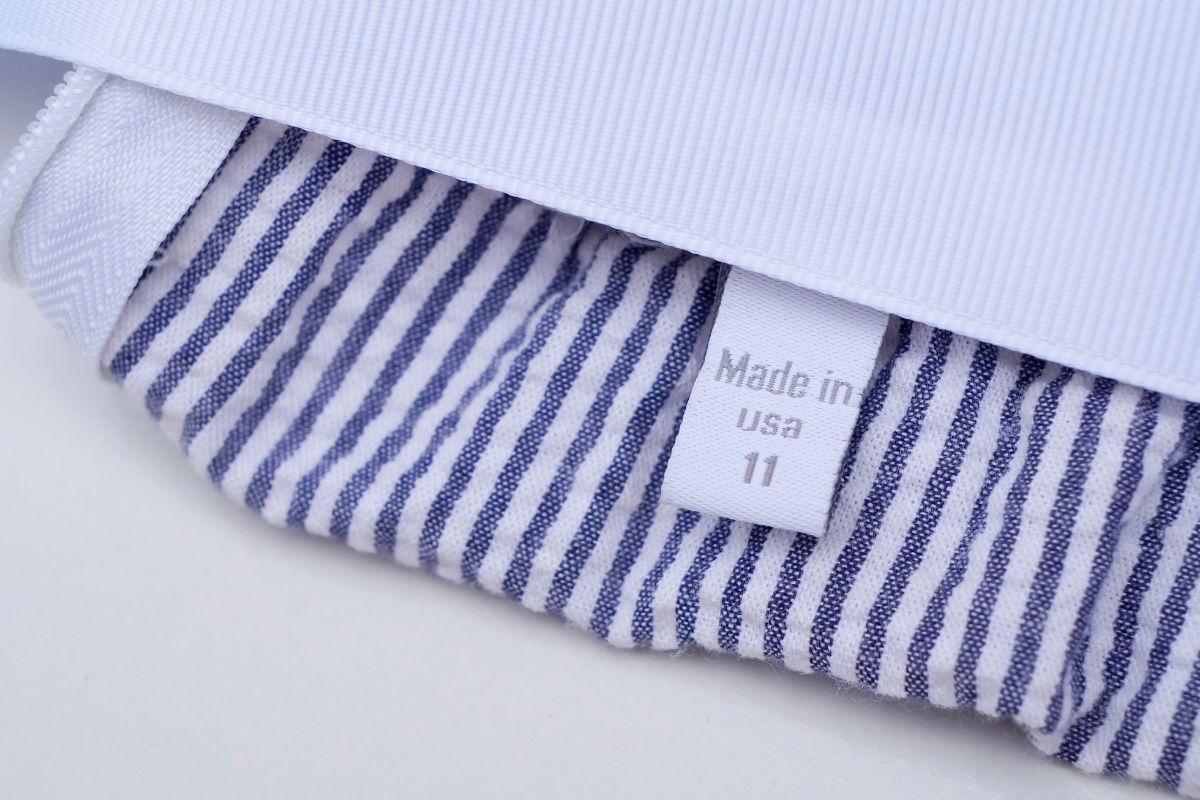
Before garments reach global markets, they must meet local import regulation standards and tax requirements. Labels should clearly state size, material composition, care instructions, and country of origin. To better understand these rules, read our detailed guide on compliance and regulations when importing clothes from Vietnam.

Packaging and Logistics

Packaging is the final stage of presentation. It protects garments during shipping and ensures they arrive looking pristine. Efficient logistics planning also helps brands save on time and cost, especially for global exports.

Capital World Group – a women’s wear manufacturer creating competitive, sustainable, and high-quality women’s wear trusted by global fashion labels. We’re dedicated to producing women’s clothing that meets every quality, sustainability, and compliance standard. Contact us for more information about our services.

Read More
Our structure 01 500x500 1

Capital World Group Provides Full-package women’s apparel manufacturer in Vietnam

Translating a fashion concept into a tangible garment requires more than sewing and stitching. It is about turning a creative vision into a market-ready product through the right mix of expertise, technology, and commitment. Capital World Group offers a full-package women’s clothes manufacturer model from fabric preparation and sourcing to design development, clothes production, packaging, and shipping.

With over 40 years of experience in the garment industry, our company is supported by skilled professionals and advanced machinery. We combine craftsmanship with modern efficiency, ensuring each piece meets the design specifications, timeline, and quality standards of global fashion brands.

Services that Capital World Group provides

Capital World Group offers an end-to-end full package garment manufacturing process that covers the complete production cycle. Each process is managed within our facility, ensuring full visibility, smooth coordination, and consistent quality. This structure enhances efficiency and keeps production aligned with brand timelines and quality expectations.

Fabric sourcing and development

Fabric sourcing is planned according to your design brief, cost target, and production schedule. We work with a network of mills providing competitive options for both standard and specialty textiles. Co-development is available for customized fabrics, including adjustments in GSM, drape, finish, and blend, supported by lab dips and strike-offs. With in-house sampling and dedicated capacity, we ensure that each fabric meets your design and performance goals with a thoughtful fit and grading strategy.

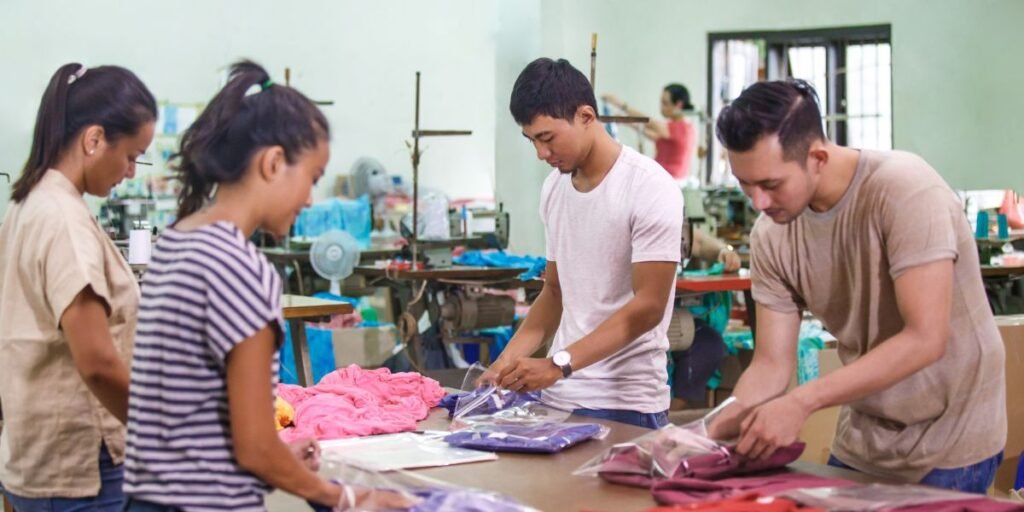
professional designers making clothes from materials in kiara garments factory

OEM/ODM Manufacturing

Following the women’s apprel product requirements, our OEM and ODM manufacturing services allow brands to focus on design direction, marketing, and distribution. This structure supports creative freedom while keeping production costs optimized and lead times shorter for large-scale operations.

Production

  • Trim & accessory sourcing
  • Pattern making & grading
  • Sample development
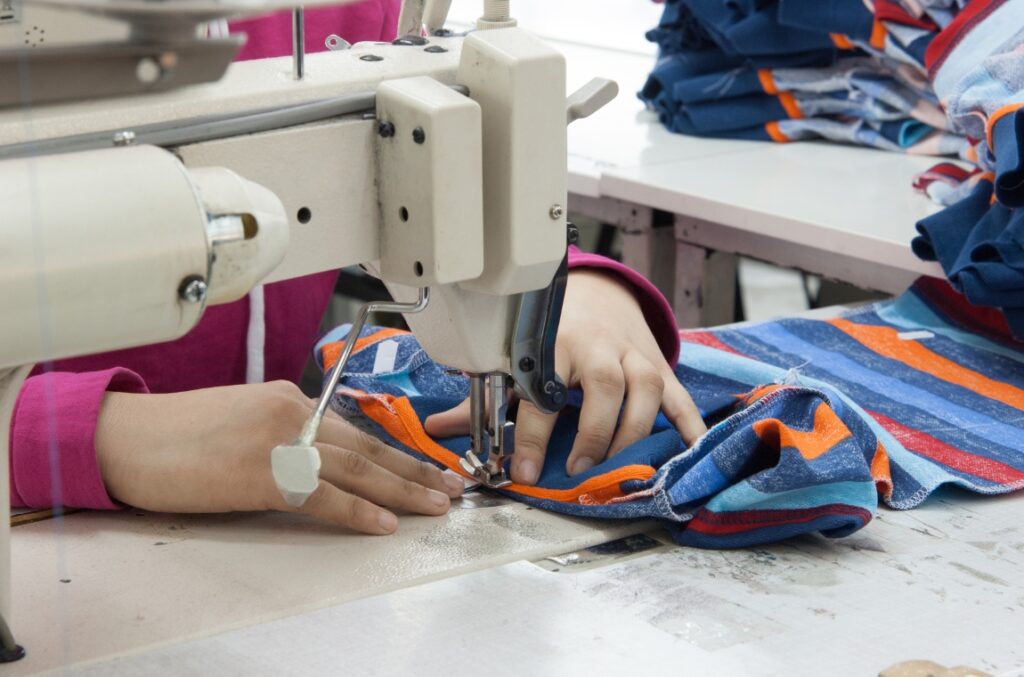
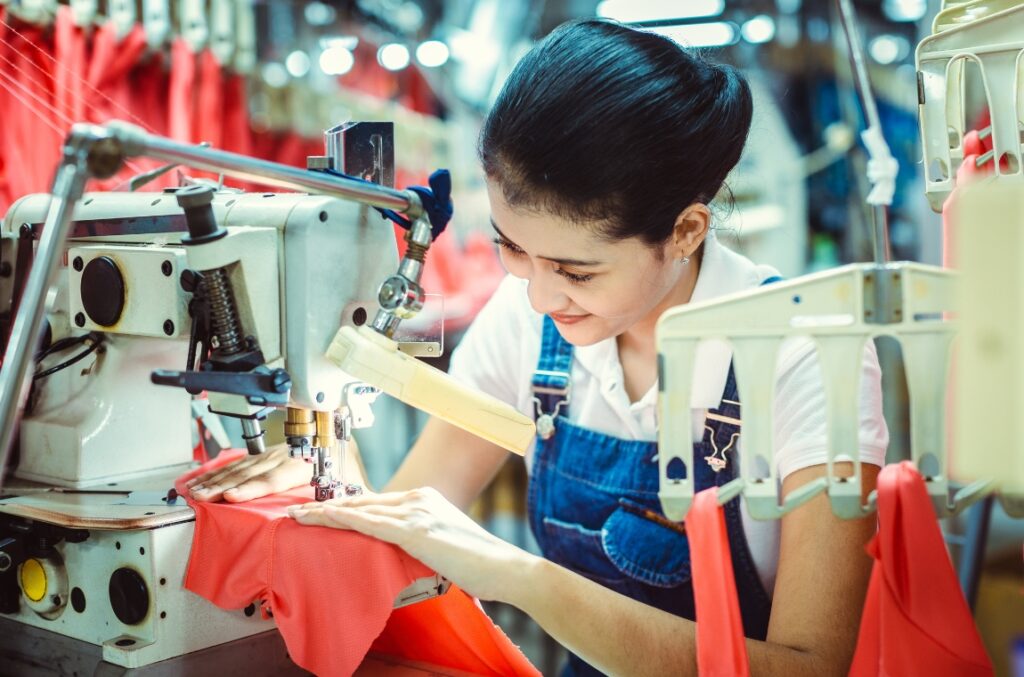
  • Sewing & bulk production

Packing and shipping assistance

Many fashion brands face shipping delays and higher costs when production stages are divided among different suppliers. The Capital World Group fibre to fashion full package service keeps every process in one managed system. Each stage, including fabric preparation, cutting, stitching, finishing, and packing (strictly follow the packaging requirements), is controlled with strict in-line quality checks. Our logistics team coordinates export activities efficiently through Hai Phong Port (HPH) or Hanoi Airport (HAN), ensuring smooth and timely international delivery.

Capital World Group – Your trusted full package clothing manufacturer

Capital World Group specialises in being a ladies’ clothing manufacturer producing competitive, quality women’s wear. Our experienced team provides quality garments supported by efficient production and professional presentation. The full package service model guarantees accuracy, consistency, and timely results at every stage with:

  • Minimum order quantity (MOQ): 3000 pcs per style
  • Average sample turnaround: 10 days
  • Sampling capacity: 500 pcs per week
  • Fabric origin: China, Taiwan, South Korea, Vietnam, India
Read More
operation at ladies’ wear factory in Vietnam

Wholesale women’s clothing manufacturer in Vietnam | Capital World Group

Capital World Group is a Vietnam-based wholesale women clothing manufacturer with over 40 years of industry experience. Our mission is to give global clients a competitive edge through consistent quality, modern production technology, and sustainable operations. Based in Nam Dinh Province, our facilities combine traditional craftsmanship with advanced machinery to produce ready-to-wear garments that meet international standards for design, performance, and value.

Our operations

Our production strength lies in our people, including 50 merchandisers, 15 pattern makers, 20 sample operators, and 15 QA professionals who ensure accuracy and efficiency at every stage.

  • Quality assurance: A multi-step quality control checklist is applied across each production phase, ensuring consistency in bulk orders and minimizing errors before shipment.
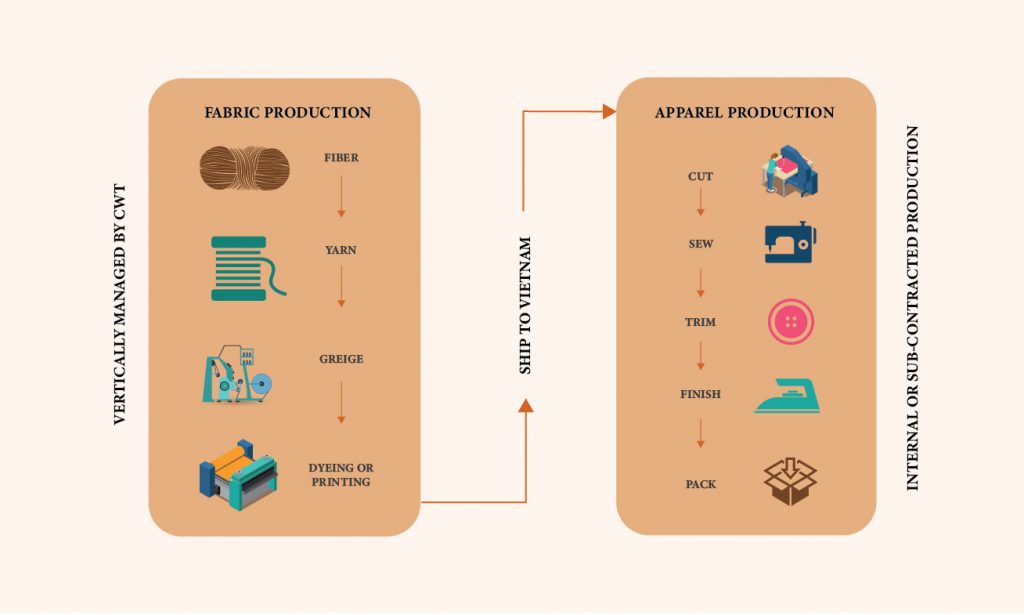
  • Vertically integrated garment manufacturing process
    • Fabric preparation: Selecting and testing fabrics aligned with client requirements for texture, weight, and colorfastness.
    • Yarn dyeing or printing: Managing patterns, prints, and color development through certified dyeing partners.
    • Cut, sew, trim: Operating under controlled production lines to maintain precision for every order quantity.
    • Finish: Steam pressing, inspection, and packaging readiness for ready-to-wear shipments.
    • Pack and ship: Final garments prepared for export with complete documentation, coordinated through our logistics partners.

Our sustainability efforts

Sustainability is not a marketing concept for Capital World Group. Established in 1967, our family-owned clothing factory approaches sustainable fashion as a responsibility. Every collection is created with low-impact materials, efficient processes, and traceable supply chains that reduce environmental impact for leading women’s wear brands.

wrap gots amfori bsci certificate

Governance, ethics and compliance

We maintain social compliance and worker welfare through BSCI and SLCP audits, verified by independent third parties such as amfori BSCI (DBID 372005) and SLCP (ID FA 154904). Our environmental and safety certifications include the Higg Index and ISO 9001/14001 systems. The Kiara Garments facility operates under the Higg Facility Environmental Module framework, ensuring measurable improvements in resource efficiency, labor safety, and waste management.

Learn more about The differences between OEM vs. ODM vs. Private Label for your garment production.

Sustainable materials and circularity

We implement recycled fiber programs with RCS and GRS traceability, ensuring all recycled inputs are verified and documented with certified chain-of-custody records. Our material portfolio includes FSC-certified viscose, Better Cotton Initiative (BCI) yarns, and GOTS-certified organic cotton, allowing brands to combine premium aesthetics with proven sustainability.

Kiara Garments – Your trusted wholesale clothing manufacturer

Capital World Group specialises in being a ladies clothing manufacturer producing competitive, sustainable, and high-quality women’s wear for international markets. Our expert team provides flexible manufacturing solutions tailored for global apparel wholesalers, retailers, and brands seeking scale and dependability. Check out our facts for more information:

  • Minimum Order Quantity (MOQ): 3000 pcs per style
  • Average sample turnaround: 10 days
  • Sampling capacity: 500 pcs per week
  • Fabric origin: China, Taiwan, South Korea, Vietnam, India
  • Port of origin: Hai Phong Port (HPH) or Hanoi Airport (HAN)

aerial view of kiara garments manufacturing factory capital world group

Read More
sewing fabric

Finishing details: linings, interfacings, hems for womenswear

Textile finishing represents the final stage of the manufacturing process, transforming raw fabric into a product ready for wear. Each finishing technique contributes to comfort, aesthetics, and durability. Without these refinements, most textiles would remain coarse, weak, or easily damaged. Finishing enhances softness, improves drape and flow, strengthens fibers, and refines texture for a skin friendly feel. Properly executed finishing ensures every garment combines longevity, elegance, and comfort, which are essential in types of finishing detail for womenswear

Lining fabric method

The lining serves as the inner layer of garments, distinct in both function and material. It enhances comfort while protecting the outer fabric and preserving shape. Typically smoother and softer than the exterior, it allows the garment to move gracefully with the body. A well-chosen lining elevates the textile finish and complements the drape of the design.

lining fabric

Purpose:

  • Provide a smooth interior finish.
  • Conceal inner construction such as seams and interfacings.
  • Improve garment drape and overall comfort.

Tips:

  • Allow ease in the lining for natural movement.
  • Attach at critical seams including neckline, armholes, and waistline.
  • Hem the lining slightly shorter to maintain a clean, professional edge.

Interfacing finishing method

Interfacing is an essential internal component applied beneath the garment fabric to add structure or shape. It plays a key role in ensuring stability in design areas exposed to strain or repetitive motion. Commonly used in collars, cuffs, clothing edges, waistbands, and plackets, interfacing supports both form and function while retaining garment fluidity and drape.

interfacing clothes

Purpose:

  • Provide structure and stability to key sections.
  • Prevent stretching or distortion.
  • Reinforce closures in high use zones.

Tips:

  • Match interfacing weight to the main fabric for balanced performance.
  • Test adhesion and texture on fabric scraps before application.
  • Choose lightweight fusible interfacings for delicate textiles to maintain softness and flow.

Hems finishing method

A hem represents the final touch in garment construction. This finishing step involves folding and stitching the clothing edges to secure the fabric, control length, and prevent fraying. Beyond utility, hems influence the garment’s drape, balance, and overall appearance. The choice of hemming technique depends on textile weight, texture, and intended drape.

hems finishing

Purpose:

  • Secure raw edges and prevent unraveling.
  • Define garment length while adding weight control.
  • Deliver a refined, durable finish with clean lines.

Tips:

  • Press hems carefully before stitching for accuracy.
  • Select suitable thread and stitch settings for each textile finish.
  • Hang garments before hemming to ensure natural alignment and even edges.

Kiara Garments of Capital World Group – Your trusted clothing manufacturer in Vietnam

Capital World Group specialises in being a women’s clothing manufacturer producing competitive, quality women’s wear. Our factory, Kiara Garments, focuses on excellence in detail through advanced finishing techniques and quality craftsmanship. Expert teams emphasize lining, interfacing, and hems to achieve superior texture, softness, and drape, which are the essential garment product requirements to maintain quality. Each production step is engineered for consistency, comfort, and style, ensuring premium results across diverse apparel categories.

Read More
fit and grading strategy

Fit and grading strategies for women’s apparel collections

Accurate fit and grading strategy ensures each garment matches its target wearer while supporting scalable production. For women’s clothing manufacturers, precise body measurement, pattern grading, and proportional grading define comfort, brand image, and consumer trust. Strategic body fit analysis and data-driven scaling also enhance consistency across collections, reducing costly returns and improving brand reputation.

Fit strategy for women’s apparel collections

A fit strategy defines how garments will fit the target customer, balancing aesthetics, comfort, and brand identity. This helps the factories to meet garment products’ reuqirements before handling packages to businesses.

Factors to consider for perfect fit strategies

  • Demographic data collection: Lifestyle and socio-economic data inform sizing patterns; yet, few brands leverage such insights effectively.
  • Fitting perception: Each stakeholder perceives fit differently—designers, pattern makers, and end users often diverge in expectations.
  • Design and style: Fabric type and silhouette dictate appropriate fit type adjustments and garment balance.
  • Size labels: Clear labeling aligns consumer expectations with real body measurement outcomes.
  • Sizing criteria: Brands determine fit standards pre-production, based on size standard and regional data.
  • Plus-size garments: Plus-size fitting demands adjusted proportions, not simple enlargements.
  • Fit test: Repeated tests validate comfort, shape retention, and aesthetic alignment for fit points approval before your bulk ordering.

Fit development process

  • Measurement standards: Develop charts from anthropometric or retail benchmarks (ASTM, ISO, or proprietary scans).
  • Sample size selection: Use the midpoint of the range for accurate proportioning.
  • Prototype fitting: Test on fit models who represent true body shapes.
  • Fit corrections: Adjust patterns for proportion and silhouette accuracy.
  • Consistency checks: Maintain a “fit library” to preserve cross-season uniformity.

Grading strategy for accurate sizing

Pattern grading converts a base size into multiple sizes, maintaining the same shape and proportions through proportional grading. There are three popular methods for grading:

  • Cut and spread method: Involves slicing the pattern and spreading or overlapping to achieve scaling precision.
  • Pattern shifting method: Moves the pattern by equal distances to redraw the shape, ensuring accuracy.
  • Computer grading: Digitized grading via advanced software increases speed and precision.

A grading rule determines how each point of measurement changes to accommodate varied sizes. Effective grading ensures proportional balance across size standards and categories like jackets, tops, or dresses.

Explore more: 6 Plus-size grading myths that cost brands money

sizes for clothing

Get the best quality clothing with Capital World Group

Capital World Group specialises in being a ladies’ clothing manufacturer producing competitive, quality women’s wear and garments. Each garment reflects meticulous body measurement alignment, consistent size standards, and exceptional craftsmanship.

As part of Capital World Group, Kiara Garments ensures every collection achieves international quality levels, combining aesthetic appeal with comfort and scalability. With a full-package service in women apparel manufacturing, the brand focuses on producing stylish, well-fitted women’s wear that enhances brand reputation, boosts customer satisfaction, and strengthens competitiveness in today’s global fashion market.

Read More
sustaianable clothing put inside a box

Packaging presentation requirements for women’s clothing brands

In women’s fashion, packaging plays a vital role in shaping how a brand is perceived. It is not only about wrapping garments but also about telling a story of quality, creativity, and care. The right packaging presentation requirement ensures protection during transit, enhances the product’s visual appeal, and strengthens brand identity. More than ever, brands must balance functionality with sustainability, using packaging as an extension of their design philosophy and values.

Branding

  • Reflect the brand tone: The packaging should clearly represent your brand’s style and values, from minimalist elegance to bold sophistication.
  • Focus on the unboxing experience: The unboxing experience shapes a customer’s emotional connection with your brand. Consider how your box, tissue wrap, and accessories such as ribbons or stickers make opening the package memorable.
  • Support visual identity: Maintain consistent use of logos, colors, and materials across all packaging elements including shipping boxes, retail bags, and garment bags.
  • Premium finishes for retail or gifting: For retail display or gifting, invest in quality details like rigid boxes, specialty papers, or embossing to elevate the brand’s perceived value.

Functional and logistics

  • Protection: Packaging must secure the product throughout export and import processes, shielding garments from moisture, dust, or compression.
  • Structure and folding: Proper folding, alignment, and packaging ensure garments arrive in perfect condition and are presentation-ready.
  • Supply chain readiness: Ensure packaging supports handling efficiency in storage, shipment, and retail display.

Material and sustainability

  • Reusable or recyclable materials: Select materials that support reuse or recycling without compromising durability.
  • Brand alignment: Choose materials that reflect brand values, whether eco-friendly kraft paper or FSC-certified cardboard.
  • Avoid over-packaging: While layered packaging can feel luxurious, excessive wrapping increases waste and cost.
  • Compliance: Stay informed about retailer and regional regulations for packaging materials, especially in export markets.

Labeling and information

Packaging and labels must display accurate brand details, size and fit, fiber content, country of origin, and care instructions. Use clear tags, stickers, or inserts such as thank-you and care cards to communicate essential information and reinforce branding.

label of clothes verification

Quick checklist for packaging requirements

Criterias Check
Outer shipping/transport carton: size, material, transport labels
Retail or consumer-facing packaging: box, bag, dust bag
Inner protective packaging: tissue paper, polybag, wrap
Brand identity: logo placement, colors, finishes (foil, emboss, matte)
Labeling: size, content, care instructions, origin
Folding or hanging instructions for manufacturers
Sustainability: recycled content, recyclability, reusability
Logistics: weight, size, protection, efficiency
Unboxing experience: thank-you card, branded stickers, custom tape

Explore more: Checklist: 20 fit points you must approve before bulk ordering

Kiara Garments – Your trusted clothing manufacturer factory

Capital World Group specialises in being a ladies’ clothing manufacturer producing competitive, high-quality women’s wear for global brands. At our factory, Kiara Garments, we understand that packaging is an essential part of a brand’s identity. Our expert teams create women’s clothing that not only meets high production standards but also aligns with your packaging presentation requirements. From sustainable materials to customized branding elements, every detail reflects your brand’s image.

Read More
women clothes manufacturer

How to choose a women’s wear manufacturer: 5 non-negotiables

dChoosing the right women’s wear manufacturer can define the success or failure of a fashion brand. Even when sourcing globally or working with a local clothing manufacturer, your production partner determines not only garment quality but also timelines, pricing, and brand reputation. Selecting a reliable garment manufacturer means balancing creativity with practicality. Below are five non-negotiable factors every apparel brand should evaluate before finalizing their manufacturing partnership.

Factors needed for a quality women’s wear manufacturer

  • Experience and specialization: A manufacturer experienced in women’s wear understands fit, drape, and current style trends better than a general producer.
  • Certification and compliance: Verify labor standards, environmental compliance, and ethical sourcing certifications. This builds trust and supports sustainable production.
  • Production capacity: Ensure that the factory’s production capacity can scale with your business. Delays often stem from overcommitted manufacturers.
  • Transparent quality control procedure: Look for documented QA/QC systems with traceability at every step. Consistency in inspection avoids costly rework.
  • Flexibility and communication: Responsive communication ensures problems are resolved before they reach production. Flexibility is key when designs evolve mid-process.

Selecting a partner that upholds these standards helps brands avoid costly missteps. Capital World Group offers a minimum order quantity (MOQ) of 3,000 pieces per style.  Established in 1967, and actively working in garments since 2005, it operates through vertical management with QA/QC integration at every stage. Specialized in being a ladies’ clothing manufacturer in Vietnam, Capital World Group produces competitive, quality women’s wear.

professional designers making clothes from materials in kiara garments factory

Tips when choosing a garment manufacturer

Types of garment manufacturer

Understanding manufacturing models helps match your business stage with the right partner.

  • Cut-Make-Trim (CMT): The factory cuts the fabric, assembles garments, and finishes them with trims. It’s suitable for brands providing their own fabrics or unique patterns. CMT offers lower unit cost but requires strong in-house design and material sourcing.
  • OEM model: Ideal for established brands with detailed design specifications. The factory executes your concepts precisely. Capital World Group operates effectively under the OEM model, ensuring brand-specific detailing with scalable output.
  • Private label: Pre-developed styles with your branding. This model minimizes development time and cost, perfect for startups entering the market quickly.
  • Full-service manufacturer: Manages everything from design to delivery. Suitable for emerging brands without dedicated design or sourcing teams.

Learn more about The differences between OEM vs. ODM vs. Private Label.

Understanding pricing and cost

When evaluating pricing, several variables determine the final garment cost:

  • Fabric and material cost: High-end materials elevate both quality and price.
  • Design complexity: Intricate detailing or unique silhouettes increase labor time.
  • Order quantity: Larger orders reduce per-unit cost; align with MOQ requirements.
  • Lead time: Faster production can incur premium costs.
  • Geographical location: Domestic production offers faster turnaround and lower MOQs, while global manufacturers offer scale, variety, and cost efficiency but longer lead times.

A dependable women’s wear manufacturer combines experience, scalability, and transparent communication. Evaluating these non-negotiables ensures your apparel line achieves consistent quality, competitive pricing, and timely delivery which helps build the foundation for long-term brand success.

Read More
fits points in clothes manufacturing

Checklist: 20 fit points you must approve before bulk ordering

In garment manufacturing, precision in fit determines how well a style performs once it reaches the customer. Before confirming bulk orders, brands must evaluate specific fit points to ensure each sample aligns with design intent and body proportions. A single misjudgment can lead to costly returns, markdowns, and even production stoppages. By approving each fit point carefully, brands maintain consistency in their ready-to-wear clothes, minimize waste, and protect their reputation in competitive apparel markets.

Why is fit approval important for bulk orders?

Fit defines the customer experience. For many buyers, especially women and teenagers, the decision to purchase a readymade garment depends on how it looks and feels when worn. Fit is not just about comfort or coverage but also about confidence and appearance. A garment that pulls, twists, or loses shape quickly becomes unsellable.

Inaccurate measurement or incomplete fit approval can waste materials, time, and resources. Once bulk production begins, small deviations multiply into larger financial losses. Approving the correct fit before manufacturing ensures every style delivers the intended comfort, proportion, and brand identity.

clothes sample measuring

Checklist for fit points approval

Use well-prepared clothing samples to conduct your fit review. Confirm these fit points, which are essential parts in the garment manufacturing process, to approve before bulk orders:

Fit points What to check
Base size specification & tolerances Confirm that all key measurements match the approved spec sheet and stay within agreed tolerances.
Size set coverage Evaluate the base size plus one size above and below to verify proportional grading accuracy
Overall balance & symmetry The garment should hang evenly, with straight side seams, level hems, and consistent left–right balance.
Length verification (CF, CB, Outseam, Inseam) Measure all length points and ensure they provide the intended body coverage.
Chest, bust, or hip sweep Check for strain lines or pooling that indicate tightness or looseness at key body points
Shoulder width & slope (tops) Shoulder points must align with the body’s natural edge. Incorrect slopes create drag lines at the neckline or sleeve
Armhole depth & mobility Movement should feel natural. Avoid gaping under the arm or tension across the back.
Sleeve length & pitch Sleeves should reach the correct point when relaxed and maintain shape when flexed
Bicep or thigh circumference Ensure movement comfort without visible tightness or distortion.
Neckline & collar fit Collars should lie flat and centered. Watch for gaping, choking, or rolling edges.
Waist, rise & crotch depth Confirm that the waistline remains level and comfortable through movement. Check rise fit while sitting and standing
Seat & hip shape The seat should appear smooth with clean pocket placement. Uneven drag lines signal imbalance
Hem opening & sweep control Confirm that hems suit the intended footwear and allow natural walking motion
Closure function Zip, button, and snap repeatedly to ensure smooth operation under tension
Pocket position & usability Verify access, depth, and shape retention during wear.
Stretch & recovery Test stretch fabrics to their target percentage and observe recovery speed and shape retention
Shrinkage appearance Wash and dry the garment, then re-measure. Check for twisting, puckering, or uneven shrinkage.
Construction quality Review seams, stitches, and reinforcements at stress points such as pockets and zippers.
Labels, trims & compliance Confirm correct label placement, legal requirements, and safety standards
Final try-on versus design intent Evaluate comfort, proportion, and silhouette alignment with the approved fit block.

Common fit mistakes brands overlook

Even experienced top fashion brands can overlook critical fit details during sample approval, resulting in costly rework, delays, or inconsistent sizing once garments transition into bulk production.

Common fit mistakes fashion brands often miss:

  • Ignoring movement and wear comfort: Fit is sometimes approved based only on static measurements, without checking how the garment behaves when sitting, walking, or stretching. This can cause discomfort and poor end-user satisfaction.
  • Inconsistent measurement points: You may review overall fit but fail to verify key measurement points against the approved spec, resulting in size deviations across production batches.
  • Overlooking fabric behavior: Fabrics with stretch, shrinkage, or drape characteristics can alter fit after washing or wearing if not tested and adjusted during sampling.
  • Neglecting size grading accuracy: Approving only one sample size without reviewing graded sizes can lead to proportional issues in smaller or larger sizes.
  • Rushing fit approval timelines: Fast-tracking approvals without enough revisions increases the risk of fit-related defects appearing during bulk production.

Explore more: 6 plus-size grading myths that cost brands money

Get the best quality clothing with a vertical management model

A vertical management model ensures every production stage, including design, sourcing, measurement, fit approval, and final assembly is operated under one system. This approach reduces cost, improves response time, and enhances consistency across collections.

Capital World Group delivers an integrated supply chain that reduces cost and improves flexibility. Partner with us to achieve manufacturing excellence and dependable quality from sample to shipment.

Read More