Capital World Group
  • Shanghai
  • Taipei
  • Shaoxing
  • Hanoi
  • Nam Dinh
oem odm private label differences

OEM vs. ODM vs. Private Label in apparel manufacturing industry

In the apparel manufacturing industry, the models of OEM, ODM, and Private Label define how garments are produced and branded. Each model determines how much control a brand maintains over design, production, and quality. Understanding these terms allows businesses to select the right manufacturing strategy for efficiency, scalability, and consistent quality in today’s global fashion market.

What is OEM in apparel manufacturing?

The OEM (Original Equipment Manufacturer) model enables brands to collaborate with a factory that produces garments according to the brand’s own design, materials, and quality requirements.

In this garment manufacturing process, the manufacturer executes production exactly as specified by the client, allowing brands to focus on sales, distribution, and marketing. This model provides creative freedom while optimizing time and cost in large-scale manufacturing.

Advantages:

  • Reduces cost when producing bulk orders.
  • Provides complete control over garment design and specifications.
  • Guarantees originality and product exclusivity.

Disadvantages:

  • Requires significant investment and consistent customer demand.
  • Best suited for companies managing large production volumes.

When OEM fits your product strategy

OEM is the right choice when your brand has clear product concepts, technical specifications, and long-term differentiation goals. It suits brands that want full control over design, materials, and quality standards, and are prepared to invest in development, sampling, and higher MOQs. OEM works best for scaling established collections and protecting intellectual property.

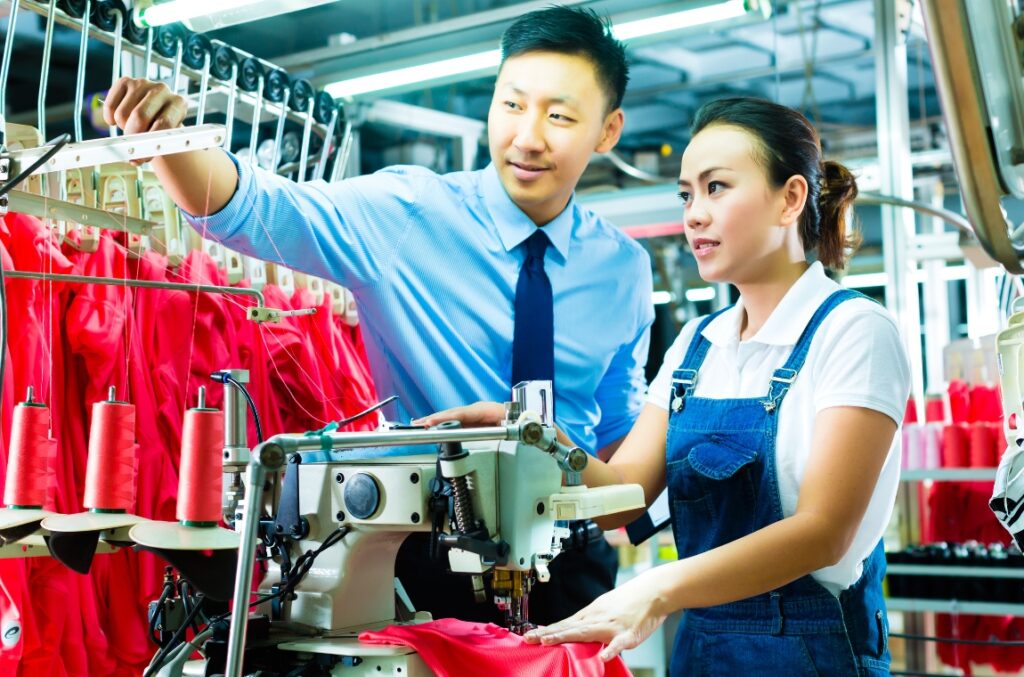
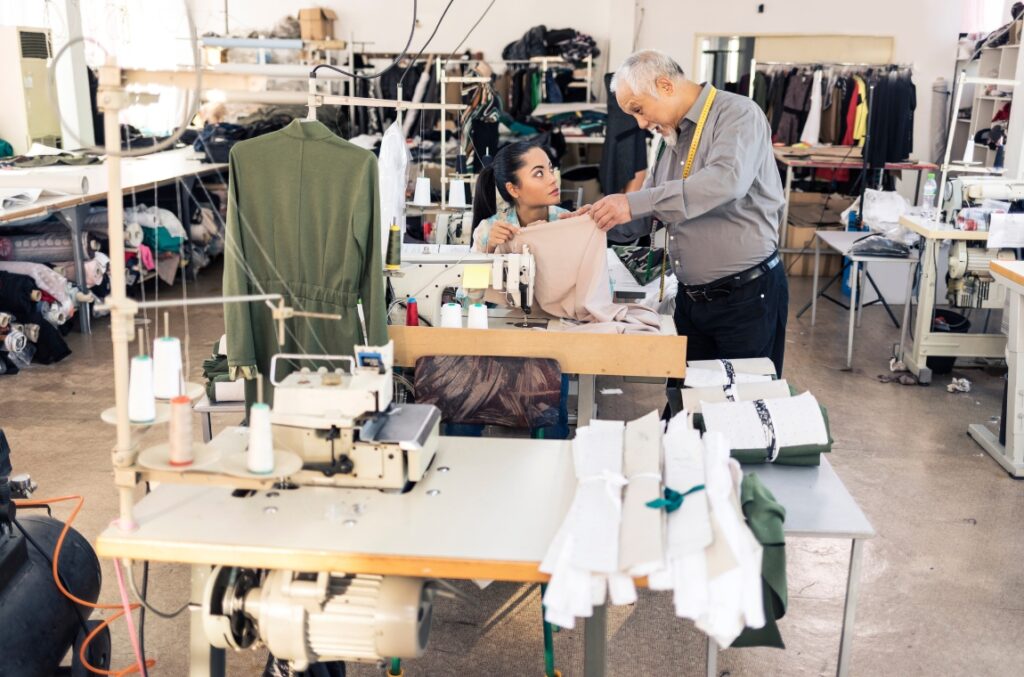
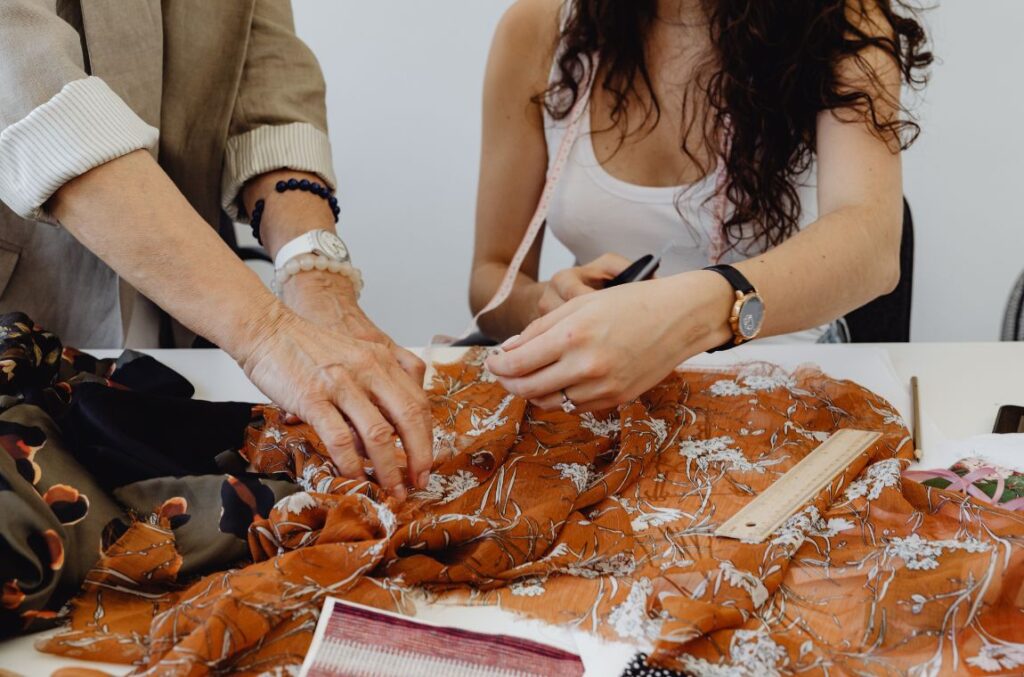
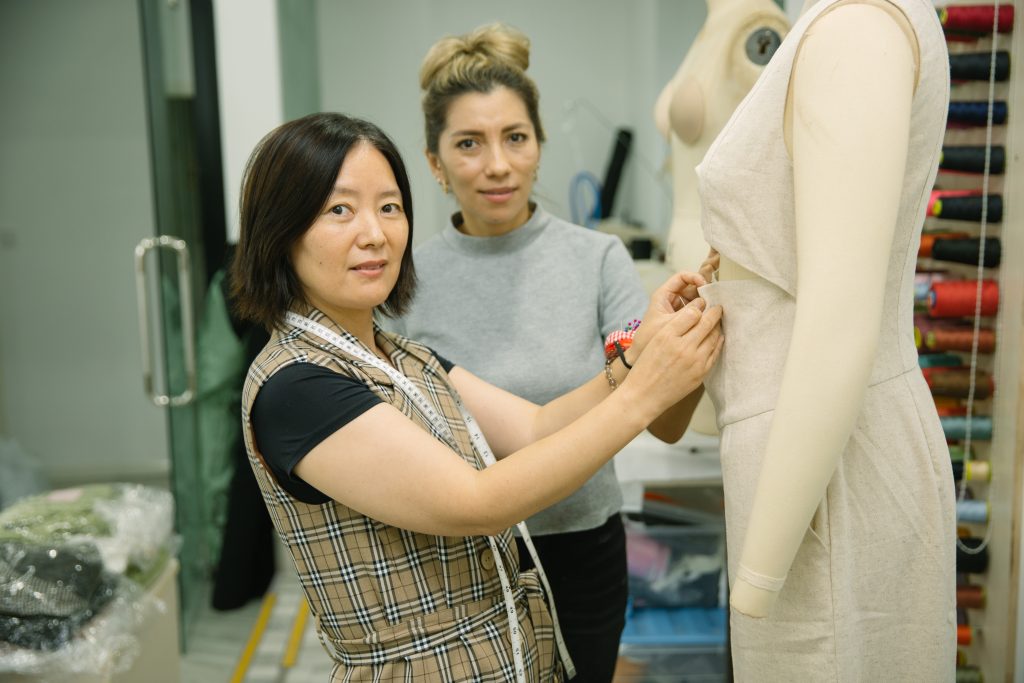
professional designers making clothes from materials in kiara garments factory

Definition of ODM in the garment industry

ODM (Original Design Manufacturer) refers to a model in which the factory designs and produces ready-made garments that retailers can brand as their own. These designs originate from the manufacturer’s research and development (R&D) process. ODM allows brands to enter the market quickly without investing in design or pattern creation.

Factories using this model often provide ready-to-sell designs that retailers can slightly modify to align with their brand. ODM is widely used by businesses seeking to expand product ranges efficiently.

Two major ODM approaches are Private Label and White Label production.

Advantages:

  • Saves time and cost by avoiding design and R&D expenses.
  • Enables faster production cycles and market entry.
  • Ideal for businesses seeking efficient sourcing solutions.

Disadvantages:

  • Limited product uniqueness.
  • Less flexibility in modifying designs or switching suppliers

When ODM fits your product strategy

ODM fits brands that prioritize speed to market and lower development risk over full design ownership. It is ideal for startups or growing brands that lack in-house design teams but want customization based on proven factory designs. ODM enables faster product launches while leveraging the manufacturer’s technical expertise and material sourcing capabilities.

Private label clothing manufacturing

Private Label production involves working with a clothing manufacturer to produce garments that carry the retailer’s own brand name. The factory oversees production, while the retailer focuses on marketing, packaging, and sales. Private Label offers a balance between brand ownership and operational efficiency, functioning as a focused form of the OEM model.

Advantages:

  • Complete authority over branding and quality.
  • Higher profit margins due to direct ownership.
  • Builds long-term customer loyalty through exclusive apparel lines.

Disadvantages:

  • Requires more time for product design and setup.
  • Effective only with bulk order quantities.
  • Increased inventory management responsibility

When a private label fits your product strategy

Private label is suitable when rapid market entry and minimal upfront investment are top priorities. It works well for brands testing new markets, expanding product ranges quickly, or operating in trend-driven segments. Since products are pre-developed, private label allows fast scaling but offers limited differentiation and long-term brand exclusivity.

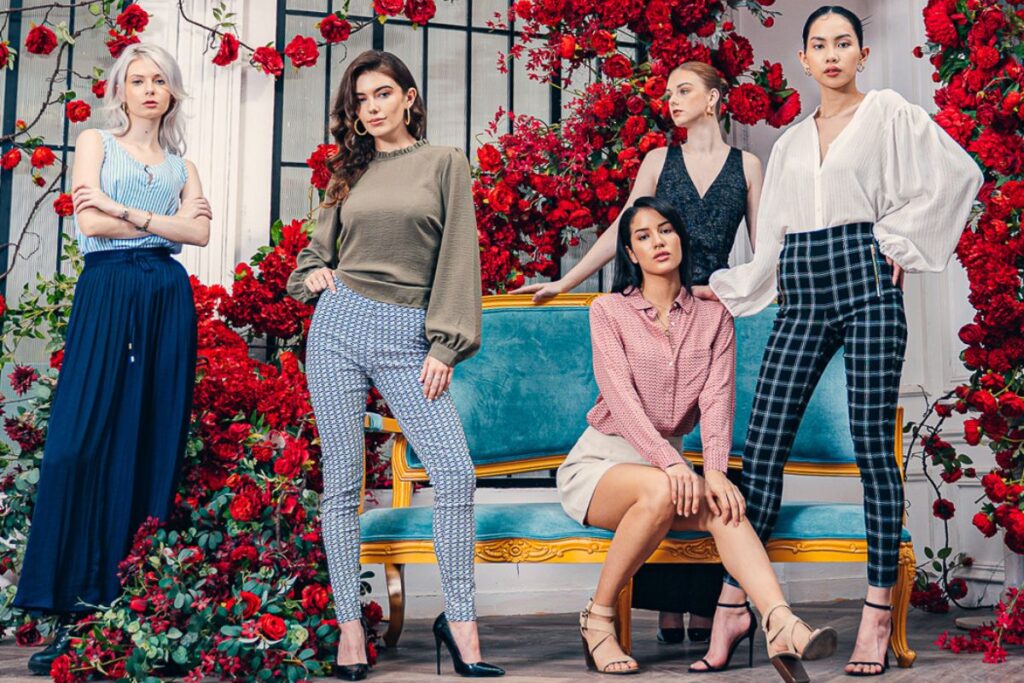
brandy clothes

Quick comparison table of OEM vs ODM vs Private Label 

Pros

Cons

Best for

OEM

Full customization, complete product ownership, strong brand differentiation Higher cost, longer production timeline Established brands seeking unique, high-quality garments

ODM

Cost effective, minimal design work, faster market entry Limited design control, reduced uniqueness Retailers expanding product lines efficiently

Private Label

Strong brand ownership, higher margins, customer loyalty Longer setup period, inventory risk Retailers with established brand identity and customer base

Capital World Group – Your trusted OEM manufacturer

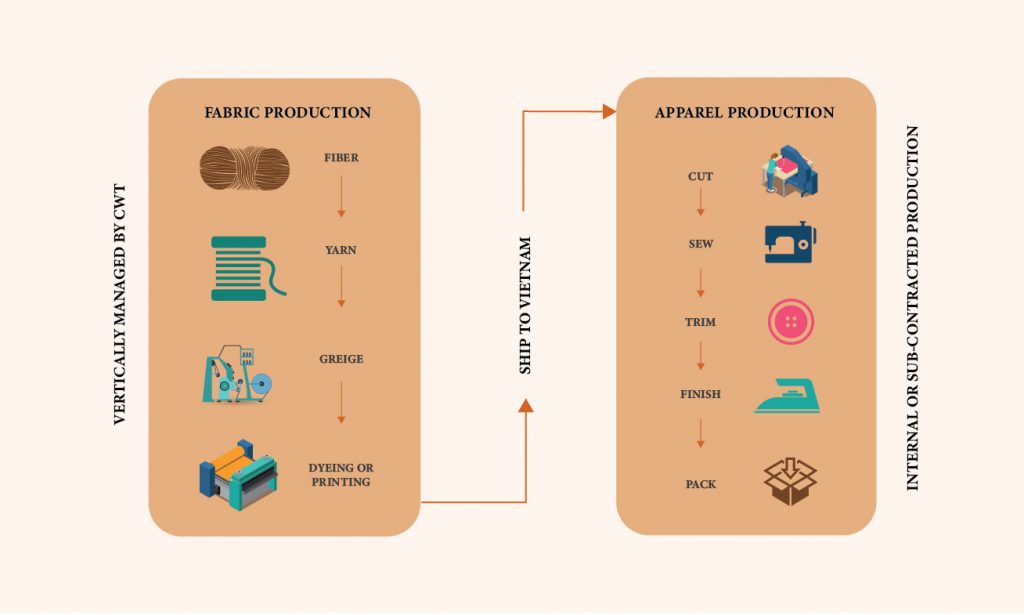
Capital World Group targets brands seeking a Vietnam apparel manufacturer with end‑to‑end supply‑chain control. The company maintains vertical management, rigorous QA and QC systems, and an integrated supply chain to ensure precision and consistency in every garment produced.

For dependable OEM solutions and scalable production solutions, contact us for a consultation with an experienced manufacturing partner.

Read More
free on board

Difference between FOB vs. CM in apparel manufacturing industry

In the apparel manufacturing industry, buyers usually place production orders using two main models: FOB (Free On Board) and CM (Cut and Make). Each system defines who controls materials, costs, and logistics within the garment manufacturing process. Understanding the differences between these two models helps businesses choose the most suitable structure for pricing, quality, and efficiency in global export and import operations.

What is FOB?

FOB (Free On Board) is the most common commercial term used in garment shipping and exporting. Under the FOB system, the manufacturer or supplier manages everything up to the port of loading, including sourcing of fabric, accessories, labor, production, finishing, and local transportation.

The buyer makes payment once the garments are ready for shipment, and responsibility transfers to the buyer when goods are loaded onto the ship or aircraft.

The FOB price breakdown generally includes: Fabric + Accessories + Labor + Overheads + Profit + Local transport. This system allows the buyer to focus on logistics, shipping schedules, and destination import costs after the cargo has left the supplier’s port.

The export process also compliance for regulations from both exporter and importer, check out this Guide to import garment from Vietnam to The US and Canada.

Benefits of FOB

  • Better control of freight and cost: Buyers can negotiate directly with shipping agents to secure the best freight rates and delivery schedules. This often leads to better financial control and optimized logistics.
  • More competitive pricing: Since the supplier manages end-to-end production and the buyer handles international transport, overall pricing becomes more transparent and cost-effective for larger orders.
FOB free on board

Buyers’ responsibilities using FOB terms.

What is the CM order

CM (Cut and Make) is another production model used in the garment manufacturing process. In this arrangement, the buyer provides all raw materials and trims, such as fabrics, accessories, labels, packaging and the manufacturer is responsible only for cutting and sewing.

The CM price component covers labor, overheads, and profit, but not the materials. Because the garment factory only executes the cut and make stages, the buyer maintains full control over sourcing and fabric quality.  This model is preferred by companies that have reliable sourcing networks or want to manage production costs more directly.

Benefits of CM

  • Flexible and cost-saving: Since the buyer supplies materials, this method allows for tighter cost management and flexibility in design and sourcing decisions.
  • Control over material quality: Buyers can select and test all inputs before sending them to the factory, ensuring that the finished garments meet brand and quality expectations.

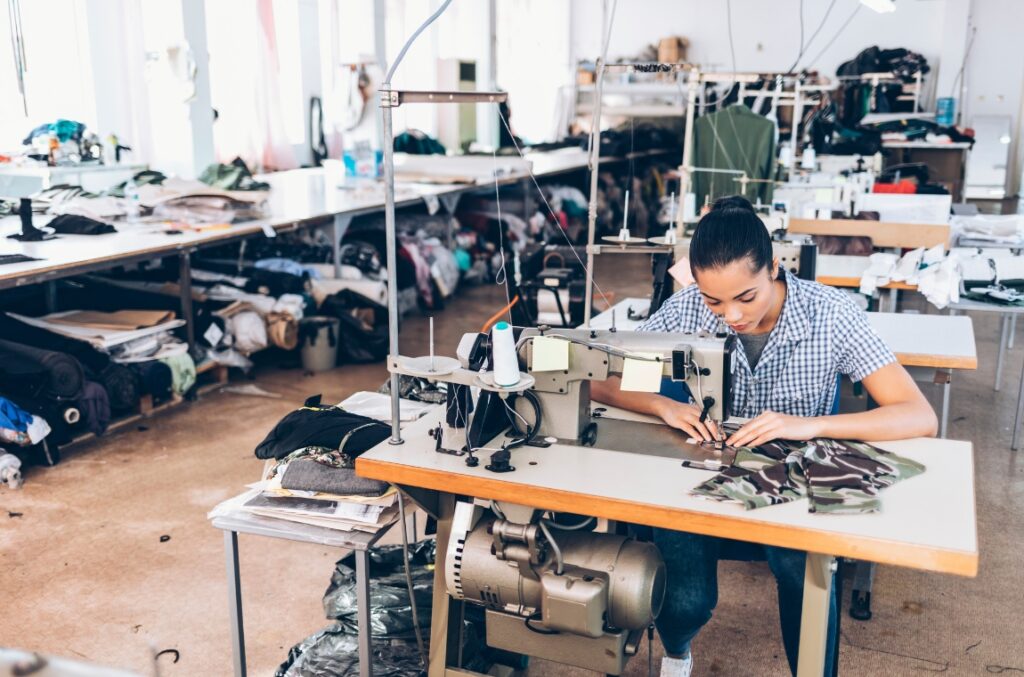
operation at ladies’ wear factory in Vietnam

Quick comparison between FOB and CM

Check this comparison table to have a quick glance at differences between these two terms:

Free-On-Board (FOB)

Cut-Make (CM)

Scope of work

End-to-end process: sourcing, production, finishing, packing, and delivery to the port of loading Limited to cutting, sewing, and trimming; buyer provides materials and patterns

Responsibility for material

Supplier handles all raw materials Buyer provides all materials

Cost control

Higher total cost since the supplier manages all stages Lower cost, but the buyer assumes responsibility for material sourcing

Quality control

Managed by the supplier Fully controlled by the buyer

Best for

Large enterprises managing high-volume bulk orders Small or medium-sized brands with strong sourcing capacity

Choosing your trusted garment manufacturer

When selecting between FOB and CM in apparel manufacturing, the choice depends on your production scale, sourcing ability, and desired level of control. For many brands, Vietnam’s role has switched to be one of the most reliable destinations for apparel sourcing due to its skilled labor, efficient infrastructure, and competitive production costs.

Vietnam garment manufacturers like Capital World Group offer garment manufacturing processes with complete transparency and quality assurance. As a trusted apparel manufacturer providing end-to-end supply chain control, Capital World Group targets brands seeking Vietnam apparel manufacturer with end‑to‑end supply‑chain control

Read More
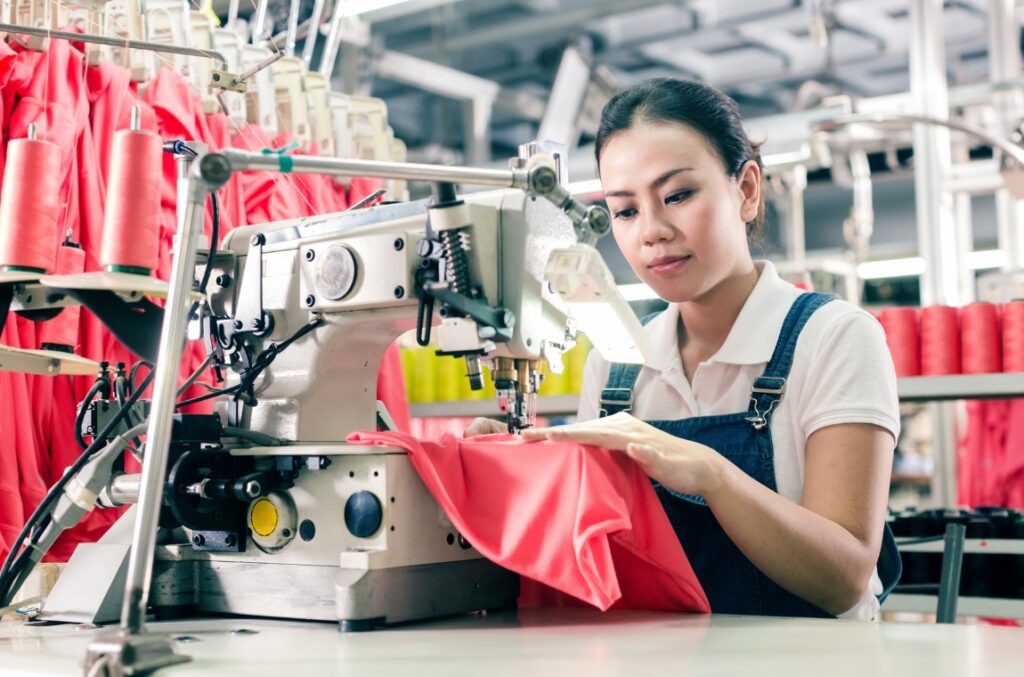
operation at ladies’ wear factory in Vietnam

Different types of sewing lines in the garment industry

In the garment industry, the layout of machines and workstations plays a critical role in optimizing workflow. A well-planned sewing line ensures a smooth material flow, minimizes handling time, and enhances production efficiency. Proper sewing line design allows operators to work efficiently with fewer interruptions, improving productivity, quality, and consistency across the garment manufacturing process.

What is a sewing line?

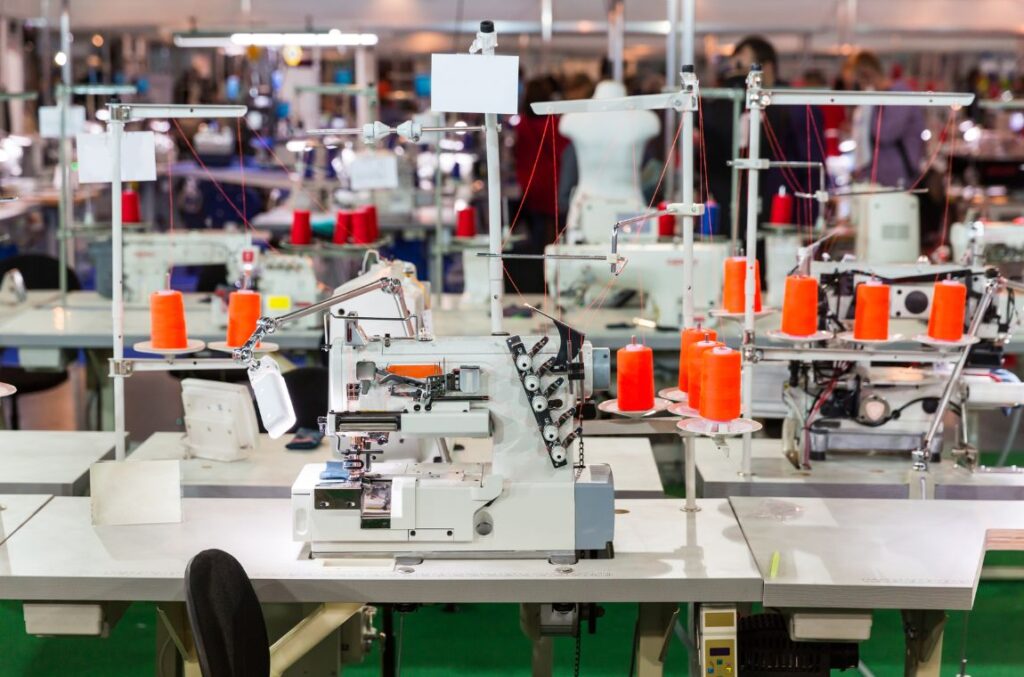
A sewing line refers to the structured arrangement of sewing machines, workstations, tools, and materials in a production area. The purpose of this setup is to create a seamless flow of materials through each operation with minimal backtracking or waiting.

By arranging workstations strategically, factories can streamline the production sequence, balance operator workloads, and increase output. An efficient sewing line reduces lead time, minimizes fabric waste, and strengthens coordination across departments.

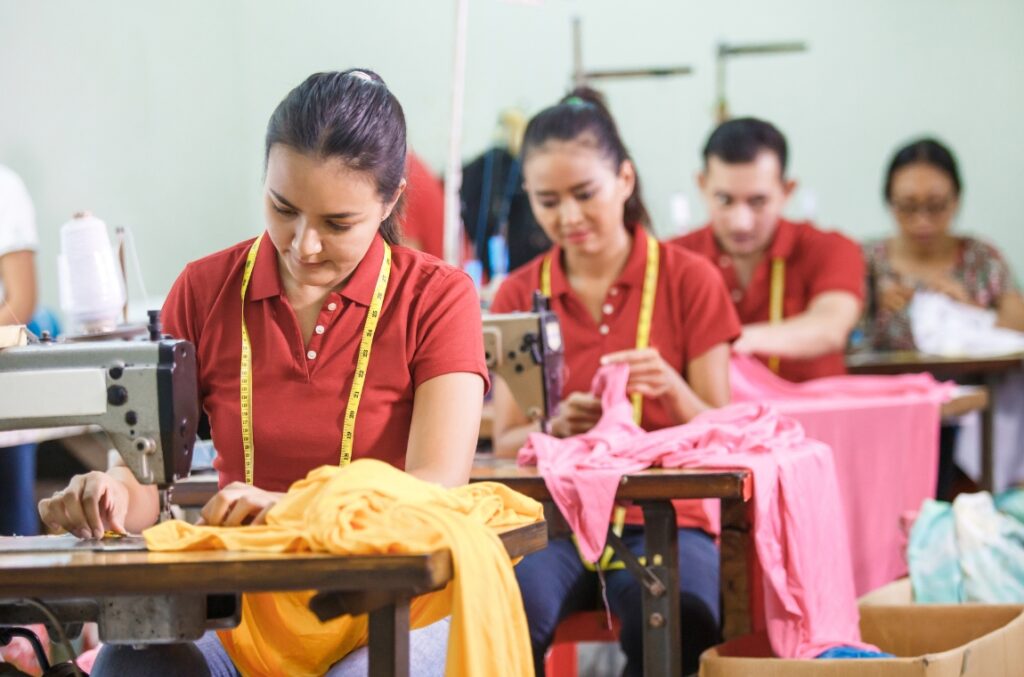
operation at ladies’ wear factory in Vietnam

Types of sewing line layouts

Different sewing line layouts are designed to support specific production needs, factory conditions, and garment types. The following layouts represent the most commonly used sewing line configurations in garment manufacturing.

1. Straight Line Layout

The straight line layout arranges workstations in a single sequential flow, allowing garments to move directly from one operation to the next. It delivers stable output through specialization but offers limited flexibility when styles or volumes change.

Key characteristics

  • Linear workstation arrangement with fixed operation order
  • Specialized operators handling single or limited tasks
  • High work-in-progress (WIP) compared to flexible layouts

Best used for

  • High-volume, repetitive styles
  • Basic garments with standardized operations
  • Long production runs with stable demand

2. U-Shaped Layout

The U-shaped layout positions machines in a U formation, enabling operators to work closer together and handle multiple operations if needed. This structure improves communication and responsiveness, supporting better line balancing and production flexibility.

Key characteristics

  • Shorter walking and material handling distance
  • Easier supervision and faster problem-solving
  • Supports multi-skilled operators

Best used for

  • Small to medium production runs
  • Styles requiring frequent adjustments
  • Lean and efficiency-focused sewing lines

3. S-Shaped Layout

The S-shaped layout follows a curved production path, guiding garments smoothly through extended sewing sequences. It maintains continuous material flow while adapting to factory floor constraints, reducing backtracking and unnecessary movement.

Key characteristics

  • Curved workflow with continuous progression
  • Balanced workload across longer sewing sequences
  • Improved flow without strict linear constraints

Best used for

  • Long or complex operation sequences
  • Factories with irregular or segmented floor layouts
  • Medium to high-volume production

4. L-Shaped Layout

The L-shaped layout arranges machines in two perpendicular rows, allowing production flow to turn efficiently at a right angle. It supports smooth material movement while making effective use of corner spaces and constrained factory areas.

Key characteristics

  • Perpendicular workstation arrangement
  • Reduced congestion at operation handoff points
  • Efficient utilization of narrow or corner spaces

Best used for

  • Production floors with columns or physical restrictions
  • Medium-volume garment production
  • Lines requiring clear operation segmentation

4. Cellular Layout

The cellular layout divides sewing operations into small, self-contained units where teams focus on specific garment components or subassemblies. This structure enhances quality ownership and reduces internal transportation but requires skilled and well-coordinated operators.

Key characteristics

  • Dedicated teams within each production cell
  • Minimal material movement between operations
  • Strong accountability for quality and output

Best used for

  • Complex garments with multiple subassemblies
  • Quality-sensitive styles
  • Flexible production environments with skilled labor

5. Crossover Layout

The crossover layout uses intersecting production paths that allow operators and materials to cross efficiently without disrupting workflow. It maximizes floor utilization in dense production areas but requires disciplined process control to avoid congestion.

Key characteristics

  • Intersecting material and operator movement paths
  • High operator density within limited space
  • Flexible routing between operations

Best used for

  • Compact factory floors
  • High-capacity sewing areas
  • Facilities prioritizing space efficiency

6. Modular Layout

The modular layout groups machines so small teams of operators can collaboratively complete multiple operations. It supports lean manufacturing by reducing idle time and enabling rapid style changes, making it ideal for fast-response and fashion-driven production.

Key characteristics

  • Multi-skilled operators working in teams
  • Short material travel distances
  • High adaptability to style changes

Best used for

  • Short production runs and small MOQs
  • Multiple styles running in parallel
  • Fashion and quick-turn apparel production

Sewing line checklist for garment factories

Each sewing line has its own use and suitable for different purposes, products and designs. Check the following list to determine on the best layout for your factories:

Sewing lines

When to use

Straight line    For one style with large quantities; fastest for long, steady runs.
U-Shaped line    For a few styles; promotes easy communication and quick problem-solving.
S-Shaped line    For long production sequences; prevents congestion and blockages.
L-Shaped line    For floors with columns or obstacles; fits tight spaces while maintaining flow
Cellular line    For complex garments with many components; teams handle sections before joining.
Modular line    For frequent style changes and short runs; supports one-piece flow.

By utilizing a vertically integrated production model, Capital World Group consolidates key garment manufacturing stages – from pattern making and cutting to sewing line layout, finishing, and quality assurance – into a single, cohesive system. This comprehensive system ensures that the overall production flow is tightly controlled and highly adaptable, which in turn allows each sewing line to be independently optimized for maximum speed, accuracy, and cost efficiency.

Manufacturing Kiara Garments

This vertical management structure supports real-time coordination between departments, reduces production delays, and ensures each seam and stitch meets international standards.. Explore our vertical management model to learn how Capital World Group delivers a fully controlled supply chain that enhances flexibility and minimizes production costs.

Read More
dresses model by capital world group

Women dress manufacturer | Capital World Group

In a market where speed, quality, and sustainability define success, choosing the right dress manufacturer in Vietnam is a strategic decision for fashion brands. Capital World Group has a history of womenswear labels since 2005 with a vertically integrated supply chain that optimizes cost, efficiency, and control from design to delivery.

Why partner with Capital World Group as your dress manufacturer?

Skilled craftsmanship

With more than 40 years of working with fabrics, Capital World Group’s technical teams possess comprehensive knowledge of diverse fabric types, from structured wovens to fluid knits. This expertise allows each project to deliver efficient, precise tailoring that meets aesthetic and functional goals.

professional designers making clothes from materials in kiara garments factory

Combining experienced craftsmanship with modern machinery, the company produces consistent products quality that reflect both innovation and traditional garment-making discipline.

Sustainability

Sustainability is the compass guiding every garment produced under Capital World Group’s name. Each operation aligns with recognized global standards, including ISO 9001, Higg FEM, amfori BSCI and SLCP certifications.
The company’s approach integrates environmental stewardship with social responsibility, ensuring long-term value for clients and communities alike.

End-to-end supply chain

Through vertical integration, Capital World Group manages every process – from fabric and trim sourcing to pattern development, sampling, bulk production, quality assurance and export. This structure enables rapid 10-day sample turnaround, 500 samples per week and efficient logistics through Hai Phong Port (HPH) or Hanoi Airport (HAN).

The result: lower costs, shorter lead times and reliable quality control.

Why do dresses work for fashion brands?

Versatile in style 

Dresses offer instant elegance without complex mix-and-match styling. They provide a complete, time-saving look, ideal for consumers who want refined simplicity with minimal effort – helping brands meet demand for modern, effortless fashion.

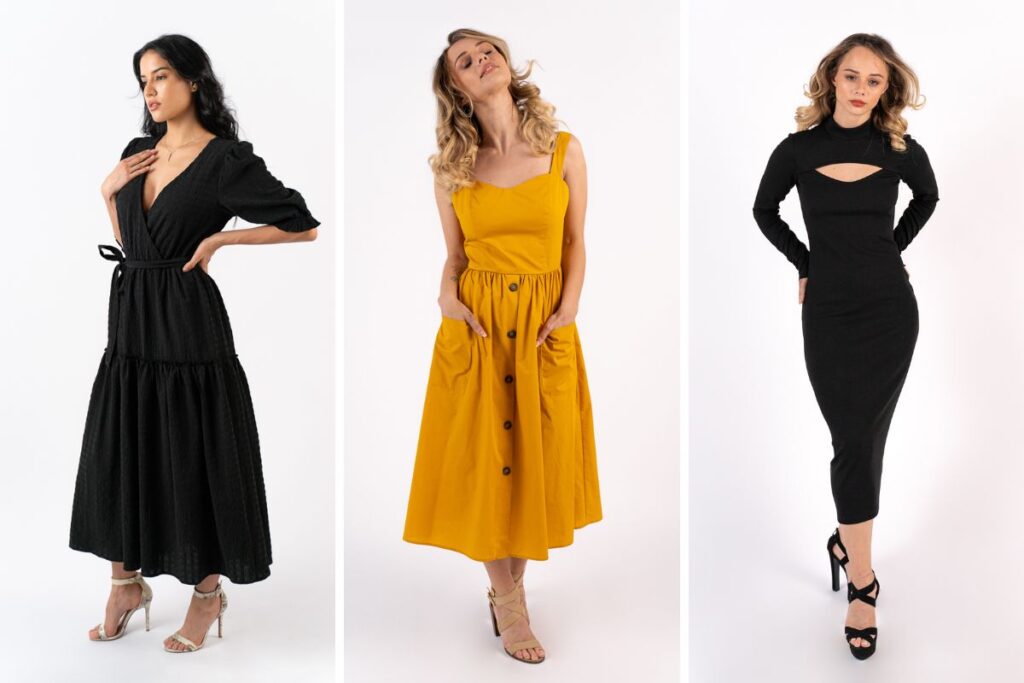
dresses by capital world group

Offer everyday comfort

Well-made dresses offer freedom of movement and comfort across settings, from work to leisure. They create a professional yet relaxed appearance without requiring formal wear, appealing to women seeking both practicality and polish.

Not only dresses, Capital World Group also specializes in women’s skirts manufacturing, giving versatile choices for women to elevate their beauty.

Seasonless appeal

Dresses have been worn by women for centuries, maintaining their timeless relevance across climates and cultures.

They adapt easily through the seasons: boots and coats in winter, sandals and hats in spring, making them suitable for everyday wear, the office, and special occasions alike.

Kiara Garments of Capital World Group – Professional dress manufacturer

As a trusted partner, Capital World Group serves global apparel brands seeking a Vietnam garment manufacturer with full supply-chain control and a proven commitment to responsible, end-to-end production.

Kiara Garments, part of Capital World Group’s vertically integrated network, specializes in women’s clothing manufacturing in Vietnam, including dresses, tops, skirts, pants and jumpsuits.

aerial view of kiara garments manufacturing factory capital world group

With a focus on precision, ethical manufacturing, and production efficiency, the facility ensures every collection meets global standards for quality and sustainability. Supported by advanced systems and a rigorous QA process, Kiara Garments provides dependable results for international fashion brands.

Read More
fabrics needed to make jumpsuit

How much fabric is needed to make a jumpsuit?

A jumpsuit joins the top and bottom into one clean piece – a design that works just as well for office wear as it does for a relaxed evening out. The amount of fabric required depends on both size and cut, generally ranging from 2.7 to 3.6 meters. This explains why manufacturers and designers need to know the fabrics needed to make a jumpsuit so they can plan better yields and reduce waste in production.

Factors affecting fabric measurement

Fabric requirements for a jumpsuit change with key details such as print alignment and material type. Each decision in the garment manufacturing process affects yield and overall cost per piece.

Size & body measurement

Different body sizes affect the amount of fabric required for a jumpsuit. Women’s sizes vary widely, ranging from XS to XL and beyond, including plus sizes. Each needs its own adjustment to maintain the correct shape and drape.

Height matters too: petite, regular, and tall cuts all affect the amount of fabric used. Longer patterns naturally require more material to maintain balanced and comfortable proportions. Read this table for a more detailed information:

Size range

Approximate fabric required (meters)

Details

XS – S

2.7 – 3.0

Standard or sleeveless cuts

M – L

3.1 – 3.4

Includes long torso or wide-leg options.

XL – Plus

3.5 – 3.8

Extra width and length adjustments

Style & design features

Design greatly impacts the amount of fabric required for a jumpsuit. A romper or sleeveless style can be cut with less material, but tailored or wide-leg designs require extra material to maintain their shape and flow.

jumpsuit models

On the contrary, utility jumpsuits with pockets or belts add complexity and yardage, while decorative details such as ruffles, collars, or full linings further increase consumption.

These variations also influence MOQ (minimum order quantity), as intricate designs may slow production and demand higher per-unit fabric usage. Below is a table of the design types and their impacts on fabric amounts:

Design type

Design impact

Romper / Short Playsuit Minimal yardage, compact fit.
Tailored / Formal Jumpsuit Structured bodice, full-length legs
Wide-leg / Long-sleeve More drape and sleeve allowance
Utility / Belted Added features and pocket panels.

Pattern and type

Fabric type and pattern direction significantly influence consumption. Stretch fabrics offer better yield since they contour the body with less material, while woven fabrics need more to allow for seam comfort and shaping.

Other options, such as printed or directional fabrics ( e.g., stripes or florals), require precise alignment, which increases waste and total yardage. Sustainable sourcing teams often optimize fabric layouts to minimize offcuts and improve overall yield.

Learn more about Finishing details in women clothing to decide on the best seams for your jumpsuit order.

Estimate fabrics by width

Fabric width is one of the practical factors in fabric estimation. Most commercial textiles are available in widths of 110 cm (43 in) or 150 cm (60 in). A basic adult jumpsuit made from 150 cm-wide fabric typically requires 2.5 to 3 meters (8.2–9.8 feet) or 2.7 to 3.3 yards. When using 110 cm fabric, consumption can rise to 3 to 4 metres (3.3-4.4 yards), especially for wide-leg or long-sleeve designs.

Narrower widths create more seams and offcuts, which increases waste and production time. Selecting the right width early helps designers balance cost effectively. This cuts efficiency and sustainable fabric use across different size ranges and pattern layouts.

The importance of accurate fabric measurement

In garment manufacturing, knowing the fabrics needed to make a jumpsuit is the first step toward accurate measurement and efficient planning.

Proper estimation maintains predictable budgets and fosters long-term buyer confidence. It also helps factories reduce lead time by maintaining a smooth flow from sourcing to cutting.

Precise yardage records now support sustainability audits under ESG and EU textile regulations. These records show control over resources and ensure alignment with responsible production goals. Capital World Group – a professional women’s jumpsuit manufacturer in Vietnam, through its vertical management model and skilled planning team, offers precision in fabric allocation that reduces costs and enhances supply-chain flexibility.

What measurements matter for a jumpsuit?

Accurate body measurements guide efficient fabric production and reduce waste in women’s set manufacturing.

body measurement chart

Source: stock.adobe.com

Each dimension affects both fit and fabric yield:

  • Bust: This sets the foundation for how the jumpsuit fits through the upper body. When the bust is off, you’ll see issues across all sizes, with more fabric wasted and extra samples needed to correct it.
  • Waist: A precise waist keeps tailored fits sharp and relaxed styles comfortable, without needing extra adjustments or elastic fixes.
  • Hips: They control how the jumpsuit falls and moves. Too much allowance here means there is extra fabric, while too little means the movement is somewhat restricted.
  • Inside leg: Consider this as the balance point between petite and tall sizing. A small error in inseam length can mean a full round of recuts or wasted fabric.
  • Garment length: Confirming the right length early saves both material and time on the production floor.

Check this 20 fit-point checklist before bulk ordering to save time and resources for your jumpsuit production.

Getting the measurements right helps turn fabric planning into efficient production. When bust, waist, hip, and length details are accurate, fabric use stays consistent. This same precision guides Capital World Group across its women’s set manufacturing programs, helping protect cost and maintain quality for global apparel brands.

Read More
woman jumpsuit capital world group

Women jumpsuit manufacturer in Vietnam by Capital World Group

A jumpsuit is a one-piece outfit that seamlessly combines the top and bottom in one fluid silhouette. Loved for its comfort, style, and versatility, the women’s jumpsuit has become a wardrobe essential that suits both casual and formal occasions. Through our vertically integrated production system, Capital World Group ensures complete control over every stage from design and sourcing to manufacturing and export, providing reliable solutions for global brands seeking trusted women’s jumpsuit manufacturers in Vietnam.

Jumpsuit manufacturing process at Capital World Group

At Capital World Group, we offer a garment manufacturing process of an end-to-end manufacturing solution tailored for global fashion brands.

Design

Every great jumpsuit begins with a great concept, we bring our customers designs, sketches, and ideas alive based on each of their specific requirements.

clothes designing using technology on laptop

We offer a range of fabric samples for clients to select from, working with skilled technicians to develop premium fabrics that meet top industry standards. We stay ahead of market shifts and seasonal trends, ensuring that every collection feels modern, refined, and ready for global markets.

Production

Our women’s set manufacturing process combines precision, craftsmanship and advanced technology to ensure consistent results at scale:

  • Cutting & marking: After deciding how much fabrics to use for a jumpsuit, patterns are precisely cut to guarantee accurate fits by using a fit point approval checklist to minimize material waste.
  • Sewing: Experienced operators assemble each piece with meticulous attention to detail.
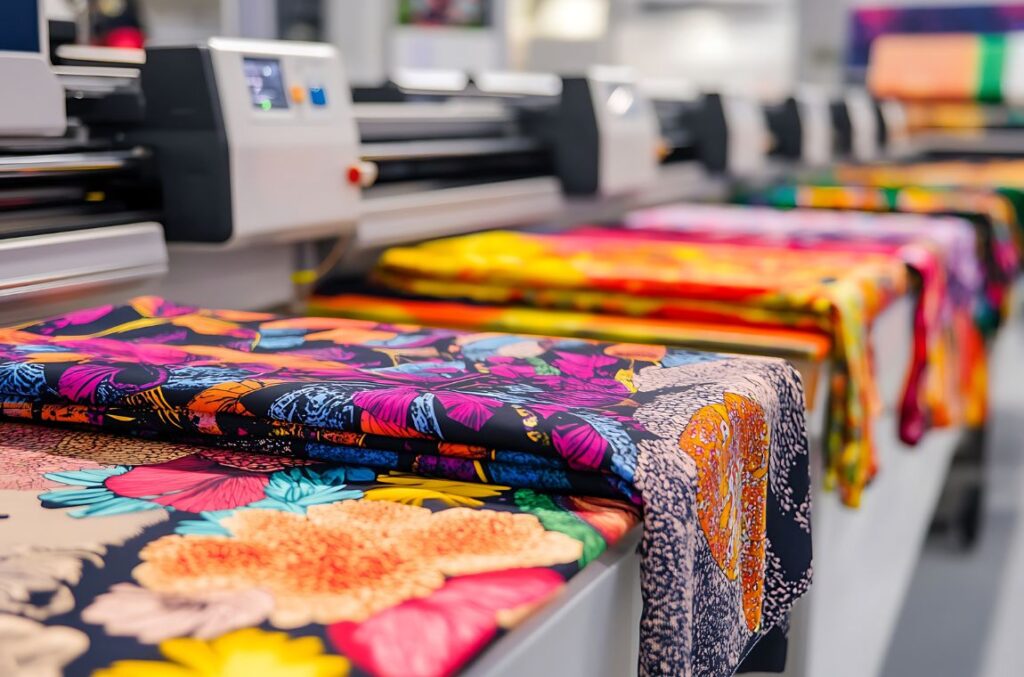
  • Embellishment & printing: Optional surface treatments and logo applications are executed with precision.
  • Pressing: Every garment is pressed to perfection for structure and lasting finish.

Each jumpsuit is designed to flatter every body shape, highlighting natural curves while maintaining a comfortable and confident fit.

Quality check

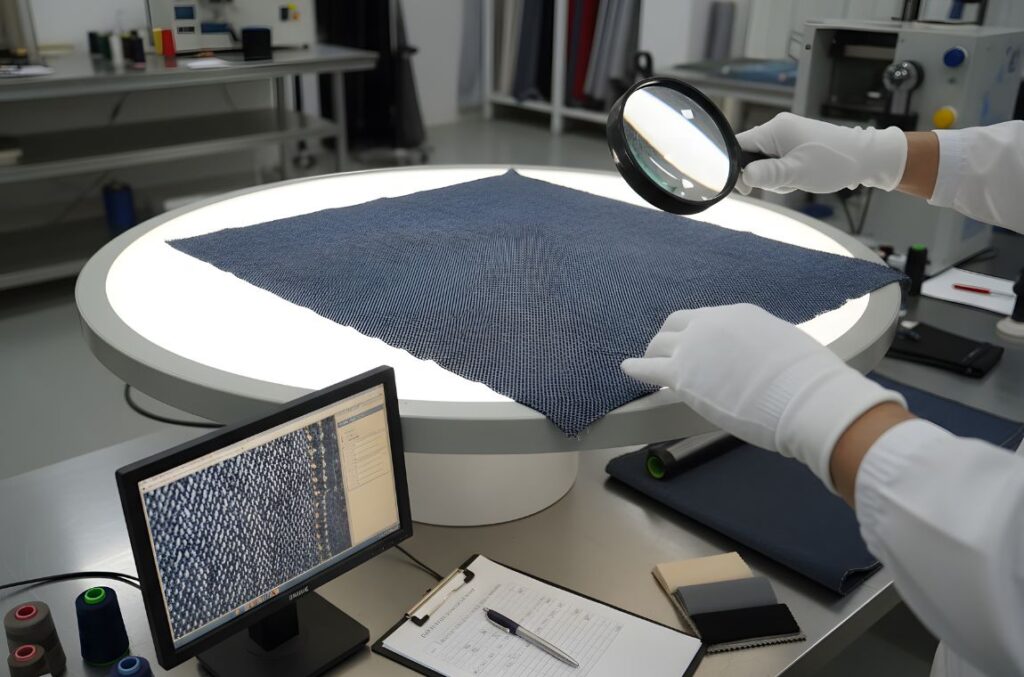
Capital World Group’s vertically integrated management model ensures strict quality control at every stage of production. Our team follows detailed QC procedures from fabric testing and measurement checks to final packaging to guarantee uniformity and reliability in every batch. This systematic process reflects Capital World Group’s ongoing commitment to quality, professionalism, and customer satisfaction.

woman checking quality of finished clothes

Logistics

Once approved, each product moves through our logistics division, where precision continues to drive performance. We handle packing and shipping, with consolidation available for Hai Phong Port (HPH) or Hanoi Airport (HAN).

Export documentation and Incoterms (FOB, CIF, DDP) are managed seamlessly, ensuring smooth and timely deliveries. Capital World Group’s logistics solutions help brands optimize cost and reduce lead time while maintaining full visibility across the supply chain.

Capital World Group – Your trusted jumpsuit manufacturer in Vietnam

Capital World Group is proud to be a trusted vertically integrated jumpsuit manufacturer serving global brands. Our full OEM services streamline production, reduce cost and accelerate time-to-market, allowing clients to focus on design and branding while we handle every stage of production.

Capital World Group specialises in ladies’ clothing manufacturing, producing competitive, high-quality women’s wear that meets global expectations for consistency and craftsmanship. Our factory Kiara Garments has been expanding production capacity while maintaining the highest standards in ethical manufacturing and customer service.

Read More
blazer by capital world group

Blazer manufacturer in Vietnam | Capital World Group

Capital World Group is a leading women’s clothing manufacturer in Vietnam, recognized for precision craftsmanship and trend-driven design. Our women’s blazers are produced by a skilled workforce dedicated to quality and innovation. Each piece blends elegant tailoring with comfort and durability, offering versatility for both professional and lifestyle collections. Capital World Group continually evolves with global fashion trends, ensuring every blazer reflects timeless style and modern appeal.

Premium garment manufacturer in Vietnam

As a premium garment manufacturer, Capital World Group offers an extensive range of fabrics and accessories directly at our factory to meet each client’s unique design vision.

Whether working with natural fibers or innovative blends, our materials ensure the perfect balance of style, comfort, and durability. Every fabric undergoes strict quality evaluation to guarantee superior results across all categories of women’s wear.

Sustainable certifications

Sustainability has become a defining direction in the fashion industry as consumers pay more attention to environmental responsibility. At Capital World Group, sustainability is the compass guiding every garment we produce.

Our processes focus on ethical sourcing, waste reduction, and energy efficiency. We are certified under ISO 9001, Higg FEM, amfori BSCI and SLCP, confirming our dedication to sustainable, transparent, and responsible manufacturing.

Precise OEM/ODM procedures

Each blazer product from Capital World Group is tailored to customer specifications through a precise OEM/ODM process that ensures accuracy and efficiency.blazer by capital world group garment manufacturer

Our in-house sample rooms can deliver prototypes in as little as 10 days, with capacity for ≈500 samples per week, helping clients refine collections quickly. With a standard lead time of around 90 days, we provide high-quality products while reducing production and delivery time.

Learn more about The differences between OEM vs. ODM vs. Private Label for your garment production.

Kiara Garments of Capital World Group – Professional blazer manufacturer

Capital World Group specialises in being a ladies’ clothing manufacturer producing competitive, quality women’s blazer.

As part of Capital World Group, Kiara Garments stands out as a professional women’s top manufacturer in Vietnam, combining skilled craftsmanship, modern equipment and ethical production. Our vertically integrated model gives us complete control over design, sampling, production and export ensuring speed, efficiency, and consistent quality.

Read More
skirt for women capital world group

Women skirts manufacturer | Capital World Group

At Capital World Group, we take pride in being a trusted vertically-integrated ladieswear manufacturer, delivering women’s skirts that combine style, comfort, and durability. Every design is made to flatter, inspire confidence, and reflect refined craftsmanship. From concept to final production, we ensure excellence, consistency and attention to detail, qualities that make us a preferred partner for global fashion brands.

Women’s skirts by Capital World Group

Premium fabric materials

Our expertise begins with materials. Capital World Group focuses on selecting and developing premium fabrics perfectly suited for ladies’ fashion apparel.

Whether you require soft flowing viscose, structured cotton, or blended textiles with elasticity and sheen, our in-house team ensures every fabric aligns with your design brief, timeline, and cost objectives.

From apparel to home textiles, our vertically-integrated facility guarantees material consistency and dependable supply, supporting every creative vision with quality at its core.

Provide consistent quality standard

At the heart of our philosophy lies one simple value: the Customer comes First. Our commitment to consistent quality is reflected in every skirt we produce.  We specialize in both knits and wovens across a wide range of compositions and blends, maintaining the same refined craftsmanship that defines Capital World Group.

Each silhouette is carefully constructed to highlight the wearer’s natural curves, offering a flattering fit for all body types while upholding comfort and durability. Precision cutting, stitching accuracy and thorough quality control ensure each skirt meets international manufacturing standards.

Catch up with the latest clothing trends

Fashion evolves rapidly and so do we. The driving force behind our success as one of the leading women clothing manufacturers in Vietnam is our comprehensive understanding of market trends and consumer expectations. Our design and production teams stay in sync with global movements, ensuring each skirt reflects the latest styles and seasonal demands.

woman skirt model capital world group

From various waistline designs to contemporary lengths, unique textures and custom prints, we help brands stay relevant in an ever-changing marketplace. The result is a collection that feels both modern and timeless.

Not only skirts, Capital World Group also specializes in manufacturing women’s dresses, giving more choices for ladies to elevate their beauty.

6 common types of skirts produced

1. A-line Skirt

The A-line skirt features a fitted waist and gradually flares toward the hem, forming a classic “A” shape. This universally flattering style suits many body types and works well for casual, office, and semi-formal collections. It is commonly produced in woven fabrics such as cotton, denim, and polyester blends.

2. Asymmetric Skirt

An asymmetric skirt is defined by uneven hems, angled cuts, or layered details that create a modern and eye-catching silhouette. This style is popular in fashion-forward collections and contemporary designs. Manufacturing asymmetric skirts requires precise pattern making to ensure balance, consistency, and accurate proportions across different sizes.

3. Pencil Skirt

The pencil skirt is a slim, straight-cut style that closely follows the body’s natural shape, usually ending around the knee. It is widely used in professional and formal wear collections. Pencil skirts are typically made with structured or stretch fabrics to ensure comfort, clean lines, and ease of movement.

4. Pleated Skirt

Pleated skirts are characterized by evenly folded pleats that add texture, volume, and movement to the garment. They can range from classic to trendy designs depending on fabric and pleat width. Proper fabric selection and heat-setting techniques are essential to maintain pleat shape during wear and washing.

5. Maxi Skirt

The maxi skirt is a full-length style that extends to the ankles or floor, offering a relaxed and elegant appearance. It is commonly featured in casual, resort, and bohemian collections. Lightweight and flowing fabrics are often used to enhance comfort, drape, and visual appeal throughout the garment.

6. Midi Skirt

The midi skirt falls between the knee and ankle, creating a balanced and versatile silhouette. This style suits both casual and formal fashion lines and appeals to a wide customer base. Accurate length control and grading are important to ensure a polished look across all sizes.

Benefits of women’s skirts

Versatile

Women’s skirts remain one of the most versatile garments in fashion. From business meetings to relaxed holidays, formal events, or daily wear, skirts suit every occasion. We produce a wide variety of styles, such as long, short, A-line, asymmetrical, pleated, midi, or maxi to meet different consumer preferences.

Their adaptability allows easy coordination with other wardrobe items, helping women achieve an elegant and feminine appearance effortlessly.

Comfort

Comfort defines wearability. When using lightweight, breathable fabrics such as rayon, our skirts ensure freshness and ease throughout the day. Designed to prevent heat discomfort during warmer seasons, these skirts deliver a pleasant wearing experience without compromising on aesthetics.

Every pattern and cut is developed to offer a perfect combination of mobility, softness and flow, ideal for women who value comfort as much as design.

Stylish

A skirt is timeless. While materials and finishing techniques of a skirt are more complex than manufacturing women’s tops, the fundamental appeal of a well-crafted skirt endures through decades of design evolution.

It provides an elegant yet relaxed look, balancing structure with comfort. For many, finding a well-fitted skirt is simpler than sourcing tailored trousers, making it a wardrobe essential across generations.

Kiara Garments factory of Capital World Group – Professional women skirts manufacturer

Capital World Group specialises in ladies’ clothing manufacturing, producing competitive, high-quality women’s wear for brands worldwide. As part of Capital World Group, Kiara Garments factory represents our commitment to excellence in women’s skirt manufacturing.

aerial view of kiara garments manufacturing factory capital world group

With advanced machinery, skilled technicians, and strict quality management, Kiara Garments ensures that every apparel product aligns with global fashion standards while maintaining competitive pricing and sustainable practices. Contact us for OEM solutions to elevate your collection with reliable women’s skirts and women’s set manufacturer.

Read More
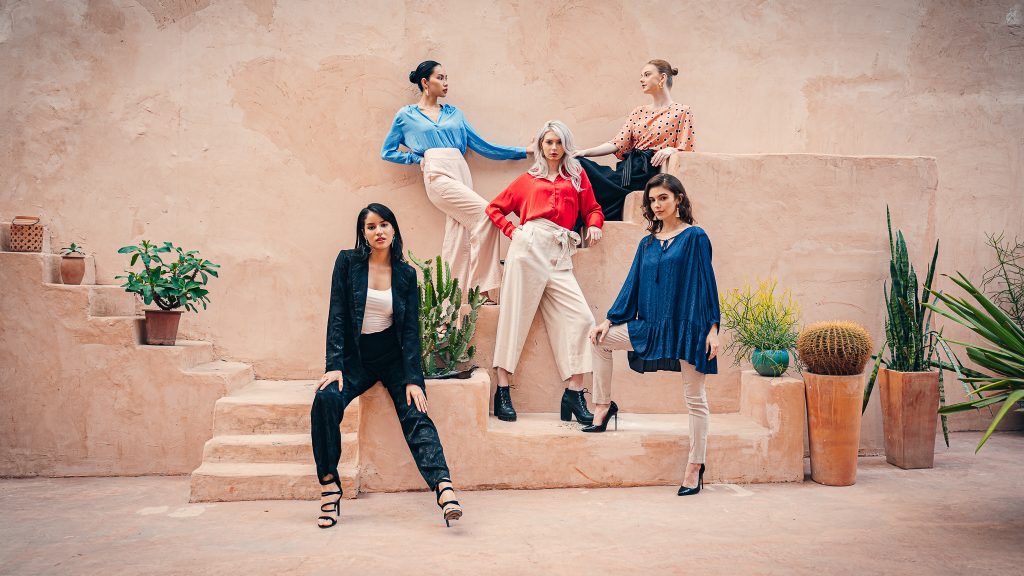
women top models

Women’s tops manufacturer in Vietnam: Capital World Group

Capital World Group (CWG) has been building its reputation in women’s wear manufacturing in Vietnam on consistency and craftsmanship. As a family-led women’s garment manufacturer, CWG develops everything from blouses to refined formal pieces and dresses, giving retailers access to a complete range of styles.

Headquartered in Hanoi with a state-of-the-art factory in Ninh Binh, Capital World Group leverages Vietnam’s booming garment industry (with textile exports of about $44 billion in 2024) to deliver competitive, high-quality women’s wear.

High-quality materials

Capital World Group has always taken a fabric-first approach, focusing on both sourcing and development. Since the late 1980s, CWG has supplied premium fabrics and today works to deliver everything from basic cottons to high-tech jerseys and jacquards. This expertise allows us to create women’s top collections and trendy clothes that balance style, comfort, and durability.

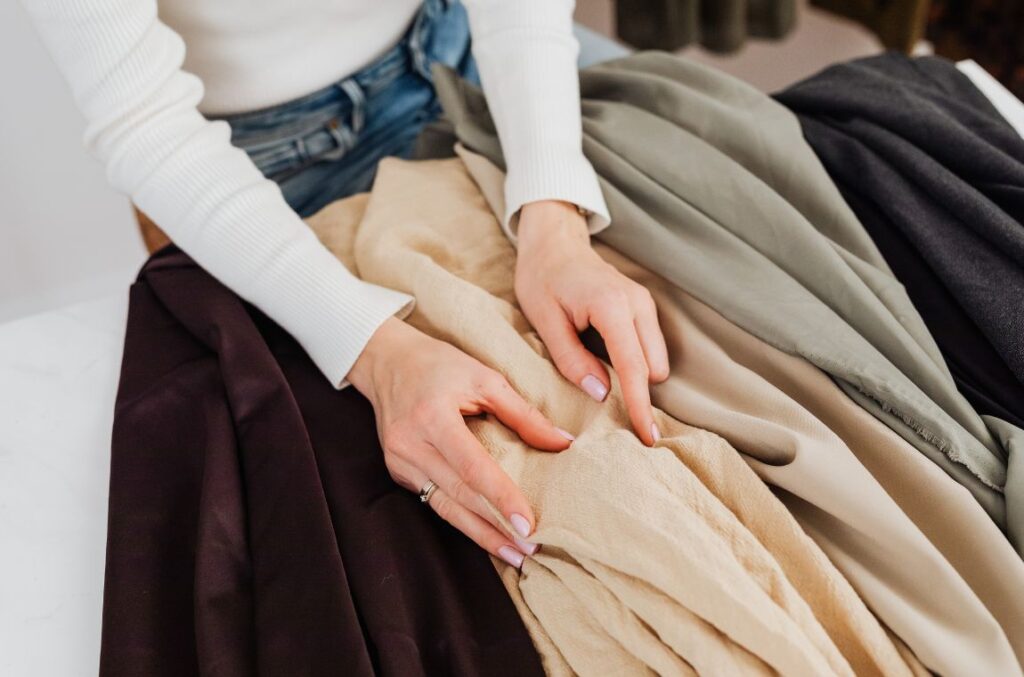
premium fabric display capital world group

Sustainability is central to our manufacturing business model. Our facilities are ISO 9001 certified and aligned with Higg FEM, amfori BSCI, and SLCP standards. We also source RCS-certified recycled textiles, FSC-certified viscose, and BCI cotton. With these practices, CWG produces stylish and responsibly made garments.

Precise tailoring

With more than 40 years of heritage, Capital World Group has grown into a trusted women’s clothing manufacturer in Vietnam with expertise rooted in experience. That long history remains our pillar of strength, shaping the know-how we bring to every project. At our Vietnam facilities, skilled craftsmanship drives production of both woven and knit garments, ensuring a consistent quality standard.

As a dedicated women’s tops manufacturer, we focus on creating pieces that fit well across different body types. Each cut, seam, and finish is designed to highlight natural curves while providing everyday comfort and reliable consistency in every order.

Keep up with the trends

Fashion moves quickly, and brands need partners who can keep pace. Capital World Group works directly with clients to turn sketches into ready-to-produce samples. Each woman’s top is developed with current styles and buyer preferences in mind, helping retailers bring collections to market that feel timely and competitive.

Design is another key aspect at the heart of our work. From unique necklines and statement sleeves to intricate embroidery and carefully placed prints, every detail is chosen to capture the eye of fashion-conscious shoppers.

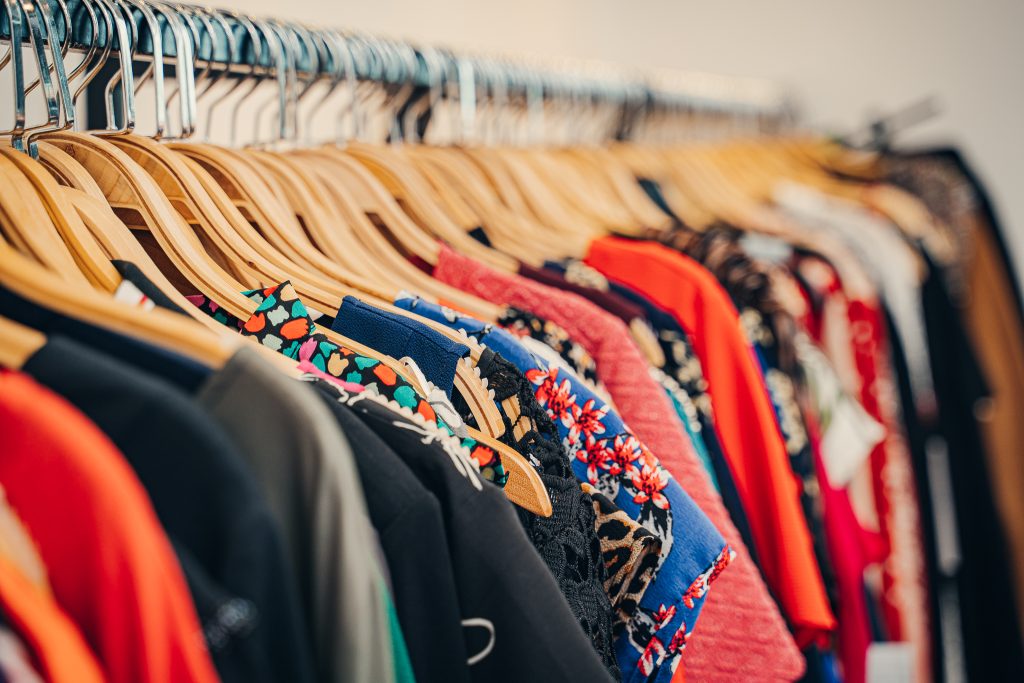
women clothes designs 1

The result is a wide variety of trendy clothes suited to different occasions. Retailers can choose from:

  • Casual camisoles
  • Stylish blouses with lace or ruffles for social wear
  • Elegant button-downs or tunics for office and evening settings.

Each piece balances modern design with practical wearability.

Strong compliance and sustainability standards

Capital World Group complies with multiple international standards for quality, environmental management, and social responsibility, including ISO 9001, Higg FEM, amfori BSCI, and SLCP. This compliance gives global fashion brands confidence when selecting a women’s tops manufacturer that delivers not only well-designed products but also upholds ethical labor practices and environmental responsibility.

Kiara Garments Factory of Capital World Group – Professional Women’s Top Manufacturer

Opened in 2016 in Ninh Binh, Vietnam’s textile hub, Kiara Garments is Capital World Group’s dedicated production arm. The facility is 100% owned and operated by CWG and was built specifically for ladies’ knit and woven apparel. With 18 production lines and an 800-person workforce, Kiara Garments offers the scale to support large global programs while maintaining precision and quality.

aerial view of kiara garments manufacturing factory capital world group

The factory’s capabilities include fabric sourcing, pattern making, sampling, and bulk cutting, supported by automated systems and lean processes. Certified to ISO and amfori BSCI standards, Kiara Garments reflect Capital World Group’s commitment to compliance and sustainability.

If you are facing sourcing pressures on speed, cost, or compliance, this specialist women’s tops manufacturer provides an integrated solution, from design and sampling to production and logistics. This ensures efficiency and quality. Contact us to start your partnership today.

Read More
wrap gots amfori bsci certificate

BSCI, WRAP, GOTS – What do they really mean?

In the garment industry, certifications like BSCI, WRAP, and GOTS are crucial in shaping how factories operate and brands manage sourcing. Each standard addresses different aspects of responsible production, yet they all reinforce the same goal: safer workplaces, fair treatment, and lower environmental impact.

For companies under pressure to meet buyer expectations and regulatory demands, these global certificate programs offer a framework for accountability. The sections ahead unpack what each certification covers and why they matter for sustainable sourcing.

What is BSCI certification?

Amfori BSCI (formerly the Business Social Compliance Initiative BSCI) is an industry-driven auditing framework for improving factory working conditions and labor rights in global supply chains. Launched by the Foreign Trade Association in 2003, amfori BSCI provides companies with a systematic approach to monitor and enhance social performance among their suppliers. By participating in BSCI, companies commit to continuous social compliance improvements and cascading these standards throughout their supply chain.

Its Code of Conduct is based on international conventions (ILO, UN, OECD guidelines) and centers on 11 core principles that cover:

  • Freedom of association and collective bargaining
  • Fair remuneration
  • No discrimination
  • Decent working hours
  • Occupational health & safety
  • No child labor
  • No precarious employment
  • No bonded labor
  • Special protection for young workers
  • Protection of the environment
  • Ethical business behavior.

Benefits of working in a BSCI-Compliant company

Sourcing from BSCI-compliant manufacturers offers clear benefits for brands and suppliers:

  • Ethical business practices: BSCI requires fair wages, safe conditions, and no exploitation. This ensures suppliers follow humane and business practices that protect worker welfare.
  • Reduced supply chain risks: BSCI compliance helps prevent labor disputes and disruptions, giving brands greater supply stability and fewer compliance crises.
  • Meeting consumer expectations: Working with ethical factories lets brands demonstrate transparency and responsibility. This aligns with consumers’ growing demand for socially conscious sourcing.
  • Sustainability goals: BSCI encourages environmental responsibility, pushing suppliers to minimize waste and impact.

The amfori BSCI Code of Conduct

The amfori BSCI Code of Conduct is grounded in six core values:

  • Continuous Improvement
  • Cooperation
  • Empowerment
  • Code Observance
  • Protection of Vulnerable Persons
  • Transparency

These values are implemented through 11 guiding principles that shape the expectations for responsible business behavior.

The amfori BSCI audit process

BSCI compliance is verified through a detailed audit process consisting of five main steps:

  • Opening Meeting: The auditor meets factory management to explain the audit scope and BSCI requirements. They present the amfori BSCI Code of Conduct and relevant legal standards against which the facility will be assessed.
  • Site Tour: The auditor tours the production site to observe physical conditions and workplace practices in real time. They check fire safety, machine guards, cleanliness, and worker interactions.
  • Interviews: Next, the auditor conducts confidential interviews with managers and employees. Management interviews clarify the factory’s policies and procedures (e.g., HR, health and safety, quality control procedures implemented, etc.). In contrast, worker interviews (individual and group) provide insight into actual working conditions and grievances.
  • Review of records: The auditor reviews documents and records to cross-check compliance. This includes payroll records, working hour logs, employment contracts, age verification records, permits, and existing social compliance certificates or past audit reports.
  • Closing meeting: Finally, the auditor holds a meeting with management to discuss findings. Any non-compliances are presented along with their root causes. The auditor typically issues a Corrective Action Plan (CAP), which management must sign off on, agreeing to address issues within set timelines. This cooperative discussion ensures transparency and commitment to improvement.

After the audit, the factory and the BSCI members work together to remediate any issues found. The framework emphasizes continuous improvement. Suppliers are expected to address shortcomings and strengthen their systems over time.

What is WRAP certification?

WRAP (Worldwide Responsible Accredited Production) is the world’s largest independent certification program for apparel, footwear, and sewn products. A WRAP certificate verifies that a manufacturing facility operates under lawful, humane, and ethical conditions. The WRAP compliance program is built on 12 Principles that ensure compliance with labor laws, no forced or child labor, fair compensation, health and safety standards, and environmental practices.

Benefits of WRAP certification

Achieving WRAP certification leads to tangible improvements for factories and assurance for brands:

  • For manufacturers, WRAP’s emphasis on worker well-being can boost productivity and product quality. Factories often see higher morale and lower staff turnover by fixing safety issues and treating employees with dignity.
  • WRAP’s ethical requirements strengthen a supplier’s reputation and standing in the garment industry. This global certificate signals clients that the factory’s business practices meet internationally recognized benchmarks.
  • For brands and retailers, sourcing from WRAP-certified facilities provides added confidence and legal protection. It reduces the risk of scandals, costly product recalls, or labor lawsuits by ensuring compliance with stringent 12-point standards.
  • WRAP certification can improve supply chain reliability. Certified factories are regularly audited, encouraging consistent adherence to good practices and minimizing disruptions due to compliance issues.

Levels of WRAP certification

WRAP awards three levels of certification to factories, based on the degree of compliance with its 12 Principles:

  • Silver: Valid for 6 months. Awarded to facilities that demonstrate substantial compliance with WRAP’s requirements and only minor non-compliances.
  • Gold: A Gold certificate signifies that the factory meets the complete set of WRAP’s lawful, ethical, and safety criteria. It’s valid for one year.
  • Platinum: This is the highest level, reserved for facilities that have achieved Gold certification for three consecutive audits. It is valid for 2 years.

What is GOTS certification?

GOTS (Global Organic Textile Standard) is the world’s leading standard for processing textiles made with organic fibers. GOTS is a comprehensive certification covering the entire production process from field to finished product. It ensures that textiles are truly organic (meeting strict material thresholds) and are produced in an environmentally and socially responsible way.

For consumers and brands, the GOTS logo assures that a textile product is sustainable and made under humane working conditions, not just at the farm, but through every step of production.

Criteria of GOTS certification

GOTS has rigorous criteria spanning the garment manufacturing process. This ensures sustainability and ethics at every stage. Key requirements include:

  • Organic fiber content: Products must contain a high percentage of certified organic fibers – at least 70% to be labeled “made with organic”, or 95% or more to carry the label “organic”.
  • Chemical restrictions: GOTS prohibits using toxic chemicals such as azo dyes, heavy metals, and formaldehyde in processing.
  • Environmental management: Certified facilities must implement environmental policies and procedures. This includes proper waste management, recycling, and efficient water and energy use.
  • Social and labor standards: GOTS incorporates essential social criteria besides environmental rules. Factories must comply with the International Labour Organization’s key conventions.
  • Labelling and certification: Every stage of the supply chain, from fiber producers, spinning mills, dyeing units, to sewing factories and traders, must be certified by an approved independent body.

Benefits of GOTS certification

Adopting GOTS changes how companies manage risk, credibility, and market access. The advantages touch every part of the apparel business.

  • Companies working under GOTS reduce their exposure to risk because the standard enforces strict social and environmental rules. Instead of reacting to problems, brands can prevent them.
  • Independent third-party audits provide real credibility. Buyers and investors don’t have to rely on promises – they see verified proof that “organic” claims and fair labor practices hold up.
  • Traceability improves as well. Every fiber is tracked from origin to finished garment, saving brands the cost and effort of piecing together records independently.
  • Cleaner manufacturing processes often lead to efficiency gains. Better wastewater treatment and higher social compliance standards mean factories operate more smoothly, with fewer interruptions and healthier staff.
  • Perhaps the clearest benefit is in market access. More retailers and procurement programs now require GOTS certification, so certified suppliers secure opportunities in the sustainable apparel market that uncertified ones may lose.

As global standards like BSCI, WRAP, and GOTS reshape expectations in the garment industry, factories are adapting to prove compliance, protect workers, and limit environmental impact. Kiara Garments from Capital World Group in Vietnam supports that shift through a vertically integrated model that covers design, sampling, scalable production, and certified fabrics.

aerial view of kiara garments manufacturing factory capital world group

Recognized as one of the trusted Vietnamese textile manufacturers, Capital World Group helps brands achieve faster timelines, cost efficiency, and verified ethical production backed by ISO 9001, Higg FEM, amfori BSCI, and SLCP. Contact us at Capital World Group today to explore our sustainable garment manufacturing in Vietnam.

Read More