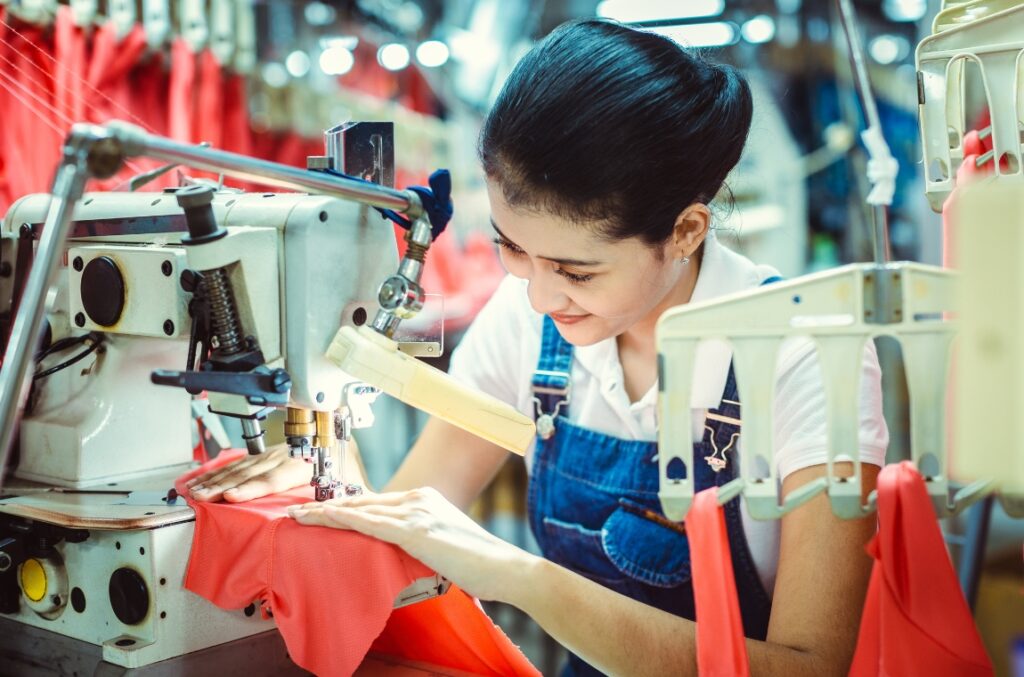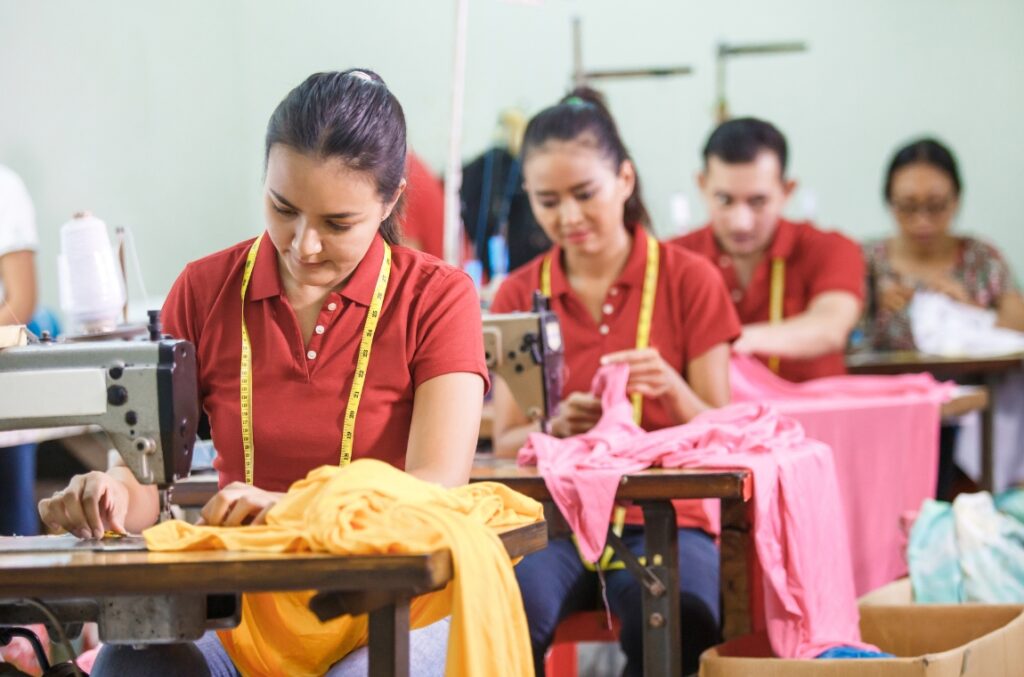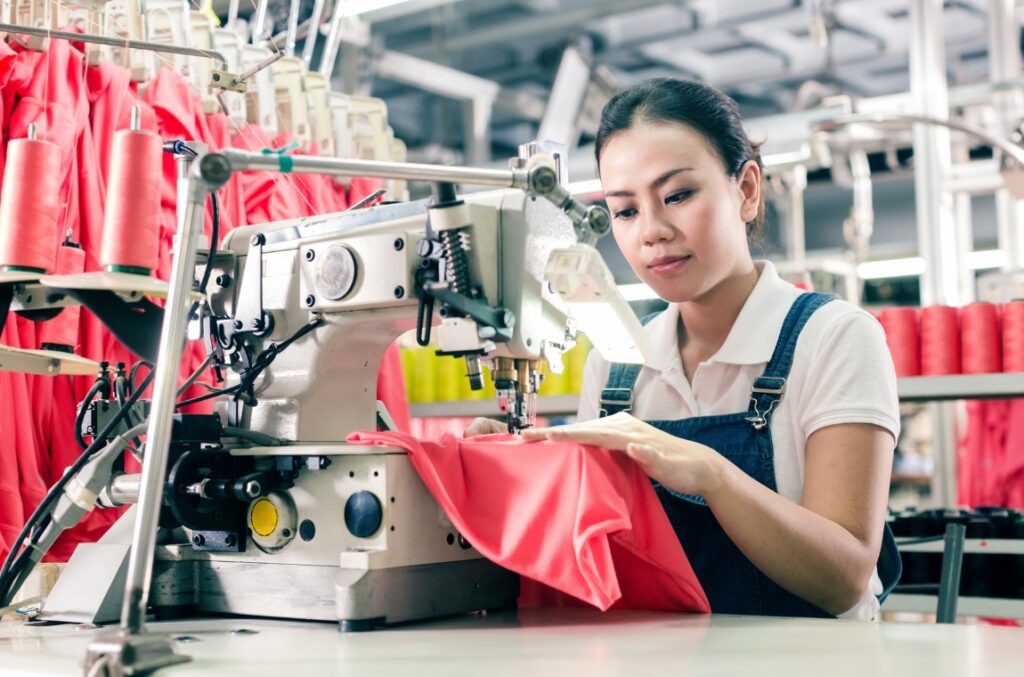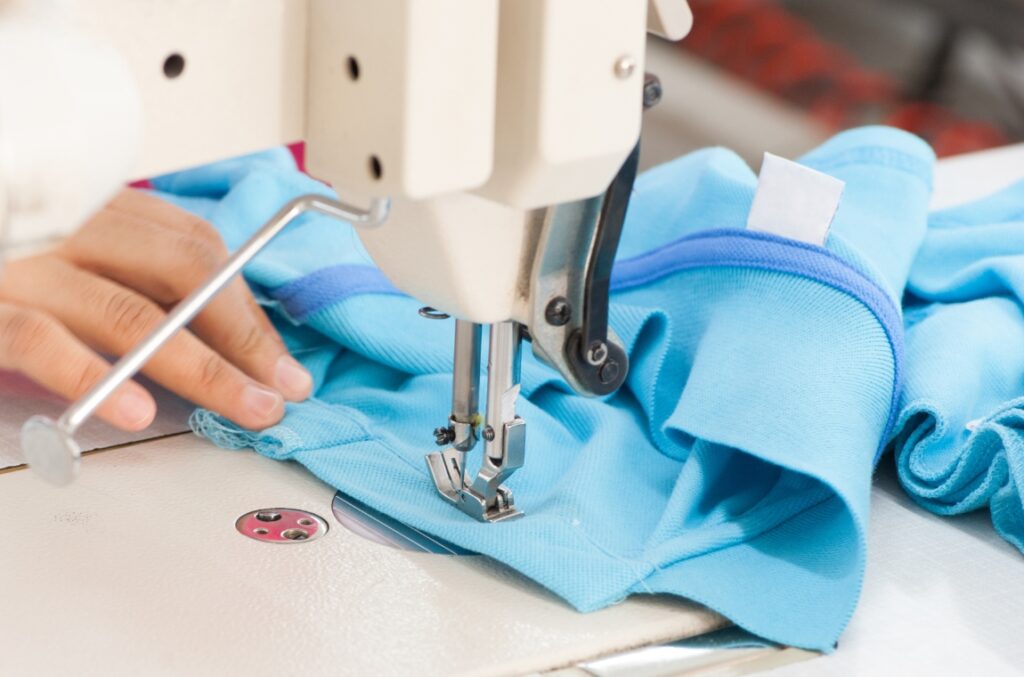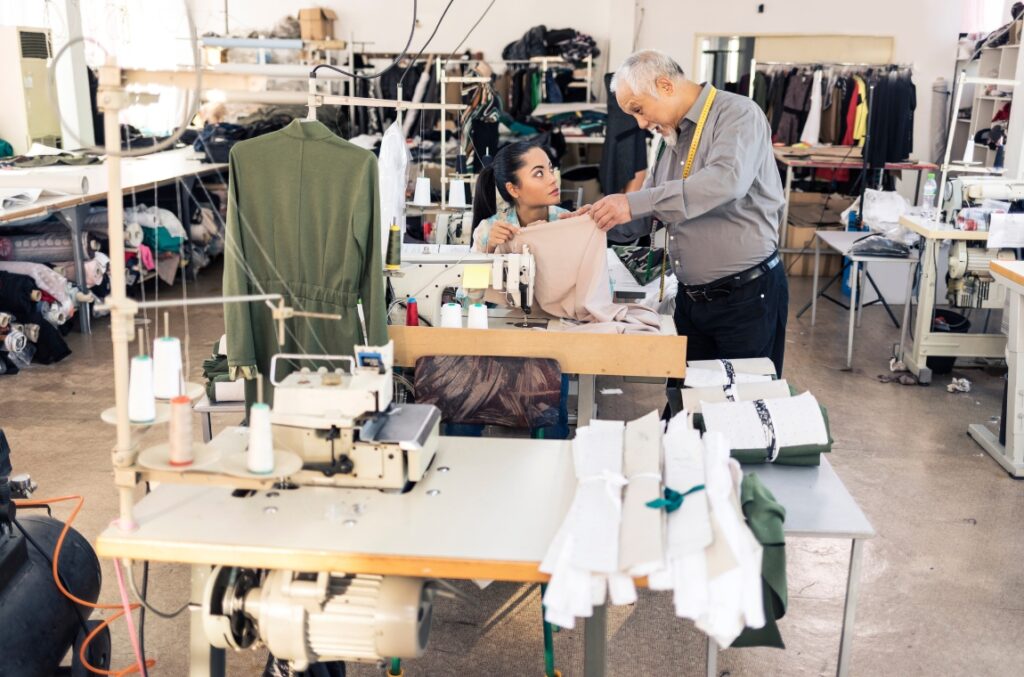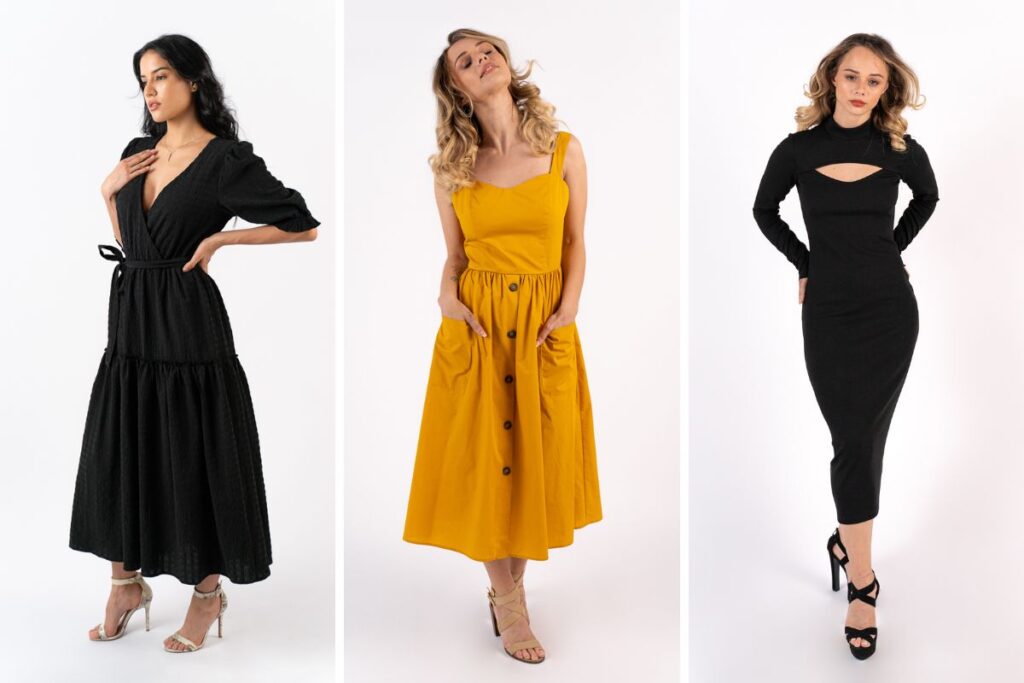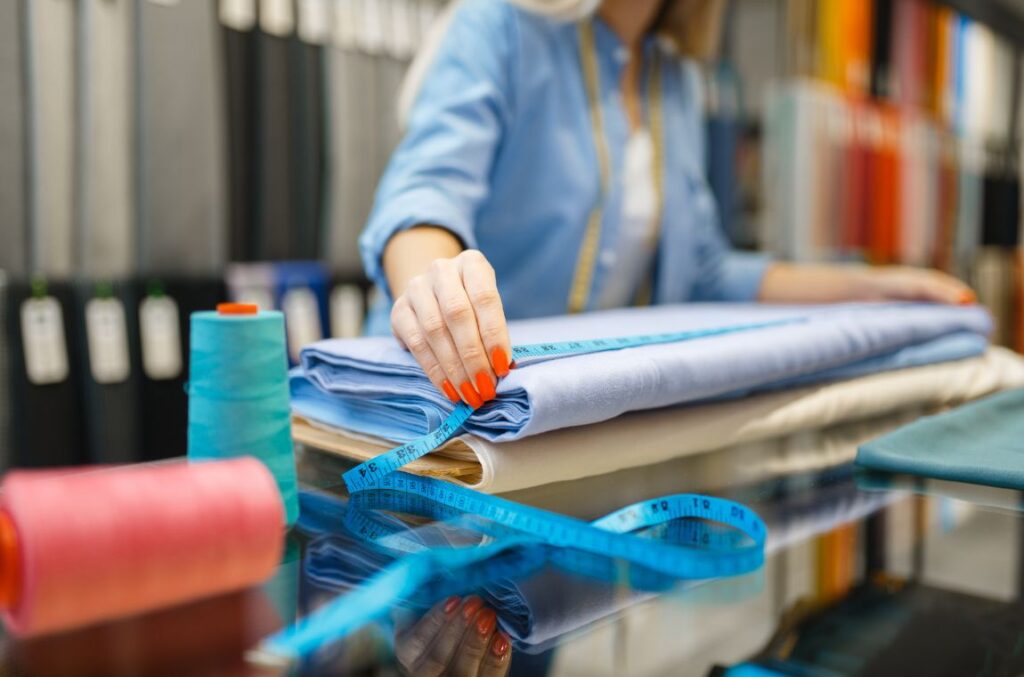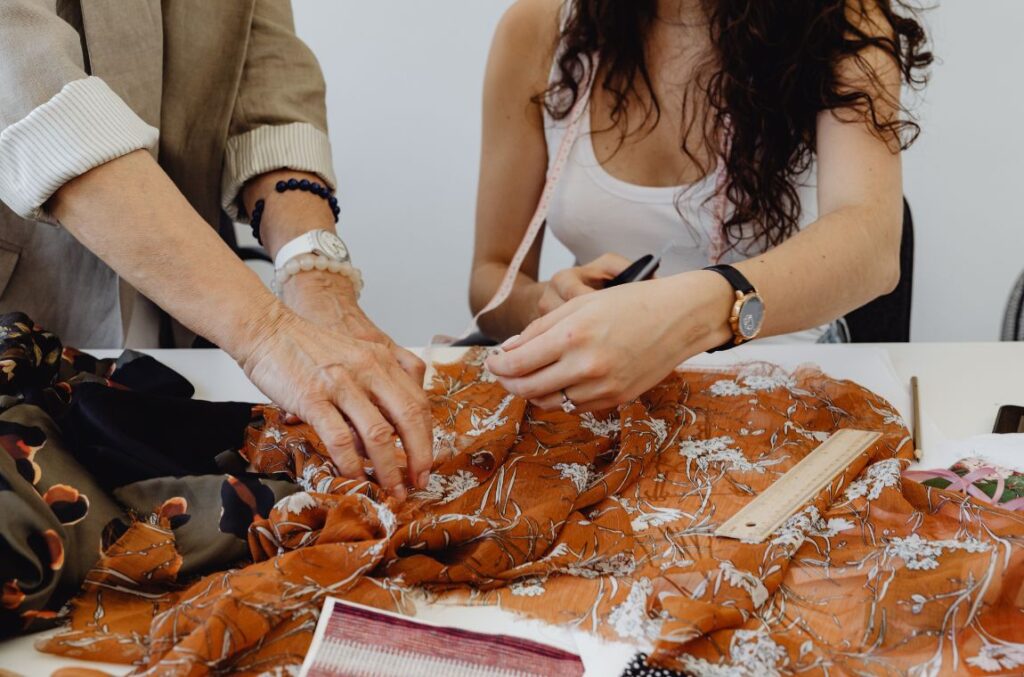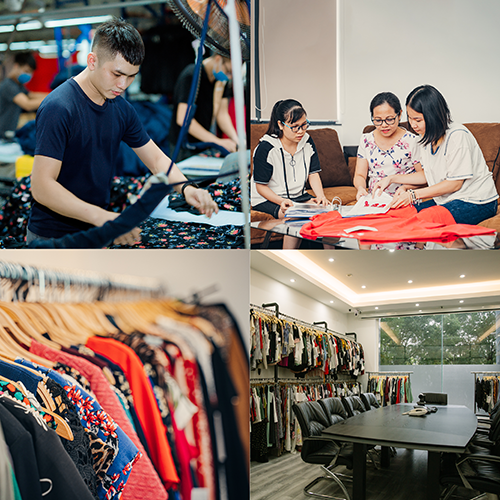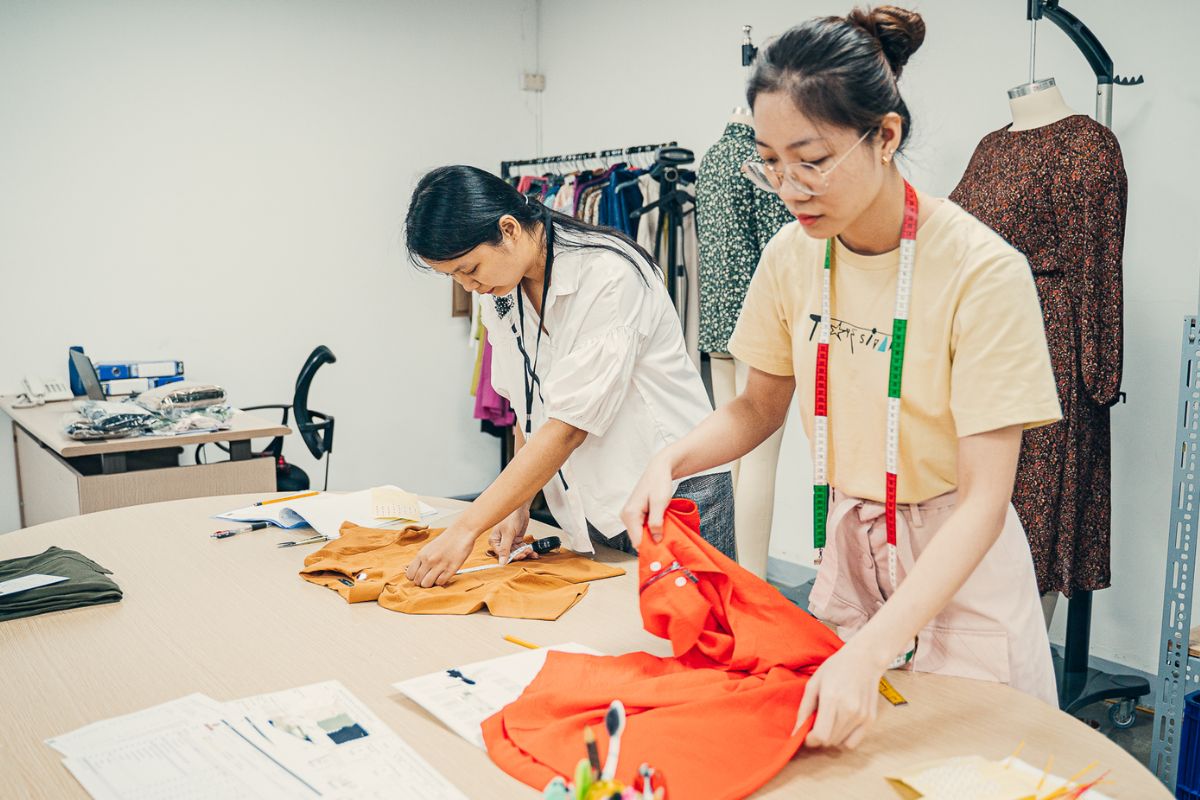

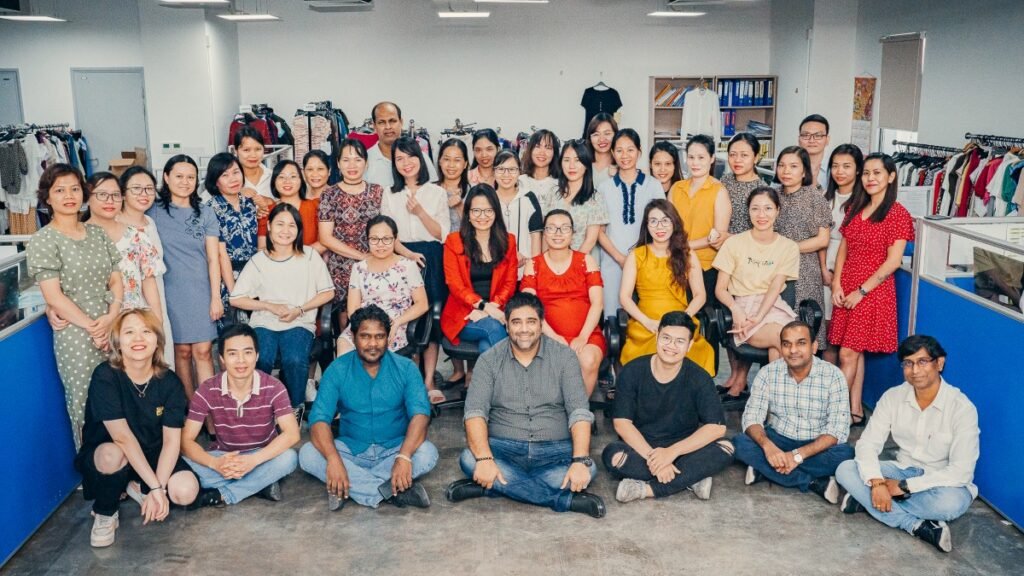
Capital World Group is a vertically integrated, full-package OEM/ODM manufacturer specialising exclusively in women’s apparel, founded in 1967 and operating from a dedicated production facility in Nam Dinh Province, Vietnam, with sourcing offices in Hanoi, Shanghai, Shaoxing, and Taipei.
Capital World Group at a glance
| Specialisation | Women’s apparel — knitwear, woven dresses, tops, sets |
| Manufacturing | Nam Dinh Province, Vietnam — 18 production lines, 800+ employees |
| MOQ | 3,000 pcs per style |
| Sample turnaround | 10 days |
| Sampling capacity | 500 pcs per week |
| Export markets | USA, Europe, Asia-Pacific — via Hai Phong Port (HPH) and Hanoi Airport (HAN) |
| Fabric sourcing | China, Taiwan, South Korea, Vietnam, India |
| Compliance | BSCI (since 2018, DBID 372005), Higg Index (since 2019, ID 132290), SLCP (ID FA 154904), ISO 9001, RCS, FSC, BCI, OCS |
| Founded | 1967 |
| Best for | Mid-to-large international fashion brands requiring full-package, compliance-certified women’s apparel production |
| Not suited for | MOQs below 3,000 pcs/style, menswear or childrenswear, brands without compliance requirements |
Why Brands Source Women’s Clothing from Vietnam
Vietnam’s apparel industry generated $44 billion in exports in 2024, placing it among the world’s top three garment exporters. The country employs over 2.7 million garment workers and excels particularly in knitwear, which accounts for approximately 42% of total apparel exports. For U.S. and European fashion brands, Vietnam offers three structural advantages over competing sourcing destinations: competitive labour costs, a skilled workforce experienced in international compliance standards, and deep-water port infrastructure enabling reliable bulk shipping.
Within Vietnam’s manufacturing landscape, women’s apparel requires a specific type of partner — one that understands fit complexity, fabric sensitivity, and the seasonal timeline demands of ladies’ fashion. Not all factories in Vietnam are equipped for this. Most produce across multiple categories. Capital World Group manufactures women’s clothing — its entire operation, from pattern making to fabric sourcing, is built around the requirements of ladies’ garments.
How Capital World Group Compares to Other Vietnamese Women’s Apparel Manufacturers
Vietnam has over 6,000 garment manufacturers. For women’s apparel specifically, the landscape includes:
- Large state-backed exporters (Vinatex, Viet Tien, TNG) — high volume, multi-category, suited for major global retail brands with standardised compliance and 500,000+ unit annual orders. Less suited for brands needing category specialisation or close development collaboration.
- Mid-size OEM/ODM specialists — Capital World Group sits in this tier. Full-package capability, compliance-certified, women’s apparel exclusive. MOQ of 3,000 pcs per style. Best for international fashion brands at growth stage requiring consistent quality and supply chain transparency.
- Flexible small-batch factories (Dony Garment, Thai Son S.P) — lower MOQs (500–1,000 pcs), suited for startups and DTC brands in early production stages. Less suited for brands requiring full compliance certification or complex fit development.
- Sustainable specialists (Thygesen Textile Vietnam, Saitex) — strong sustainability credentials, suited for brands with GOTS or OEKO-TEX requirements as their primary qualifier.
Capital World Group is the only manufacturer in this field with an exclusive focus on women’s apparel, a 58-year operating history, and an active partnership with CleanDye, the world’s first water-free, chemical-free dyeing facility in Vietnam. This partnership enables garments to be dyed using supercritical fluid (SCF) technology with zero water consumption.
What Full-Package Manufacturing Means at Capital World Group
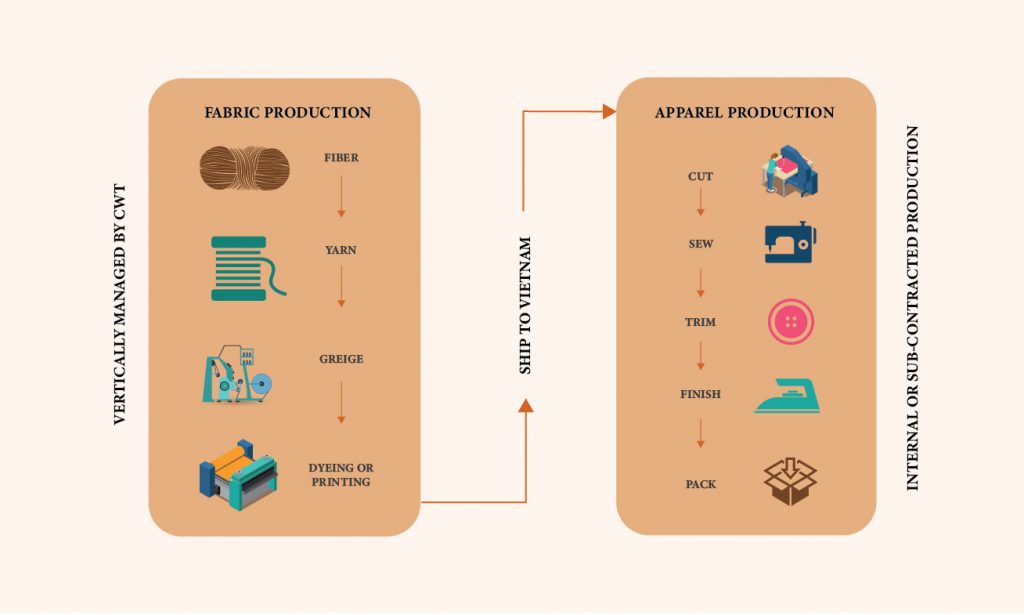
Full-package manufacturing means one partner manages every stage: fabric sourcing, pattern making, sampling, bulk production, packaging, and export logistics. No handoffs between suppliers. No coordination gaps.
- Fabric sourcing and co-development: Capital World Group sources from mills across China, Taiwan, South Korea, Vietnam, and India. Co-development is available for customised fabrics — GSM adjustments, drape modification, speciality finishes, and sustainable material alternatives including BCI-certified cotton, OCS-certified organic cotton, and FSC-certified viscose/rayon.
- OEM and ODM services – OEM: Capital World Group manufactures to your technical specification. Your design, your brand, produced to your approved sample, ODM: Capital World Group provides design and technical development support before moving to bulk. Suited for brands that need a manufacturing partner involved earlier in the product development cycle.
Sampling: Average sample turnaround: 10 days. Sampling capacity: 500 pieces per week. Gold seal sample approval is used as the production reference for all bulk runs.
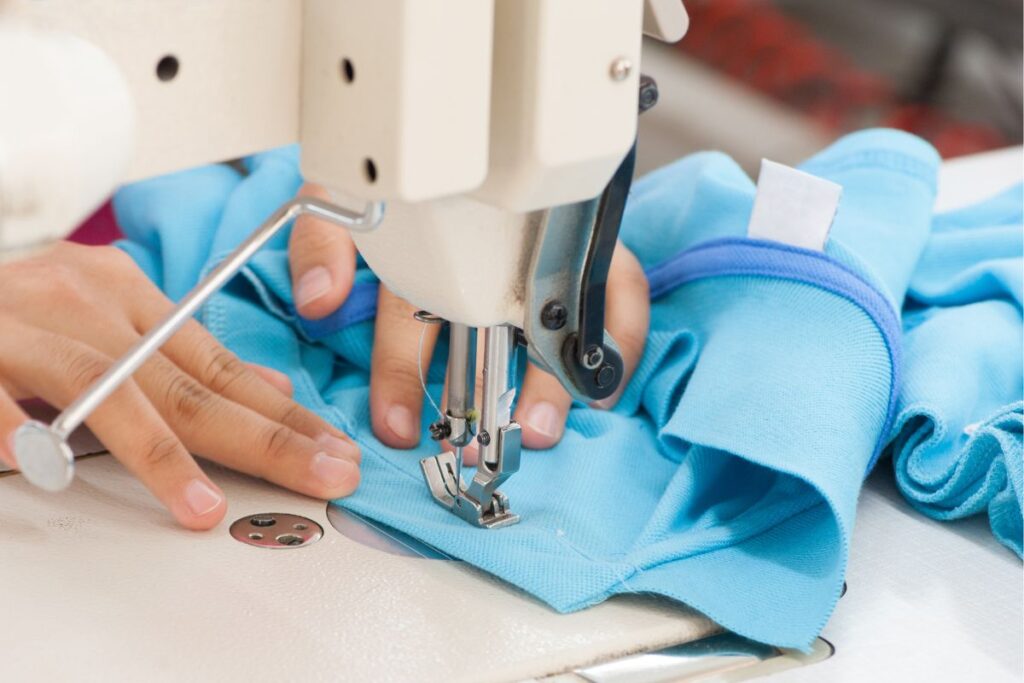
Bulk production: 18 production lines. 800+ employees. [CONFIRM: monthly unit capacity]. In-line quality checks at cutting, sewing, and finishing stages. AQL 2.5 inspection standard for major defects.
Export logistics: Export coordinated through Hai Phong Port (HPH) or Hanoi Airport (HAN). FOB pricing standard; CIF available on request. Full documentation support for U.S. import compliance.
Compliance and Certifications
Capital World Group holds the following active certifications — all independently verifiable:
- BSCI (Business Social Compliance Initiative, Amfori) — social compliance standard recognised by U.S. and European buyers. Member since 2018. DBID: 372005.
- Higg Index (Sustainable Apparel Coalition) — environmental and social supply chain assessment standard. Member since 2019. Higg ID: 132290.
- SLCP (Social Labor Convergence Program) — working conditions data standard. ID: FA 154904.
- ISO 9001 — quality management system certification.
- RCS (Recycled Claim Standard) — chain of custody for recycled material content verification.
- FSC (Forest Stewardship Council) — certified viscose/rayon materials available.
- BCI (Better Cotton Initiative) — BCI-certified cotton in use for 5+ years.
- OCS (Organic Content Standard) — certified organic cotton available.
Capital World Group welcomes independent social and technical audits. Valid audit reports are currently held by multiple international brand partners.
What to Ask Any Vietnamese Women’s Apparel Manufacturer
Before committing to a production partner, clarify six things:
- MOQ and what it includes
Reputable full-package manufacturers in Vietnam typically require 3,000 pcs per style minimum. This threshold reflects the economics of full-package production — fabric sourcing, sampling, and compliance management are only cost-effective at this scale. Factories offering 500 pcs MOQ are usually CMT operations (labour only) or are outsourcing elements of the process. Always clarify what’s included in the quoted MOQ. - Compliance certifications — with IDs
Ask for the certification name, issuing body, member ID, and date of last audit. “We are BSCI certified” without a DBID is unverifiable. A legitimate certified manufacturer will provide this immediately. - Sampling process and reference sample protocol
What is the sample turnaround? How many rounds are standard? What constitutes the production reference — a gold seal sample or a digital approval? Misaligned sample approval processes are the most common cause of bulk quality failures. - Factory location and ownership
Is the factory wholly owned or is it a trading company coordinating multiple subcontractors? Wholly owned facilities offer better quality visibility. Ask for the factory address and verify it independently. - CMT vs full-package scope
CMT (Cut, Make, Trim) means you supply fabric and the factory provides labour. Full-package means the factory sources fabric, trims, and accessories and delivers finished goods to port. The scope determines your involvement, your costs, and your risk exposure. - Export documentation for the U.S. market
Confirm the factory can provide: Certificate of Origin (Vietnam), commercial invoice, packing list, and any product-specific compliance documentation required for U.S. Customs (CPSC for children’s wear, OEKO-TEX or equivalent for chemical safety claims).
Common Pitfalls When Sourcing Women’s Clothing from Vietnam
Higher MOQ than expected
Vietnam’s full-package manufacturers — those handling fabric sourcing, compliance, and end-to-end logistics — typically require 3,000+ pcs per style. Brands expecting 500 pcs minimums from a certified, full-package partner will find their options limited to CMT factories or smaller, less compliance-robust operations.
Sample approval without a gold seal
Any ambiguity in sample approval transfers to bulk production. Insist on a physically sealed gold seal sample held by both parties as the production reference. Digital approvals alone leave too much interpretation room.
Skipping in-line quality checks
Pre-shipment inspection is not enough. Defects caught at the end of production still require rework or rejection of finished goods. Manufacturers with in-line QA at cutting, sewing, and finishing stages catch problems before they compound.
Treating compliance as a one-time check
BSCI and Higg audits expire. Verify the date of the last audit, not just that a certification exists. An expired certification signals that the manufacturer is no longer maintaining the standards required.
Contact Capital World Group
Capital World Group manufactures women’s apparel for international fashion brands from its facility in Nam Dinh Province, Vietnam. Founded in 1967. BSCI certified since 2018. Full-package OEM/ODM from 3,000 pcs per style.
To discuss your production requirements: inquiry@capitalworld.com.tw
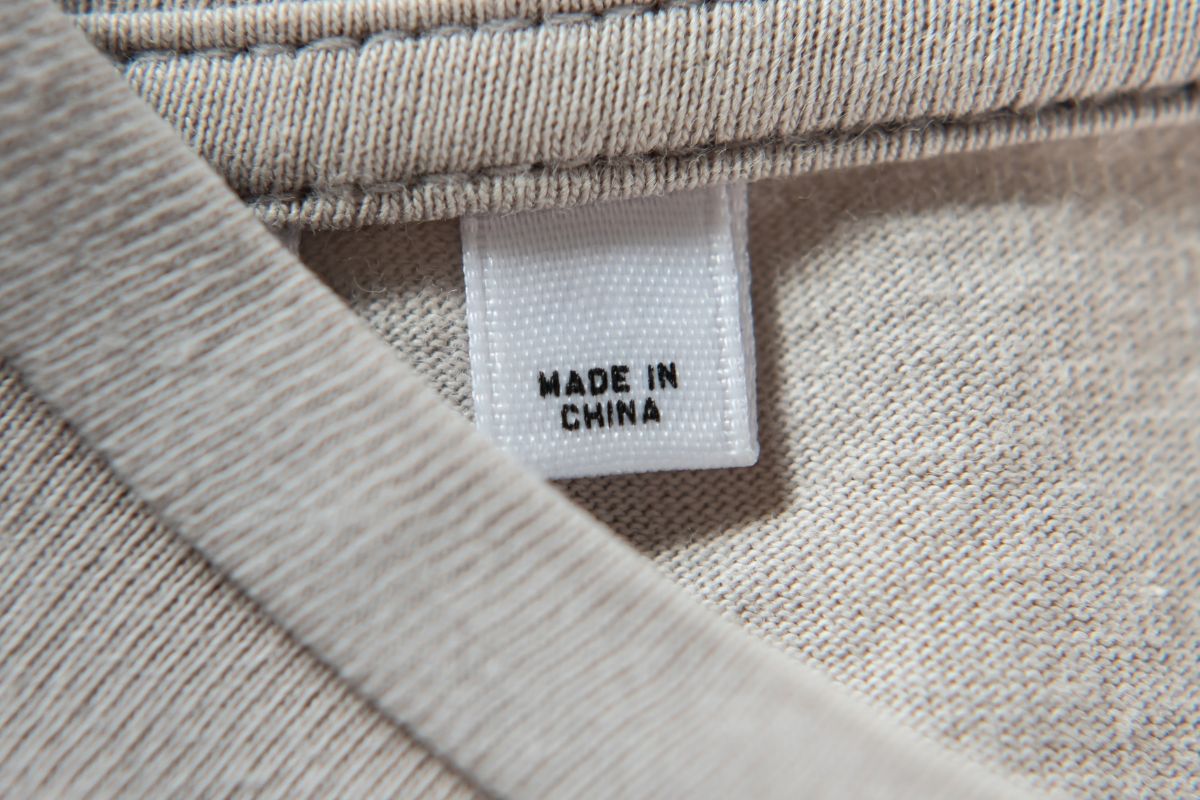 China still dominates global apparel output, producing around
 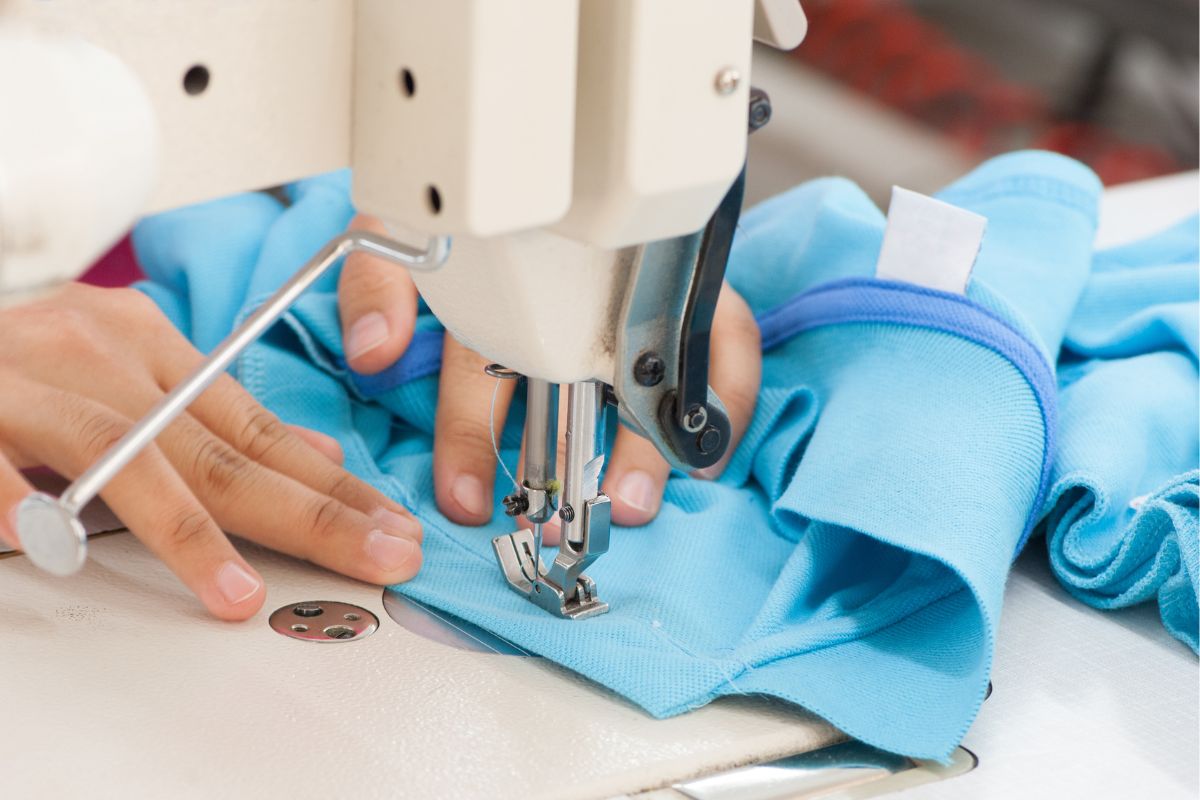 Additionally, the country’s skilled workforce and consistent quality have attracted major global brands. Many well-known labels source here, including Nike, Adidas, H&M, Lululemon, and Uniqlo.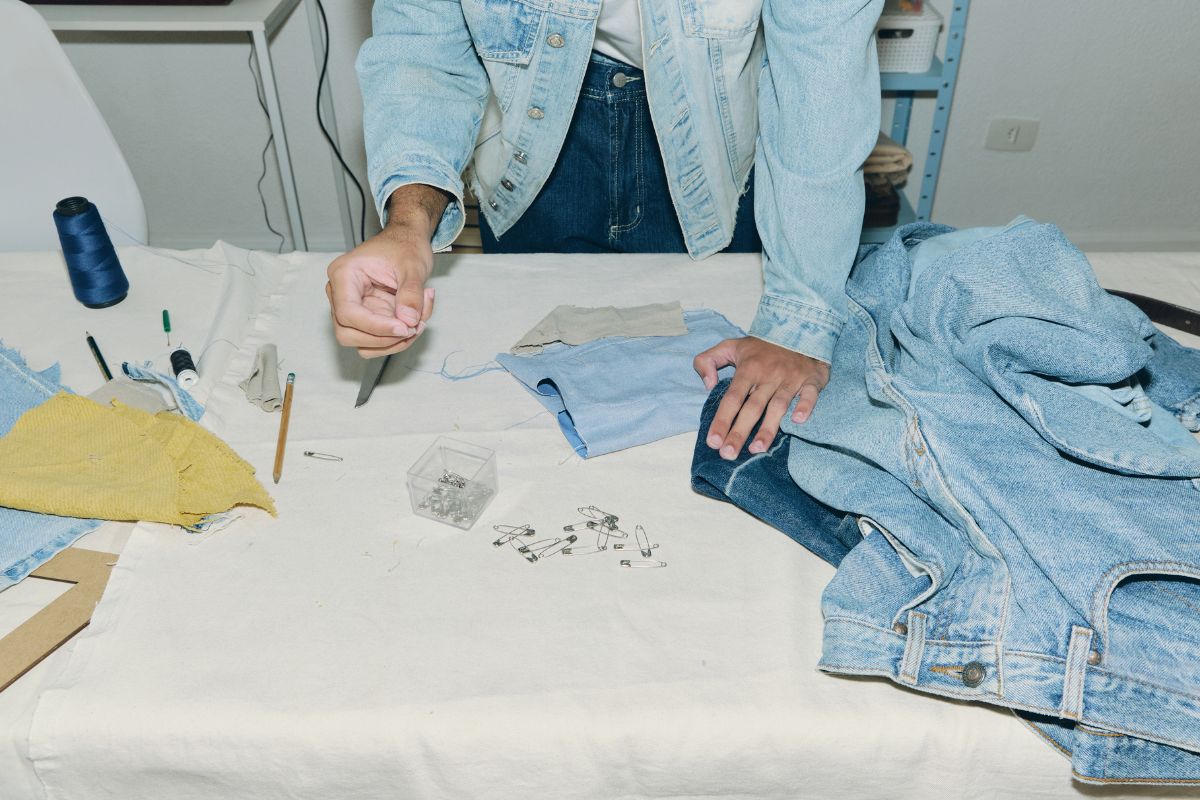
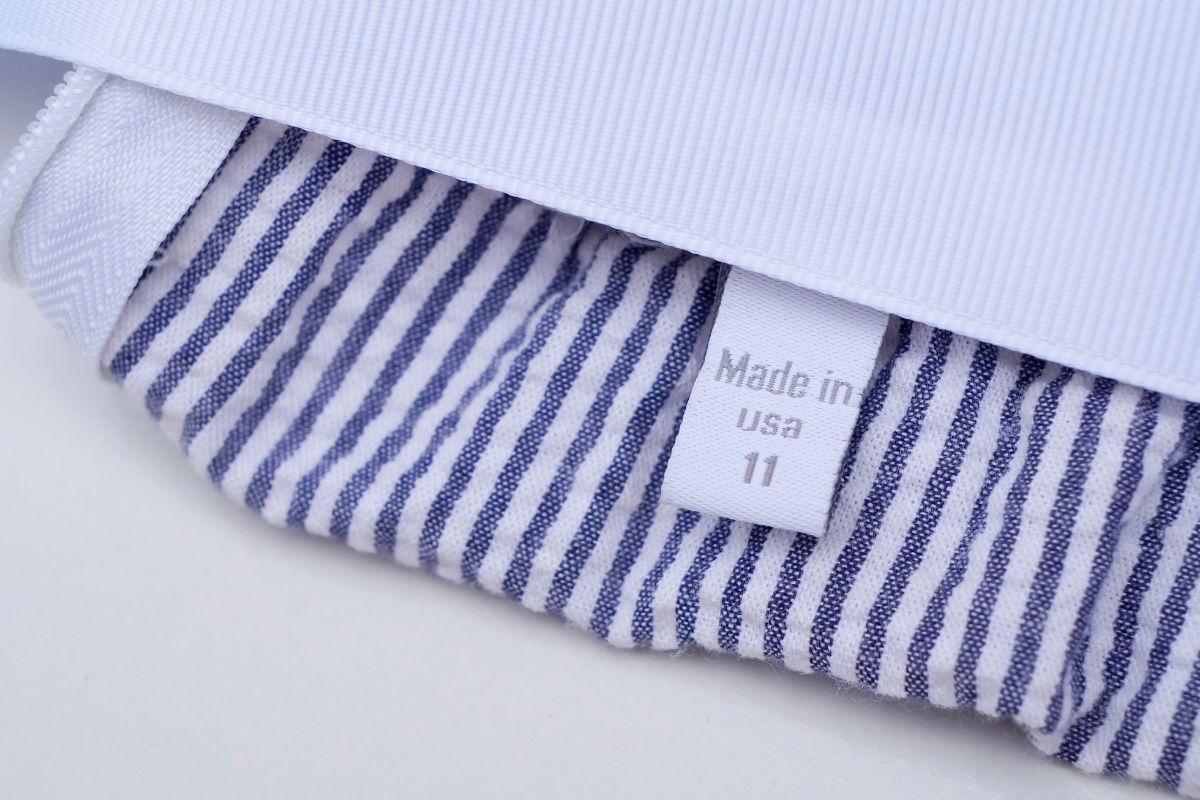 The US’s strengths include technical textiles, premium denim, athletic wear, and garments made with skilled labor and advanced technology. Many brands also use nearshoring to Mexico or Central America to stay competitive in a fast-moving market. However, the US also
 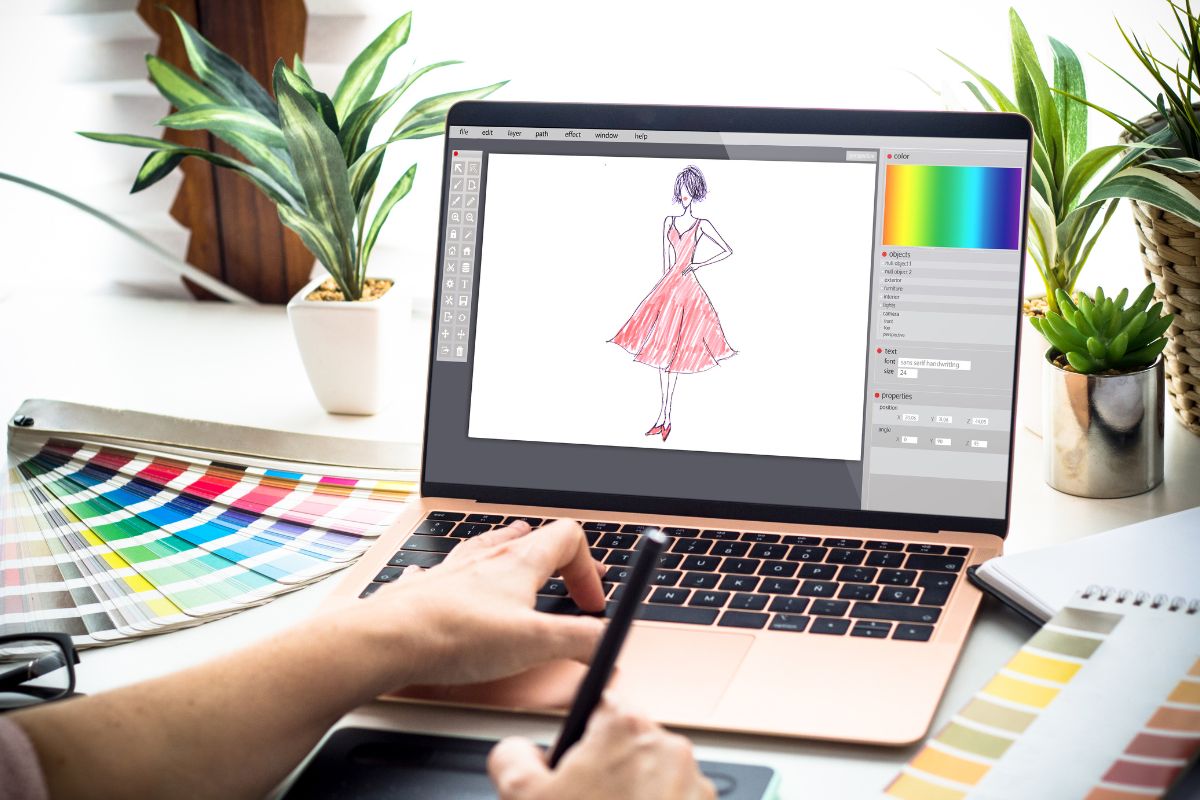 Advances in digital tools, from 3D sampling to connected production systems, are also speeding up manufacturing and reducing waste. The most competitive players often blend efficient large hubs with agile micro-production to ensure they thrive in varied circumstances.