Capital World Group
  • Shanghai
  • Taipei
  • Shaoxing
  • Hanoi
  • Nam Dinh
garment pieces

Top 10 biggest clothing manufacturing countries 2025

According to the Textile Market Report, the global textile and apparel market is valued at about $696.16 billion. By 2029, it’s projected to reach $915.96 billion, reflecting steady 7.1% annual growth. Yet ongoing geopolitical tensions and regional instability continue to disrupt supply chains and test the industry’s resilience.

Recent conflicts, for instance, have redirected many apparel orders to Vietnam. In this environment, Vietnam’s political stability and rapid economic progress make it an attractive choice for buyers. The following sections look at the top 10 clothing manufacturing countries in 2025 and examine how each is competing in a shifting global market.

1. Vietnam

Vietnam has rapidly become a leading garment producer. It’s now the 4th largest garment exporter globally, with export turnover estimated at $44 billion in 2024-2025. This performance puts Vietnam among the top ranks (in recent growth, second only to India) as global demand rebounds.

Vietnam’s industry emphasizes quality and compliance. Thousands of factories (over 13,000 enterprises) employ around 2.5 million skilled workers. Several Vietnamese garment manufacturers carry international certifications such as ISO 9001 for quality management, BSCI, WRAP, GOTS and SA8000 (social accountability). These credentials reflect a proven track record in meeting ethical and sustainable production standards.

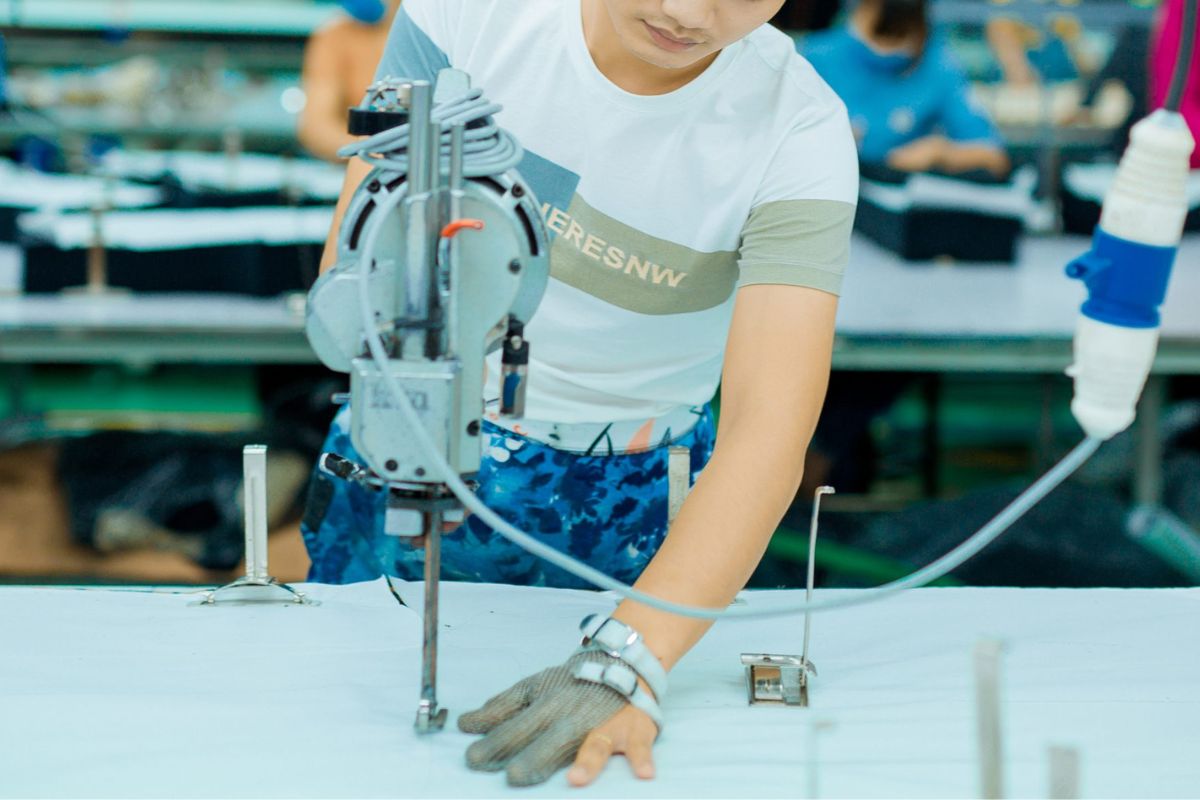
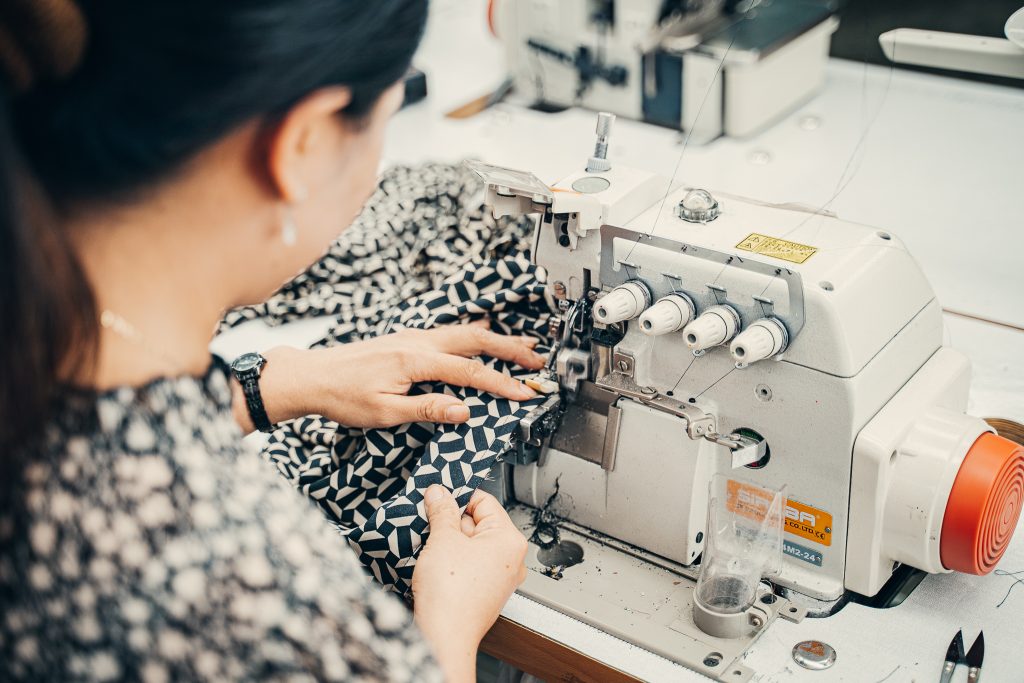
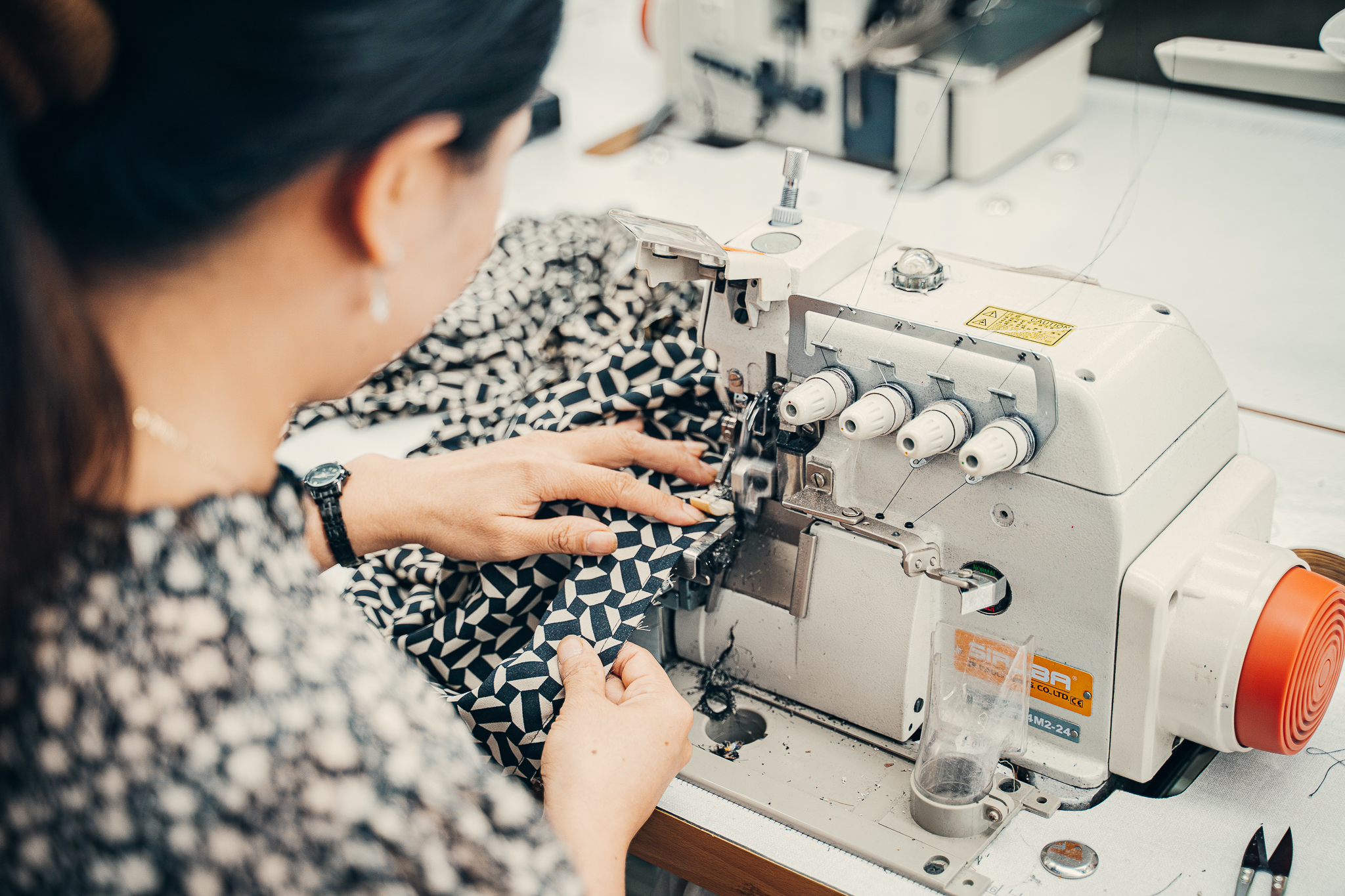
sewing fabricAdditionally, the country’s skilled workforce and consistent quality have attracted major global brands. Many well-known labels source here, including Nike, Adidas, H&M, Lululemon, and Uniqlo.

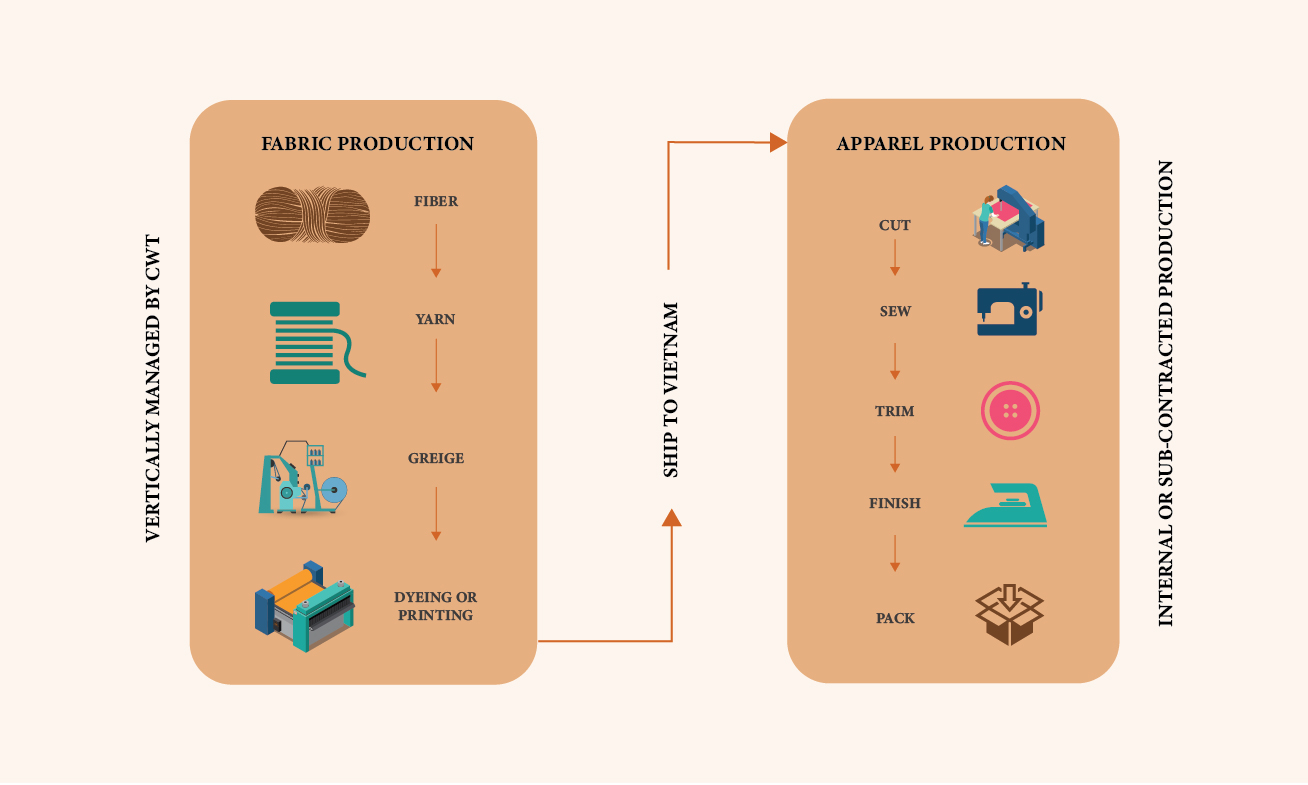
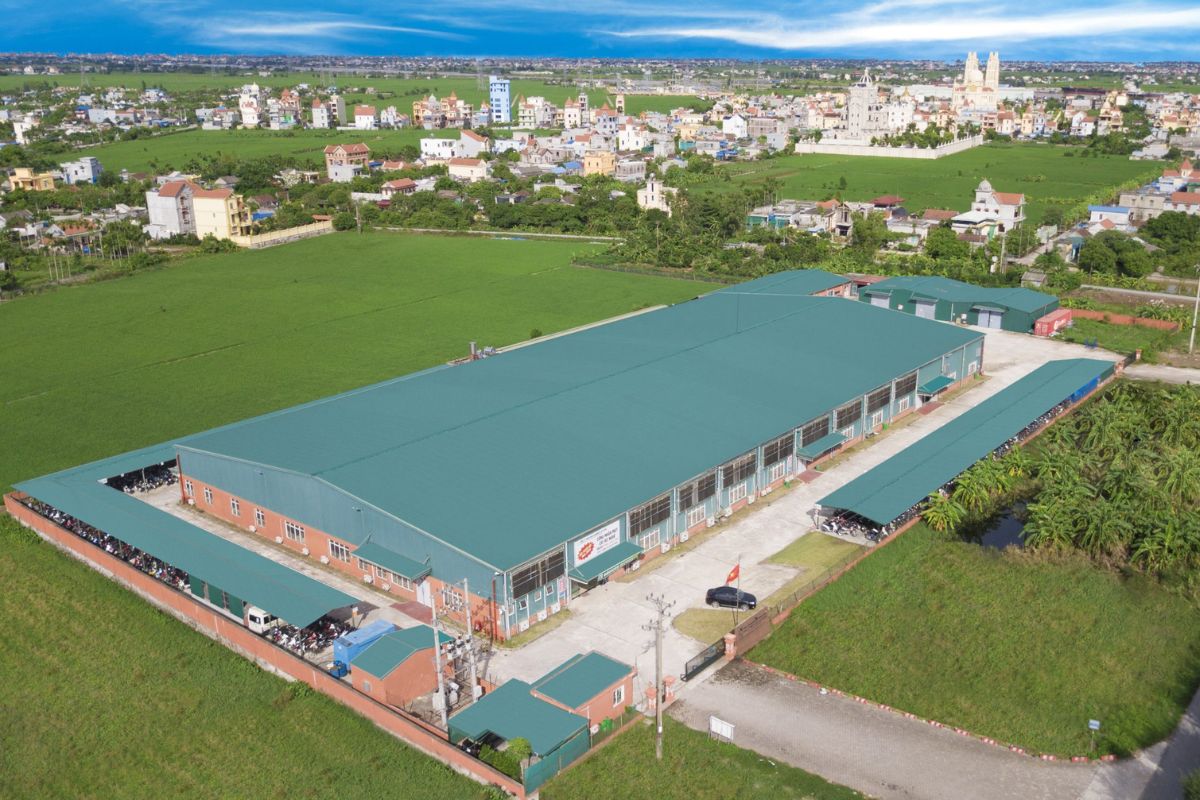
Building on this reputation, Capital World Group, a vertically integrated ladies’ clothing manufacturer based in Vietnam, has become a partner with leading global apparel brands searching for a trusted Vietnam garment manufacturer.

2. European Union

In 2023, Europe’s apparel imports reached €176.9 billion (up from €144.7 billion in 2018), reflecting robust demand. EU-based producers (notably in Italy, Portugal, Spain, etc.) focus on quality and upscale fashion, while nearshoring partners (Turkey, Eastern Europe) supply more basic goods. A major demand focus in Europe is on sustainability, traceability, and compliance. European buyers and regulators require proven ethical sourcing and low environmental impact.

Additionally, Europe’s geography favors proximity sourcing. Many regional brands benefit from nearshoring production to nearby countries for shorter lead times. This proximity strategy, combined with strict EU standards, has positioned the EU bloc as a high-value market emphasizing textile quality and sustainability over large volumes.

3. China

China remains the largest manufacturer of clothes in the world by volume, but its dominance is evolving. In recent years, rising wages and shifting economics have spurred many Chinese apparel manufacturers to relocate or expand to ASEAN countries (Vietnam, Cambodia, etc.).

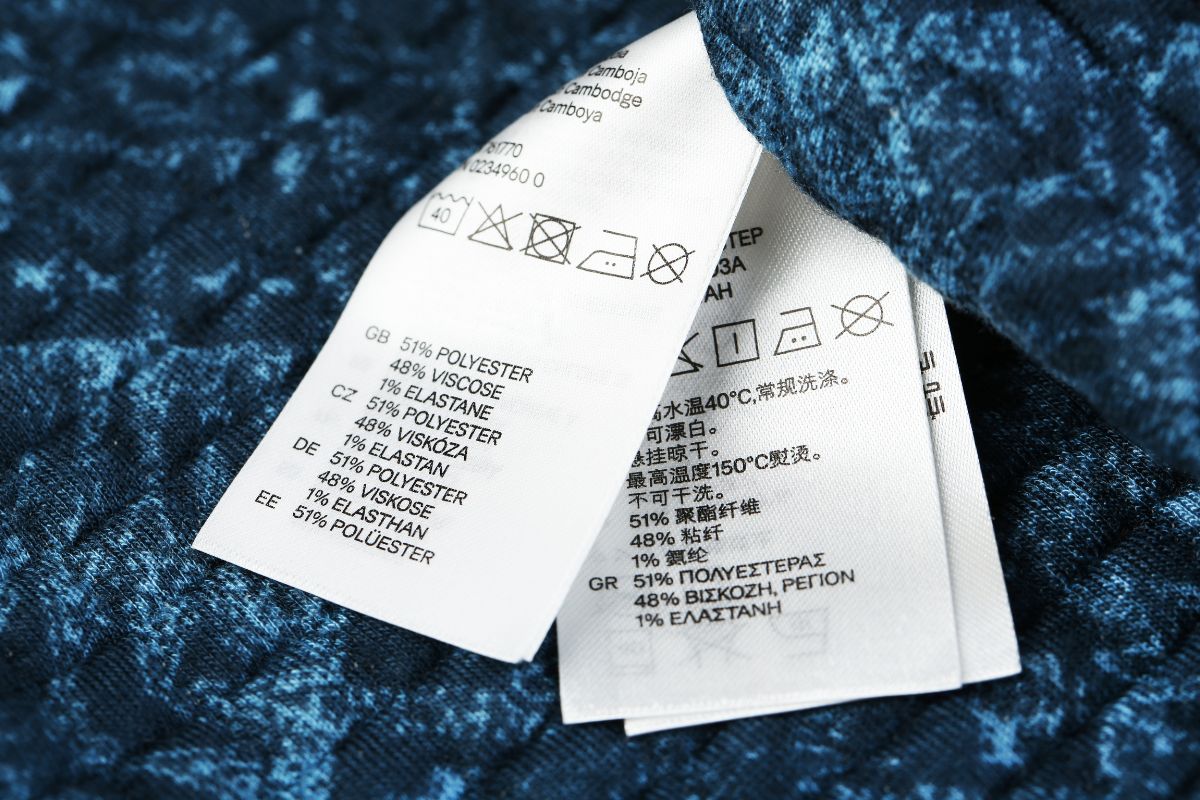
clothing label made in china tagThis “China Plus One” diversification trend is driven by China’s labor costs nearly doubling (e.g., urban garment wages averaging $500 – 650/month vs. $192 in Vietnam). Ongoing trade tensions (such as US tariffs on Chinese exports) have further pushed production to Southeast Asia. So, while China is one of the top clothing manufacturing countries by output, it is focusing more on higher-value and technical textiles at home.

4. Bangladesh

This is currently the second-largest garment exporter after China, known worldwide for low-cost, large-scale apparel production. The ready-made garment (RMG) industry in Bangladesh employs around 4 million workers (about 80% women), powering about 80% of the country’s exports. Bangladesh specializes in mass-produced knitwear and basic apparel (e.g., t-shirts, sweaters) for global retailers.

Bangladesh relies heavily on imported textiles (fabric and yarn), and its comparative advantage has been predicated on keeping labor costs among the lowest globally. Disruptions such as political unrest or global demand shifts can therefore hit hard. The industry is striving to overcome these challenges by improving compliance and infrastructure.

5. Turkey

Turkey has long been a major apparel and textile producer, ranking as the world’s fourth-largest textile exporter. Its proximity to Europe supports quick turnarounds and high-quality fabric production.

In 2024–2025, the industry faces rising input costs, inflation, and global competition. Minimum wages have surged 249% in two years, making Turkish garments about 60% more expensive than East Asian alternatives.

Production capacity has also dropped to 50–60% of normal levels as cheaper imports and fast fashion erode market share. While still valued for speed and flexibility in European orders, many brands now pair Turkey with a Vietnam apparel manufacturer for larger, cost-efficient volumes.

6. India

With one of the world’s most diverse textile industries, India has a strong base in natural fibers. These include cotton, jute, silk, and wool, alongside large-scale production of synthetics like polyester, viscose, nylon, and acrylic. This raw material depth supports vertical integration from farm to finished garment.

Its mills produce everything from fabric to ready-made garments, including high-quality cotton apparel, handloom textiles, and knitwear. India remains among the top clothing manufacturing countries, though most brands opt for manufacturers in Southeast Asia to coordinate trims and fabrics for faster turnaround.

7. Cambodia

This country in Southeast Asia has a domestic apparel market of about $285 million in 2025 and a projected annual growth of 3.5%. It is one of the hotspots gaining attention as a lower-cost ASEAN production base.

Most factories specialise in cut-and-sew garments, including T-shirts, sportswear, and denim. They benefit from competitive labour costs and trade advantages such as the EU’s Everything But Arms (EBA) scheme.

denim clothes makingHowever, importing much of their raw materials from China or Vietnam can extend lead times, and the industry still operates on a smaller scale than major regional players. In response, more producers are securing compliance and sustainability certifications to satisfy buyer requirements.

8. Pakistan

With one of the world’s largest cotton harvests, Pakistan has built a strong spinning and weaving base. This integrated supply chain underpins its textile and garment production, with notable strengths in knitwear and denim. Its mills supply premium denim fabric to many global jeans brands, while fleece, hosiery, and T-shirts expand its garment production reach.

Low labor costs and high volumes keep it competitive, though energy shortages and infrastructure gaps have limited growth. Ongoing political and economic volatility also affects stability. Even so, Pakistan’s investments in compliance, organic cotton, and sustainable production make it a viable partner, often complementing manufacturers in regions like Vietnam with stable capacity.

9. Indonesia

Thanks to the shifting trade dynamics, Indonesia has become a prime relocation hub for garment and footwear production. The US – China trade war and Vietnam’s full capacity have pushed new investment its way. In 2024, foreign direct investment in its textile sector jumped 107% to $903 million. The government is promoting growth while moving to protect against China’s export surge, which has flooded regional markets with low-cost goods.

Infrastructure improvements and a large labor force support its ambition to be known for speed and flexibility. Many brands now have Indonesia on their radar alongside Vietnam and China for rapid onboarding and balanced regional production.

10. United States of America

Home to a $395 billion apparel and garment industry in 2025, the US excels in specialized and high-end production. While bulk manufacturing moved offshore, demand for sustainability, digital production, and localized short runs is reshaping the sector. Many brands launch “Made in USA” capsules, using automated cutting, 3D knitting, and digital design for small-batch efficiency.

clothing tags made in usaThe US’s strengths include technical textiles, premium denim, athletic wear, and garments made with skilled labor and advanced technology. Many brands also use nearshoring to Mexico or Central America to stay competitive in a fast-moving market. However, the US also import clothes from Vietnam because of the affordable prices with high quality products.

Current trend in clothing manufacturing

In 2025, supply chain resilience depends on spreading production across regions. Many brands now split production between China, Vietnam, and South Asia, while using nearshoring in Europe or the Americas to cut risk.

This spread lets them move orders quickly when problems arise. Buyers also weigh sustainability and compliance, looking closely at a factory’s environmental record, labor standards, and traceability.

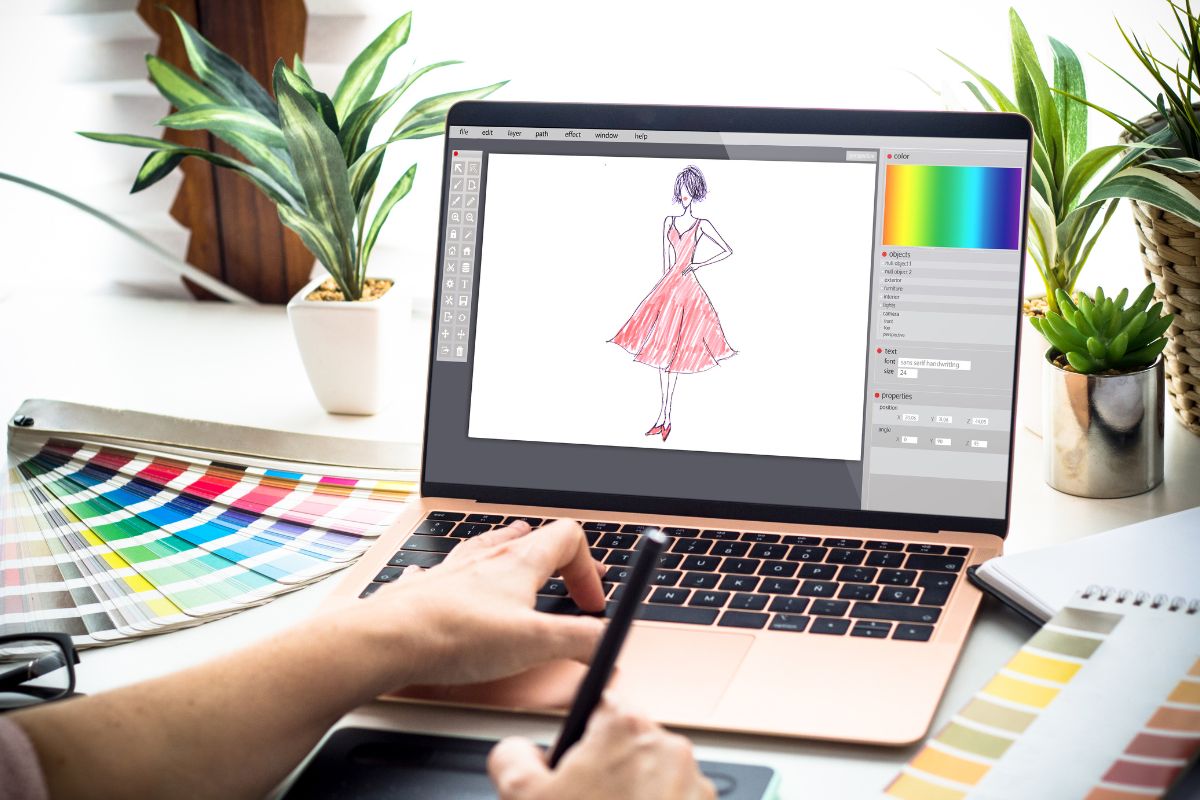
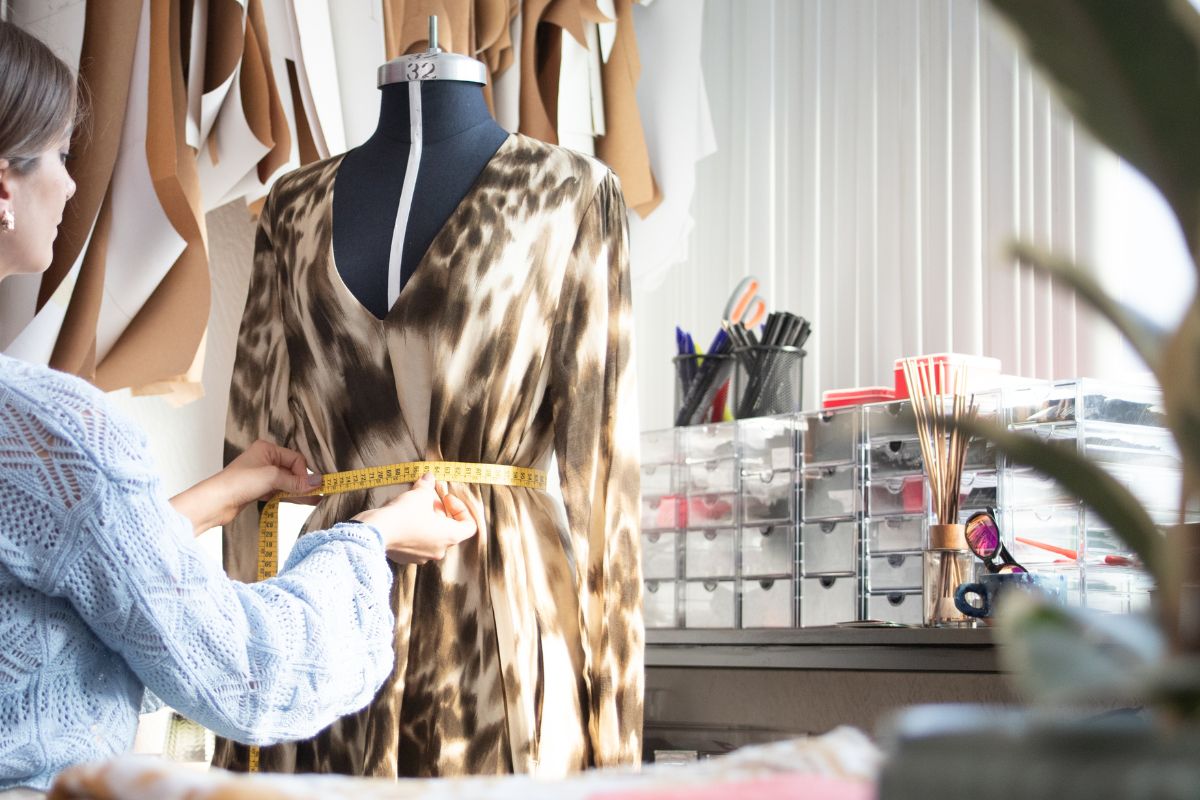
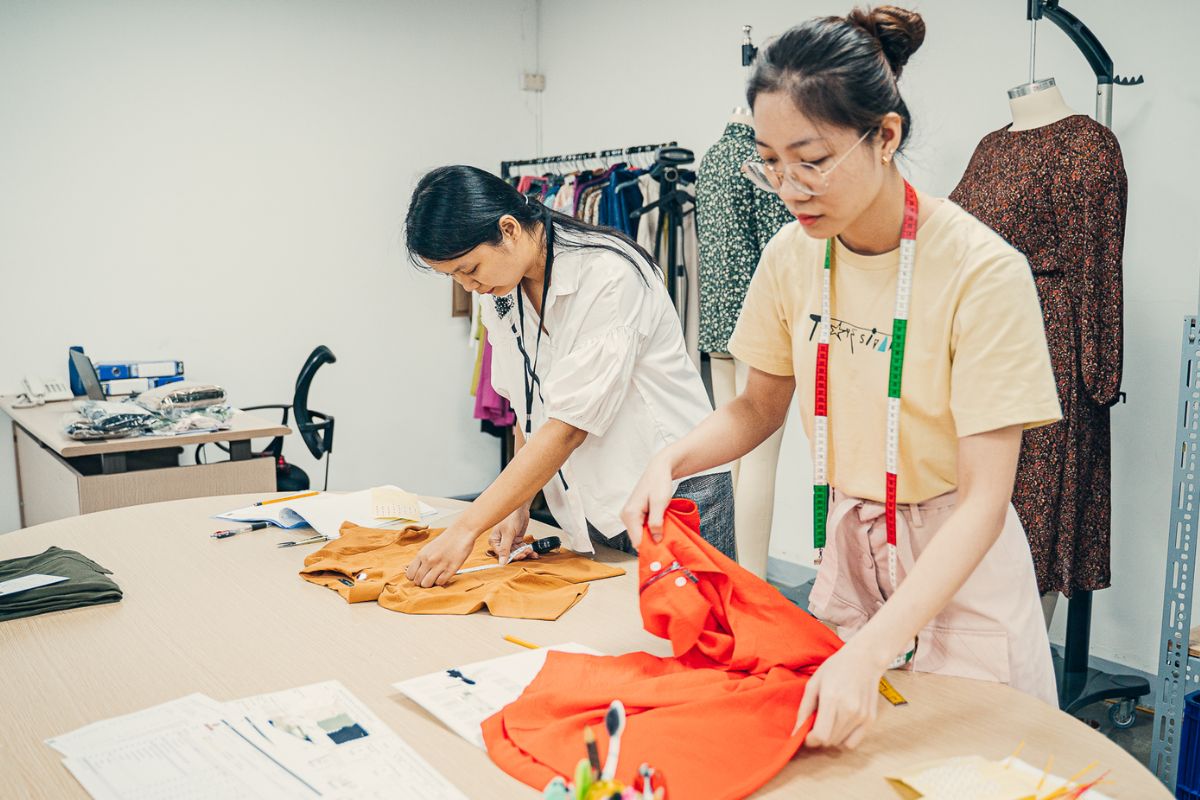
clothes designing using technology on laptopAdvances in digital tools, from 3D sampling to connected production systems, are also speeding up manufacturing and reducing waste. The most competitive players often blend efficient large hubs with agile micro-production to ensure they thrive in varied circumstances.

How to choose a clothing manufacturer by country

Selecting the right production base involves weighing multiple factors that directly influence timelines, product quality, and supply chain stability.

  • Political stability: Many developing markets face sudden changes that affect supply chains, but Vietnam’s consistent governance makes it a reliable choice.
  • Economic health and trade policy: This factor affects access to markets and production efficiency. With strong GDP growth and rising export value in apparel, Vietnam offers competitive access to global markets while keeping shipping costs under control.
  • A skilled labour workforce: This ensures consistent quality. Vietnam’s 2.5 million garment workers, supported by vocational training, can handle complex designs while meeting international compliance standards.
  • Manufacturing cost: This balances wages, materials, utilities, and compliance. Vietnam offers competitive pricing, with vertical integration from firms like Capital World Group reducing third-party expenses.
  • Lead times: Short lead times are crucial in fast fashion cycles: Vietnam’s in-house sampling and efficient logistics speed production from concept to delivery.
  • Shipping cost: This depends on distance and infrastructure. Vietnam’s major ports in Hai Phong and Ho Chi Minh City ensure competitive freight rates and reliable schedules to both the US and Europe.

When you put it all together, the best way to choose a women’s wear manufacturer specifically is one that can handle everything under one roof, from fabric to finished product, while keeping quality high, lead times short, and sustainability on track. Vietnam delivers on all three, especially through well-established manufacturers. One of the most noteworthy is Kiara Garments of Capital World Group. They manage the entire process end-to-end, turn orders around quickly, and hold international certifications that keep brands confident.

Read More
woman clothes manufacturing

Women’s clothing manufacturers in Vietnam | Capital World Group

dVietnam’s apparel industry is thriving globally as its exports hit $44 billion in 2024, placing the country among the top global garment exporters. Capital World Group (CWG) is one of the top names among the many women’s apparel factories in Vietnam, known for its end-to-end supply chain control. From premium knit tops to tailored dresses, CWG delivers high-end womenswear at scale while upholding rigorous ethical standards.

Why brands seek women’s clothing manufacturers in Vietnam

Partnering with women’s clothing manufacturers in Vietnam is a rising trend as fashion brands pursue stable costs and a skilled workforce. Vietnam offers the world’s most competitive manufacturing costs and a highly trained workforce of over 2.7 million. The country excels in diverse product categories, particularly knitwear (about 42% of apparel exports), alongside woven and activewear.

Equally important, Vietnam has invested in modern ports and logistics. Efficient shipping via deep-water ports like Hai Phong and air freight through Hanoi means brands get swift global deliveries.

Where to find Vietnamese apparel manufacturers

When searching for women’s apparel factories in Vietnam, start with official channels and networks:

  • Industry Associations: The Vietnam Textile and Apparel Association (VITAS) publishes a directory of manufacturers. This resource lists 2,000+ vetted garment and textile companies across Vietnam. It is a solid starting point for identifying reputable suppliers.
  • Trade Shows: Major fairs like the Vietnam International Textile & Garment Industry Exhibition (VTG) in Ho Chi Minh City or SaigonTex expo allow you to meet factories in person. These annual events showcase hundreds of Vietnamese clothing producers, from fabric mills to full-package garment vendors, giving you insight into capabilities and capacity.
  • LinkedIn and Sourcing Platforms: Leverage professional networks by searching LinkedIn for “Vietnam apparel manufacturer” or filtering suppliers on platforms by location and product. Many ladies wear OEM/ODM specialists to promote their services online. You can review their client testimonials, product photos and connect with references in your fashion industry network.

One clothing manufacturer you can start with is the Capital World Group. This is a prime example of a reliable OEM/ODM partner. With a full owned garment manufacturing facility of 18 production lines and over 800 employees, Capital World Group provides a full-package service for women’s garment manufacturing (design support, material sourcing, manufacturing and logistics) under one roof.

Learn more about The differences between OEM vs. ODM vs. Private Label for your garment production.

capital world group logo

The company is certified to international standards and specializes in manufacturing women’s dresses and . Evaluating such established manufacturers through directories or referrals can help you find a long-term production partner in Vietnam.

What to ask a Vietnamese women’s apparel factory

Before committing to a production program, clarify key aspects of women’s clothing manufacturing with any potential supplier. Here are six critical questions fashion brands should ask:

1. Lead times and capacity planning: What are the factory’s sample development and bulk production timelines? Ask how many lines they run and their monthly output to gauge if they can scale with your brand’s growth. It’s wise to discuss peak season handling – you want a partner who can meet deadlines even when trenddriven demand surges.

2. Compliance and sustainability: When looking for truly sustainable garment suppliers in Vietnam, consider third-party certifications. Do they hold BSCI or WRAP audits for social compliance and material safety standards like OEKO-TEX? A Vietnamese supplier serious about ethics will proudly share such credentials. Always verify any claimed certifications and ask if they welcome independent audits.

sustaianable clothing put inside a box

3. Quality assurance practices: Inquire about their AQL quality control process for inspections and what AQL level they use for your product category. Top manufacturers will have dedicated QA teams that will conduct pre-shipment inspections. For example, many brands insist on a strict AQL 2.5 for major defects.

4. Costing clarity and pricing: Get a detailed breakdown of costing and discuss how they handle adjustments or change orders. Will a slight design tweak trigger a big price jump? A reliable factory offers transparent, itemized pricing and may provide tiered price points (e.g., lower unit cost at higher volumes). Make sure you understand payment terms, any up-front deposit, and how freight is handled in the quote (Free On Board (FOB) vs. (Cost, Insurance, and Freight) CIF pricing).

5. Sourcing model, CMT vs FOB Vietnam: Clarify whether the factory works on a CMT (Cut, Make, Trim) basis or full-package manufacturing. In a CMT arrangement, you supply the fabric and materials while the factory provides only labor and stitching. Under a full package, the manufacturer procures all fabrics and trims and handles production up to delivering finished goods to the port. Determine which model fits your needs and ask if the supplier can also act as an OEM (Original Equipment Manufacturer) or ODM (Original Design Manufacturer) to assist with design or product development.

6. Process from tech pack to production: Walk through a typical garment manufacturing process with the factory and ensure you’re aligned on prototyping rounds, fit sample reviews, lab dips/print strike-offs, and approval stages.

Read more about Finishing details for womenswear in garment production here.

The common pitfalls: MOQs, samples, QC, audits

Despite Vietnam’s advantages, there are common challenges to avoid when engaging a factory. As a fashion brand, be mindful of these pitfalls:

  • Unrealistically low MOQ apparel in Vietnam. Vietnam’s reputable factories typically set MOQs from 2,000 – 3,000 pieces per style to maintain efficiency. Insisting on low volumes may limit your factory options or lead to cost premiums and quality compromises.
  • Sample surprises. Any ambiguity in sample approval can result in bulk production not meeting expectations. Always insist on sealed samples or a clear gold seal sample as the production reference.
  • Skipping QC steps. Rushing production without a proper quality control procedure is a recipe for trouble. Some importers have skipped final inspections to save time, only to face large defect rates on delivery.
  • Overlooking audits and compliance. Always review audit reports (e.g., BSCI or WRAP) and ensure the factory addresses non-compliance issues. A supplier that fails audits or is reluctant to be audited is a red flag for your brand’s reputation.

How Capital World Group manages your program

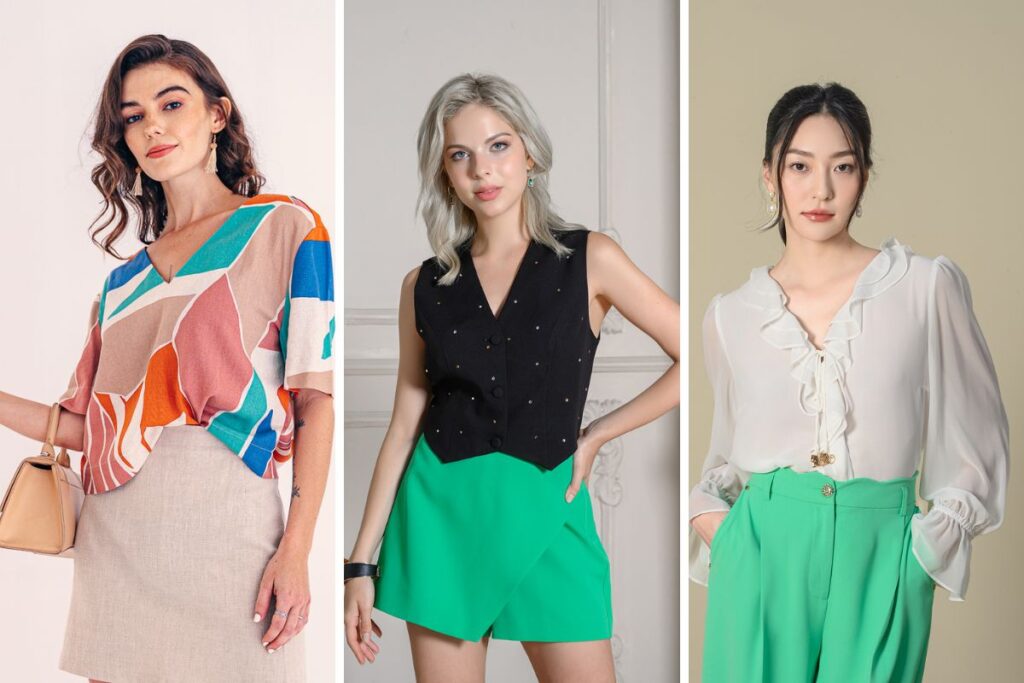
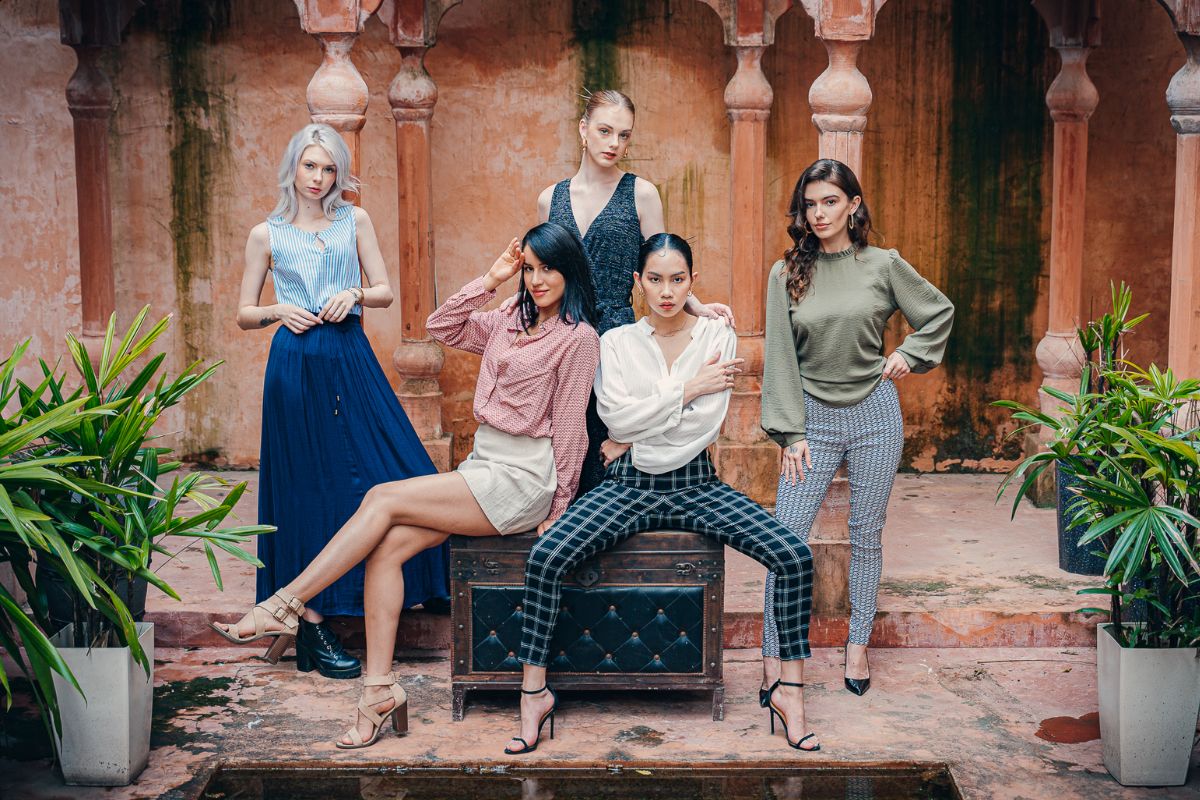
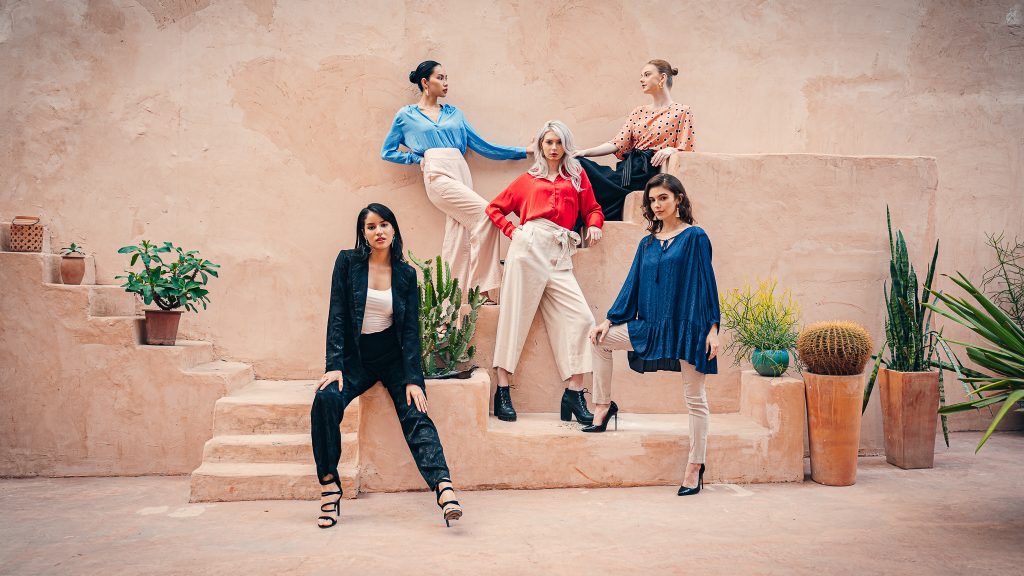
Capital World Group takes a proactive, integrated approach to avoid common production setbacks and keep your program on track. As a leading Vietnamese trendy apparel manufacturer, we offers multiple types of ladies’ clothing produced for mid-tier to premium women’s wear brands, ranging from women’s top, bottoms to women’s sets products. All is guaranteed to meet the standards in women’s apparel requirements and packaging compliances. Our apparel products page contains both knit and woven styles, showcasing our precise handling of different styles, fits, and fabrics with thoughtful fit & grading strategy, promising comfort for every occasions.

GP0058 scaled

Capital World Group was founded and established in 1967 and since then has grown into a vertically managed garment manufacturing company with its own fully owned production facility of 18 production lines staffed by over 800 employees.

As an ISO 9001-certified manufacturer, Capital World Group applies a vertical management solution from fabric inspection to in-line checks and final audits. The company also manages in-house sourcing, sampling, bulk production, and export logistics. This coordinated process reduces reliance on intermediaries, giving brands greater oversight, stable costs, and consistent quality.

Finding consistent, ethical, and cost-competitive women’s clothing manufacturers in Vietnam can be challenging. We founded Capital World Group, a wholesale women’s apparel manufacturer, to solve that problem for fashion brands like yours. With our experience, certified quality and end-to-end service, you gain reliable production, transparent pricing and on-time delivery every season. Let Capital World Group turn your next collection into a success story, contact us now.

Read More