Capital World Group
  • Shanghai
  • Taipei
  • Shaoxing
  • Hanoi
  • Nam Dinh
dresses model by capital world group

Women dress manufacturer | Capital World Group

In a market where speed, quality, and sustainability define success, choosing the right dress manufacturer in Vietnam is a strategic decision for fashion brands. Capital World Group has a history of womenswear labels since 2005 with a vertically integrated supply chain that optimizes cost, efficiency, and control from design to delivery.

Why partner with Capital World Group as your dress manufacturer?

Skilled craftsmanship

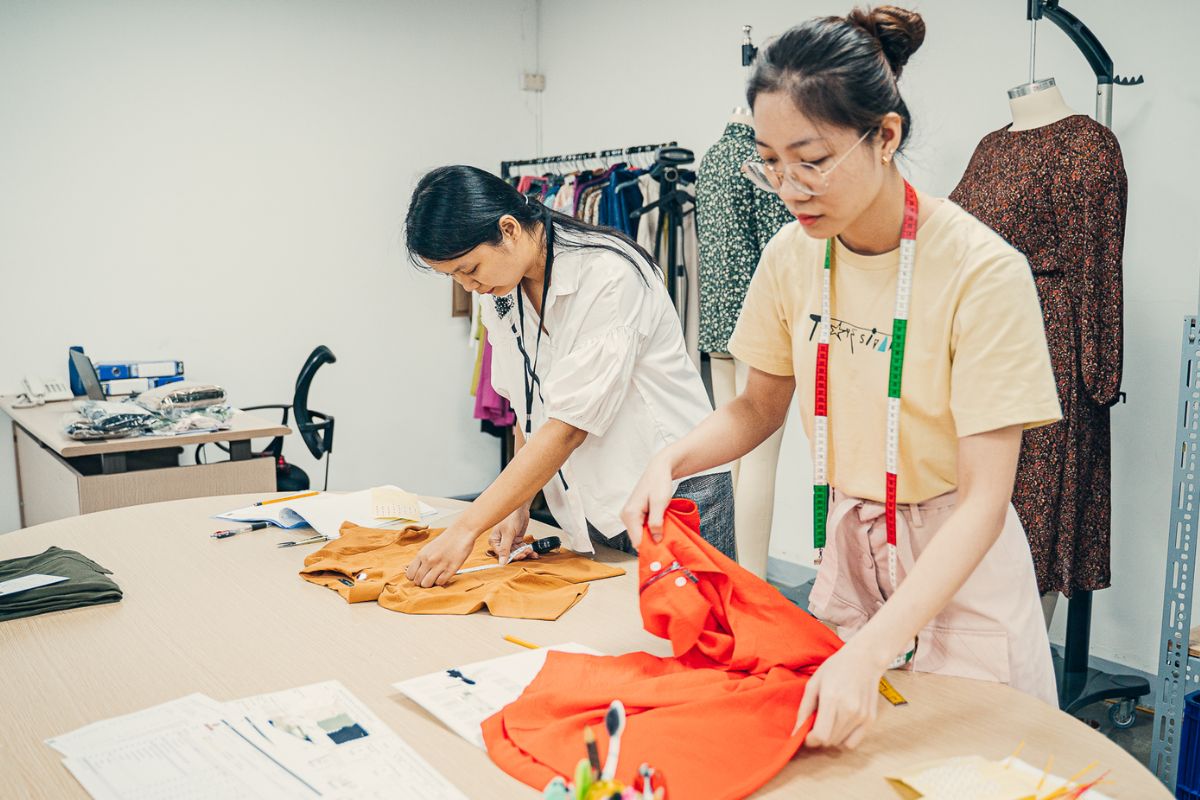
With more than 40 years of working with fabrics, Capital World Group’s technical teams possess comprehensive knowledge of diverse fabric types, from structured wovens to fluid knits. This expertise allows each project to deliver efficient, precise tailoring that meets aesthetic and functional goals.

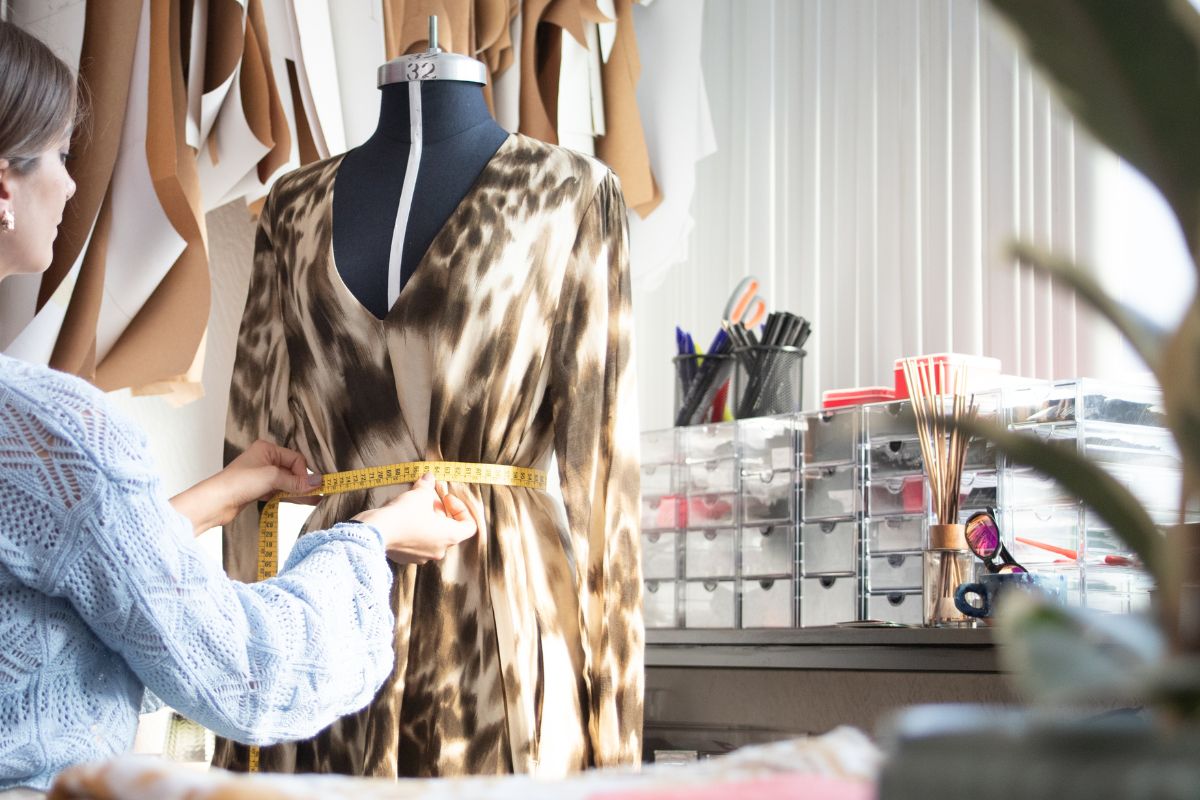
professional designers making clothes from materials in kiara garments factory

Combining experienced craftsmanship with modern machinery, the company produces consistent products quality that reflect both innovation and traditional garment-making discipline.

Sustainability

Sustainability is the compass guiding every garment produced under Capital World Group’s name. Each operation aligns with recognized global standards, including ISO 9001, Higg FEM, amfori BSCI and SLCP certifications.
The company’s approach integrates environmental stewardship with social responsibility, ensuring long-term value for clients and communities alike.

End-to-end supply chain

Through vertical integration, Capital World Group manages every process – from fabric and trim sourcing to pattern development, sampling, bulk production, quality assurance and export. This structure enables rapid 10-day sample turnaround, 500 samples per week and efficient logistics through Hai Phong Port (HPH) or Hanoi Airport (HAN).

The result: lower costs, shorter lead times and reliable quality control.

Why do dresses work for fashion brands?

Versatile in style 

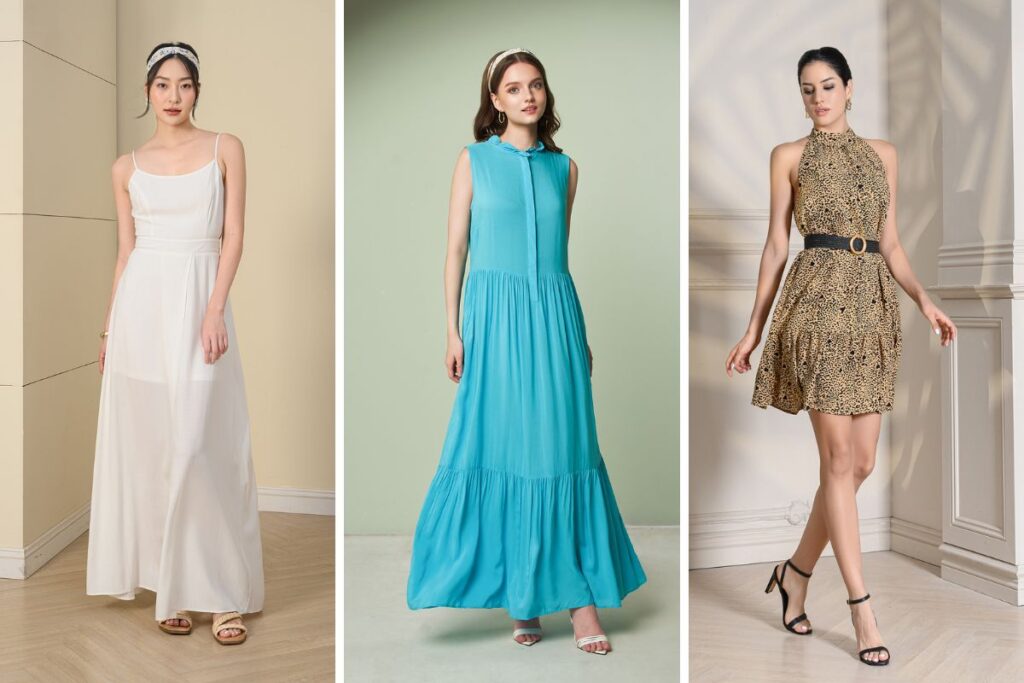
Dresses offer instant elegance without complex mix-and-match styling. They provide a complete, time-saving look, ideal for consumers who want refined simplicity with minimal effort – helping brands meet demand for modern, effortless fashion.

dresses by capital world group

Offer everyday comfort

Well-made dresses offer freedom of movement and comfort across settings, from work to leisure. They create a professional yet relaxed appearance without requiring formal wear, appealing to women seeking both practicality and polish.

Not only dresses, Capital World Group also specializes in women’s skirts manufacturing, giving versatile choices for women to elevate their beauty.

Seasonless appeal

Dresses have been worn by women for centuries, maintaining their timeless relevance across climates and cultures.

They adapt easily through the seasons: boots and coats in winter, sandals and hats in spring, making them suitable for everyday wear, the office, and special occasions alike.

Kiara Garments of Capital World Group – Professional dress manufacturer

As a trusted partner, Capital World Group serves global apparel brands seeking a Vietnam garment manufacturer with full supply-chain control and a proven commitment to responsible, end-to-end production.

Kiara Garments, part of Capital World Group’s vertically integrated network, specializes in women’s clothing manufacturing in Vietnam, including dresses, tops, skirts, pants and jumpsuits.

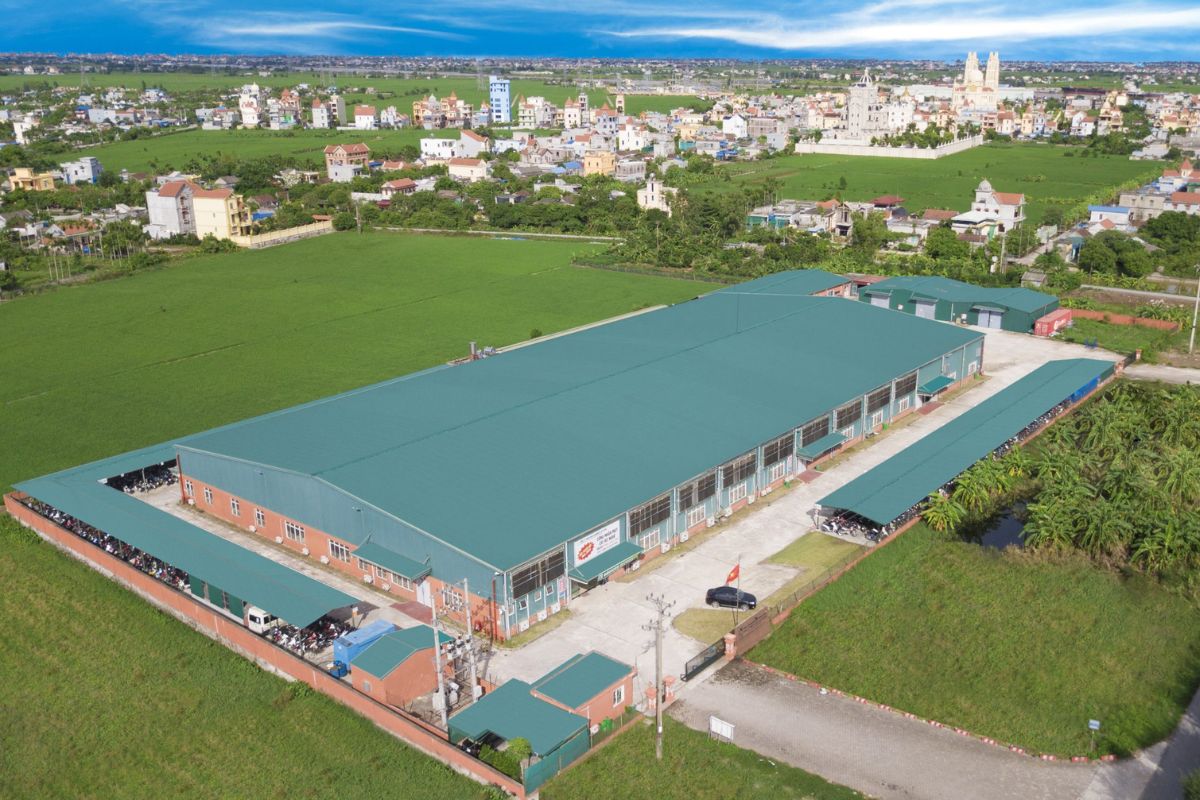
aerial view of kiara garments manufacturing factory capital world group

With a focus on precision, ethical manufacturing, and production efficiency, the facility ensures every collection meets global standards for quality and sustainability. Supported by advanced systems and a rigorous QA process, Kiara Garments provides dependable results for international fashion brands.

Read More
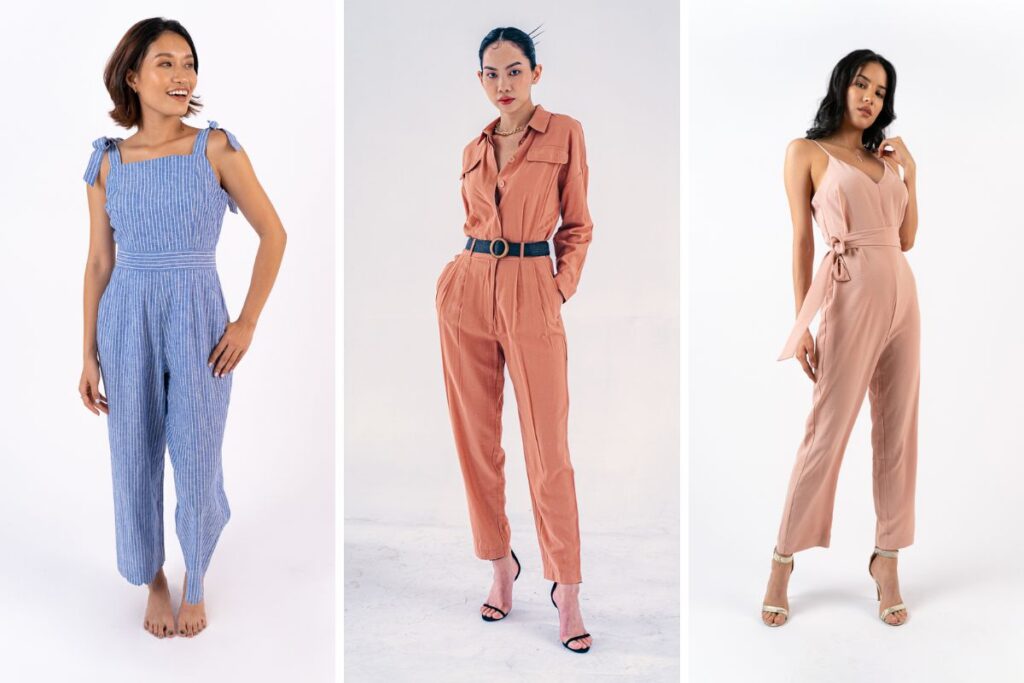
woman jumpsuit capital world group

Women jumpsuit manufacturer in Vietnam by Capital World Group

A jumpsuit is a one-piece outfit that seamlessly combines the top and bottom in one fluid silhouette. Loved for its comfort, style, and versatility, the women’s jumpsuit has become a wardrobe essential that suits both casual and formal occasions. Through our vertically integrated production system, Capital World Group ensures complete control over every stage from design and sourcing to manufacturing and export, providing reliable solutions for global brands seeking trusted women’s jumpsuit manufacturers in Vietnam.

Jumpsuit manufacturing process at Capital World Group

At Capital World Group, we offer a garment manufacturing process of an end-to-end manufacturing solution tailored for global fashion brands.

Design

Every great jumpsuit begins with a great concept, we bring our customers designs, sketches, and ideas alive based on each of their specific requirements.

clothes designing using technology on laptop

We offer a range of fabric samples for clients to select from, working with skilled technicians to develop premium fabrics that meet top industry standards. We stay ahead of market shifts and seasonal trends, ensuring that every collection feels modern, refined, and ready for global markets.

Production

Our women’s set manufacturing process combines precision, craftsmanship and advanced technology to ensure consistent results at scale:

  • Cutting & marking: After deciding how much fabrics to use for a jumpsuit, patterns are precisely cut to guarantee accurate fits by using a fit point approval checklist to minimize material waste.
  • Sewing: Experienced operators assemble each piece with meticulous attention to detail.
  • Embellishment & printing: Optional surface treatments and logo applications are executed with precision.
  • Pressing: Every garment is pressed to perfection for structure and lasting finish.

Each jumpsuit is designed to flatter every body shape, highlighting natural curves while maintaining a comfortable and confident fit.

Quality check

Capital World Group’s vertically integrated management model ensures strict quality control at every stage of production. Our team follows detailed QC procedures from fabric testing and measurement checks to final packaging to guarantee uniformity and reliability in every batch. This systematic process reflects Capital World Group’s ongoing commitment to quality, professionalism, and customer satisfaction.

woman checking quality of finished clothes

Logistics

Once approved, each product moves through our logistics division, where precision continues to drive performance. We handle packing and shipping, with consolidation available for Hai Phong Port (HPH) or Hanoi Airport (HAN).

Export documentation and Incoterms (FOB, CIF, DDP) are managed seamlessly, ensuring smooth and timely deliveries. Capital World Group’s logistics solutions help brands optimize cost and reduce lead time while maintaining full visibility across the supply chain.

Capital World Group – Your trusted jumpsuit manufacturer in Vietnam

Capital World Group is proud to be a trusted vertically integrated jumpsuit manufacturer serving global brands. Our full OEM services streamline production, reduce cost and accelerate time-to-market, allowing clients to focus on design and branding while we handle every stage of production.

Capital World Group specialises in ladies’ clothing manufacturing, producing competitive, high-quality women’s wear that meets global expectations for consistency and craftsmanship. Our factory Kiara Garments has been expanding production capacity while maintaining the highest standards in ethical manufacturing and customer service.

Read More
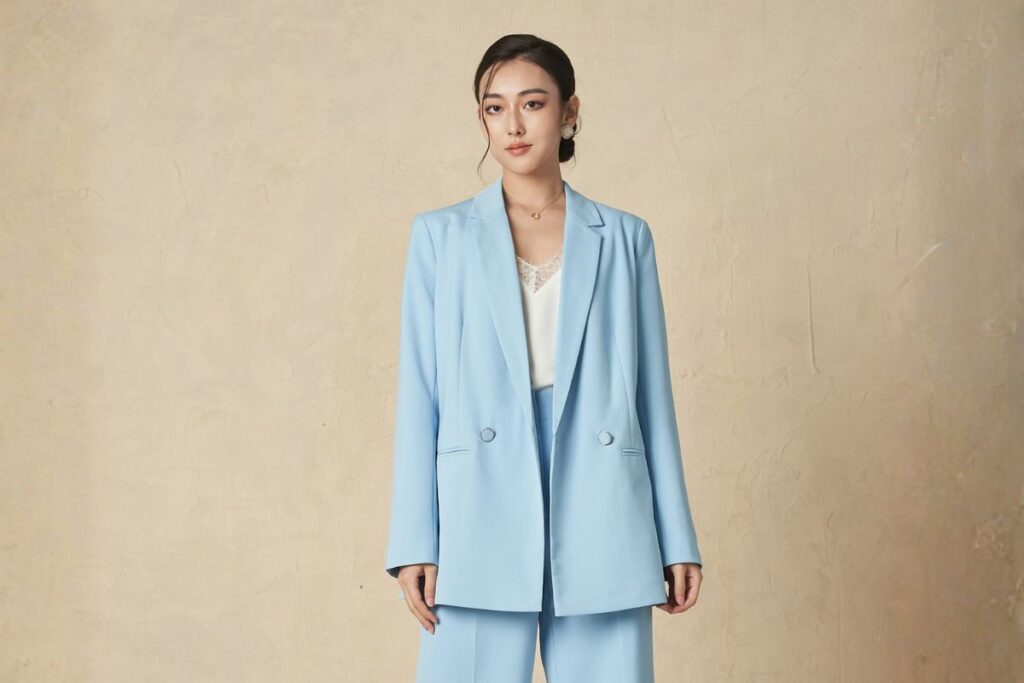
blazer by capital world group

Blazer manufacturer in Vietnam | Capital World Group

Capital World Group is a leading women’s clothing manufacturer in Vietnam, recognized for precision craftsmanship and trend-driven design. Our women’s blazers are produced by a skilled workforce dedicated to quality and innovation. Each piece blends elegant tailoring with comfort and durability, offering versatility for both professional and lifestyle collections. Capital World Group continually evolves with global fashion trends, ensuring every blazer reflects timeless style and modern appeal.

Premium garment manufacturer in Vietnam

As a premium garment manufacturer, Capital World Group offers an extensive range of fabrics and accessories directly at our factory to meet each client’s unique design vision.

Whether working with natural fibers or innovative blends, our materials ensure the perfect balance of style, comfort, and durability. Every fabric undergoes strict quality evaluation to guarantee superior results across all categories of women’s wear.

Sustainable certifications

Sustainability has become a defining direction in the fashion industry as consumers pay more attention to environmental responsibility. At Capital World Group, sustainability is the compass guiding every garment we produce.

Our processes focus on ethical sourcing, waste reduction, and energy efficiency. We are certified under ISO 9001, Higg FEM, amfori BSCI and SLCP, confirming our dedication to sustainable, transparent, and responsible manufacturing.

Precise OEM/ODM procedures

Each blazer product from Capital World Group is tailored to customer specifications through a precise OEM/ODM process that ensures accuracy and efficiency.blazer by capital world group garment manufacturer

Our in-house sample rooms can deliver prototypes in as little as 10 days, with capacity for ≈500 samples per week, helping clients refine collections quickly. With a standard lead time of around 90 days, we provide high-quality products while reducing production and delivery time.

Learn more about The differences between OEM vs. ODM vs. Private Label for your garment production.

Kiara Garments of Capital World Group – Professional blazer manufacturer

Capital World Group specialises in being a ladies’ clothing manufacturer producing competitive, quality women’s blazer.

As part of Capital World Group, Kiara Garments stands out as a professional women’s top manufacturer in Vietnam, combining skilled craftsmanship, modern equipment and ethical production. Our vertically integrated model gives us complete control over design, sampling, production and export ensuring speed, efficiency, and consistent quality.

Read More
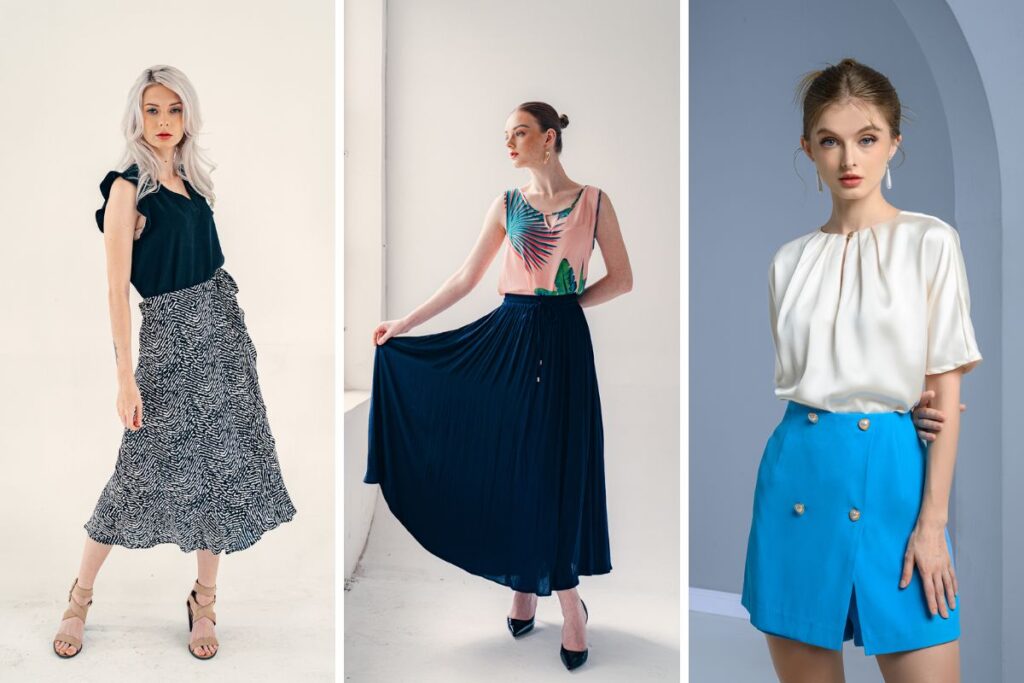
skirt for women capital world group

Women skirts manufacturer | Capital World Group

At Capital World Group, we take pride in being a trusted vertically-integrated ladieswear manufacturer, delivering women’s skirts that combine style, comfort, and durability. Every design is made to flatter, inspire confidence, and reflect refined craftsmanship. From concept to final production, we ensure excellence, consistency and attention to detail, qualities that make us a preferred partner for global fashion brands.

Women’s skirts by Capital World Group

Premium fabric materials

Our expertise begins with materials. Capital World Group focuses on selecting and developing premium fabrics perfectly suited for ladies’ fashion apparel.

Whether you require soft flowing viscose, structured cotton, or blended textiles with elasticity and sheen, our in-house team ensures every fabric aligns with your design brief, timeline, and cost objectives.

From apparel to home textiles, our vertically-integrated facility guarantees material consistency and dependable supply, supporting every creative vision with quality at its core.

Provide consistent quality standard

At the heart of our philosophy lies one simple value: the Customer comes First. Our commitment to consistent quality is reflected in every skirt we produce.  We specialize in both knits and wovens across a wide range of compositions and blends, maintaining the same refined craftsmanship that defines Capital World Group.

Each silhouette is carefully constructed to highlight the wearer’s natural curves, offering a flattering fit for all body types while upholding comfort and durability. Precision cutting, stitching accuracy and thorough quality control ensure each skirt meets international manufacturing standards.

Catch up with the latest clothing trends

Fashion evolves rapidly and so do we. The driving force behind our success as one of the leading women clothing manufacturers in Vietnam is our comprehensive understanding of market trends and consumer expectations. Our design and production teams stay in sync with global movements, ensuring each skirt reflects the latest styles and seasonal demands.

woman skirt model capital world group

From various waistline designs to contemporary lengths, unique textures and custom prints, we help brands stay relevant in an ever-changing marketplace. The result is a collection that feels both modern and timeless.

Not only skirts, Capital World Group also specializes in manufacturing women’s dresses, giving more choices for ladies to elevate their beauty.

6 common types of skirts produced

1. A-line Skirt

The A-line skirt features a fitted waist and gradually flares toward the hem, forming a classic “A” shape. This universally flattering style suits many body types and works well for casual, office, and semi-formal collections. It is commonly produced in woven fabrics such as cotton, denim, and polyester blends.

2. Asymmetric Skirt

An asymmetric skirt is defined by uneven hems, angled cuts, or layered details that create a modern and eye-catching silhouette. This style is popular in fashion-forward collections and contemporary designs. Manufacturing asymmetric skirts requires precise pattern making to ensure balance, consistency, and accurate proportions across different sizes.

3. Pencil Skirt

The pencil skirt is a slim, straight-cut style that closely follows the body’s natural shape, usually ending around the knee. It is widely used in professional and formal wear collections. Pencil skirts are typically made with structured or stretch fabrics to ensure comfort, clean lines, and ease of movement.

4. Pleated Skirt

Pleated skirts are characterized by evenly folded pleats that add texture, volume, and movement to the garment. They can range from classic to trendy designs depending on fabric and pleat width. Proper fabric selection and heat-setting techniques are essential to maintain pleat shape during wear and washing.

5. Maxi Skirt

The maxi skirt is a full-length style that extends to the ankles or floor, offering a relaxed and elegant appearance. It is commonly featured in casual, resort, and bohemian collections. Lightweight and flowing fabrics are often used to enhance comfort, drape, and visual appeal throughout the garment.

6. Midi Skirt

The midi skirt falls between the knee and ankle, creating a balanced and versatile silhouette. This style suits both casual and formal fashion lines and appeals to a wide customer base. Accurate length control and grading are important to ensure a polished look across all sizes.

Benefits of women’s skirts

Versatile

Women’s skirts remain one of the most versatile garments in fashion. From business meetings to relaxed holidays, formal events, or daily wear, skirts suit every occasion. We produce a wide variety of styles, such as long, short, A-line, asymmetrical, pleated, midi, or maxi to meet different consumer preferences.

Their adaptability allows easy coordination with other wardrobe items, helping women achieve an elegant and feminine appearance effortlessly.

Comfort

Comfort defines wearability. When using lightweight, breathable fabrics such as rayon, our skirts ensure freshness and ease throughout the day. Designed to prevent heat discomfort during warmer seasons, these skirts deliver a pleasant wearing experience without compromising on aesthetics.

Every pattern and cut is developed to offer a perfect combination of mobility, softness and flow, ideal for women who value comfort as much as design.

Stylish

A skirt is timeless. While materials and finishing techniques of a skirt are more complex than manufacturing women’s tops, the fundamental appeal of a well-crafted skirt endures through decades of design evolution.

It provides an elegant yet relaxed look, balancing structure with comfort. For many, finding a well-fitted skirt is simpler than sourcing tailored trousers, making it a wardrobe essential across generations.

Kiara Garments factory of Capital World Group – Professional women skirts manufacturer

Capital World Group specialises in ladies’ clothing manufacturing, producing competitive, high-quality women’s wear for brands worldwide. As part of Capital World Group, Kiara Garments factory represents our commitment to excellence in women’s skirt manufacturing.

aerial view of kiara garments manufacturing factory capital world group

With advanced machinery, skilled technicians, and strict quality management, Kiara Garments ensures that every apparel product aligns with global fashion standards while maintaining competitive pricing and sustainable practices. Contact us for OEM solutions to elevate your collection with reliable women’s skirts and women’s set manufacturer.

Read More
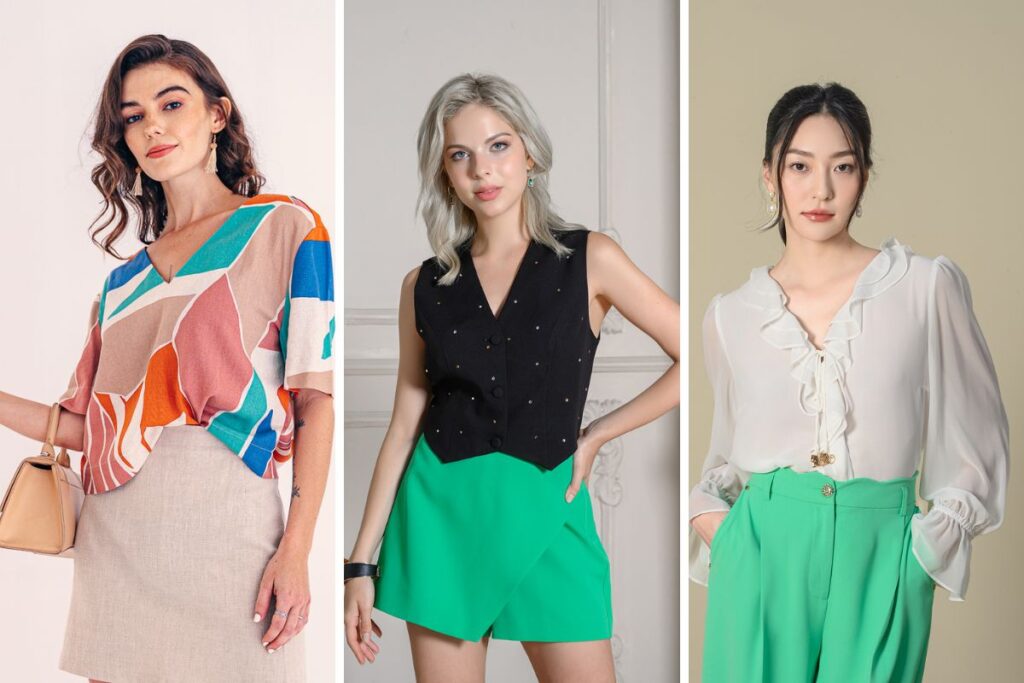
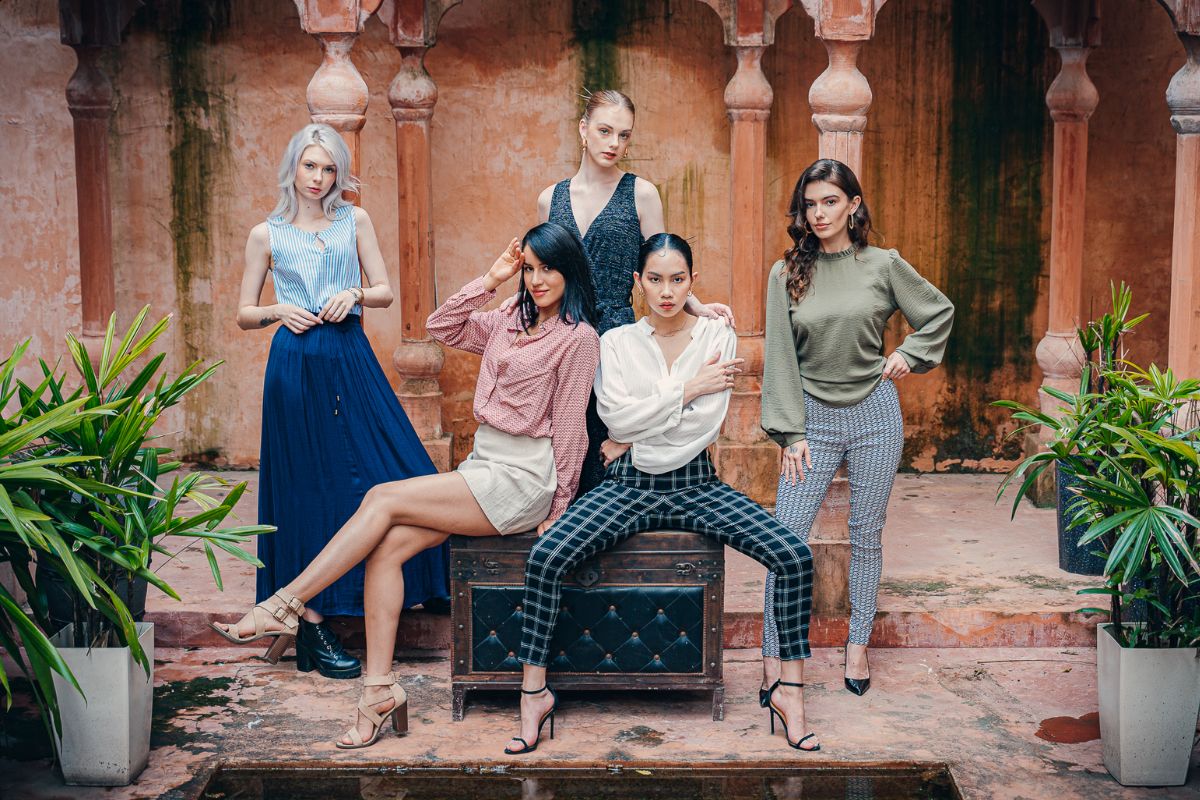
women top models

Women’s tops manufacturer in Vietnam: Capital World Group

Capital World Group (CWG) has been building its reputation in women’s wear manufacturing in Vietnam on consistency and craftsmanship. As a family-led women’s garment manufacturer, CWG develops everything from blouses to refined formal pieces and dresses, giving retailers access to a complete range of styles.

Headquartered in Hanoi with a state-of-the-art factory in Ninh Binh, Capital World Group leverages Vietnam’s booming garment industry (with textile exports of about $44 billion in 2024) to deliver competitive, high-quality women’s wear.

High-quality materials

Capital World Group has always taken a fabric-first approach, focusing on both sourcing and development. Since the late 1980s, CWG has supplied premium fabrics and today works to deliver everything from basic cottons to high-tech jerseys and jacquards. This expertise allows us to create women’s top collections and trendy clothes that balance style, comfort, and durability.

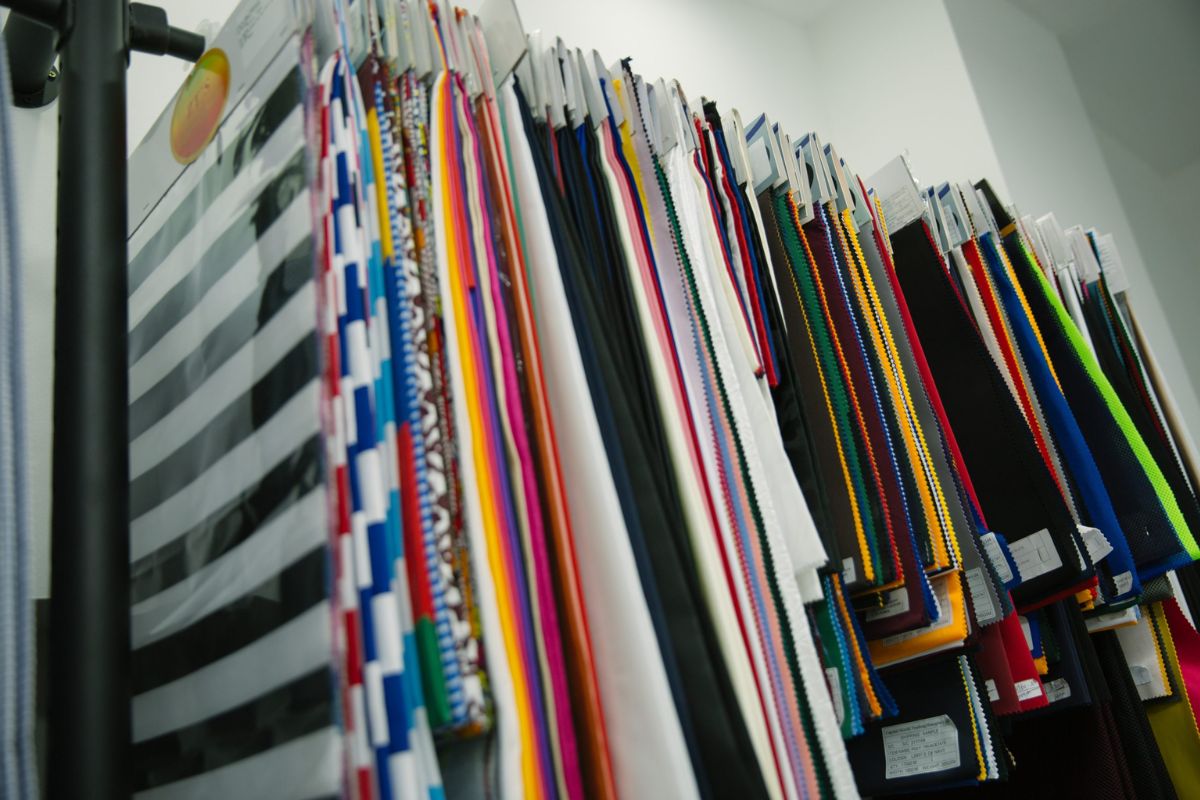
premium fabric display capital world group

Sustainability is central to our manufacturing business model. Our facilities are ISO 9001 certified and aligned with Higg FEM, amfori BSCI, and SLCP standards. We also source RCS-certified recycled textiles, FSC-certified viscose, and BCI cotton. With these practices, CWG produces stylish and responsibly made garments.

Precise tailoring

With more than 40 years of heritage, Capital World Group has grown into a trusted women’s clothing manufacturer in Vietnam with expertise rooted in experience. That long history remains our pillar of strength, shaping the know-how we bring to every project. At our Vietnam facilities, skilled craftsmanship drives production of both woven and knit garments, ensuring a consistent quality standard.

As a dedicated women’s tops manufacturer, we focus on creating pieces that fit well across different body types. Each cut, seam, and finish is designed to highlight natural curves while providing everyday comfort and reliable consistency in every order.

Keep up with the trends

Fashion moves quickly, and brands need partners who can keep pace. Capital World Group works directly with clients to turn sketches into ready-to-produce samples. Each woman’s top is developed with current styles and buyer preferences in mind, helping retailers bring collections to market that feel timely and competitive.

Design is another key aspect at the heart of our work. From unique necklines and statement sleeves to intricate embroidery and carefully placed prints, every detail is chosen to capture the eye of fashion-conscious shoppers.

women clothes designs 1

The result is a wide variety of trendy clothes suited to different occasions. Retailers can choose from:

  • Casual camisoles
  • Stylish blouses with lace or ruffles for social wear
  • Elegant button-downs or tunics for office and evening settings.

Each piece balances modern design with practical wearability.

Strong compliance and sustainability standards

Capital World Group complies with multiple international standards for quality, environmental management, and social responsibility, including ISO 9001, Higg FEM, amfori BSCI, and SLCP. This compliance gives global fashion brands confidence when selecting a women’s tops manufacturer that delivers not only well-designed products but also upholds ethical labor practices and environmental responsibility.

Kiara Garments Factory of Capital World Group – Professional Women’s Top Manufacturer

Opened in 2016 in Ninh Binh, Vietnam’s textile hub, Kiara Garments is Capital World Group’s dedicated production arm. The facility is 100% owned and operated by CWG and was built specifically for ladies’ knit and woven apparel. With 18 production lines and an 800-person workforce, Kiara Garments offers the scale to support large global programs while maintaining precision and quality.

aerial view of kiara garments manufacturing factory capital world group

The factory’s capabilities include fabric sourcing, pattern making, sampling, and bulk cutting, supported by automated systems and lean processes. Certified to ISO and amfori BSCI standards, Kiara Garments reflect Capital World Group’s commitment to compliance and sustainability.

If you are facing sourcing pressures on speed, cost, or compliance, this specialist women’s tops manufacturer provides an integrated solution, from design and sampling to production and logistics. This ensures efficiency and quality. Contact us to start your partnership today.

Read More
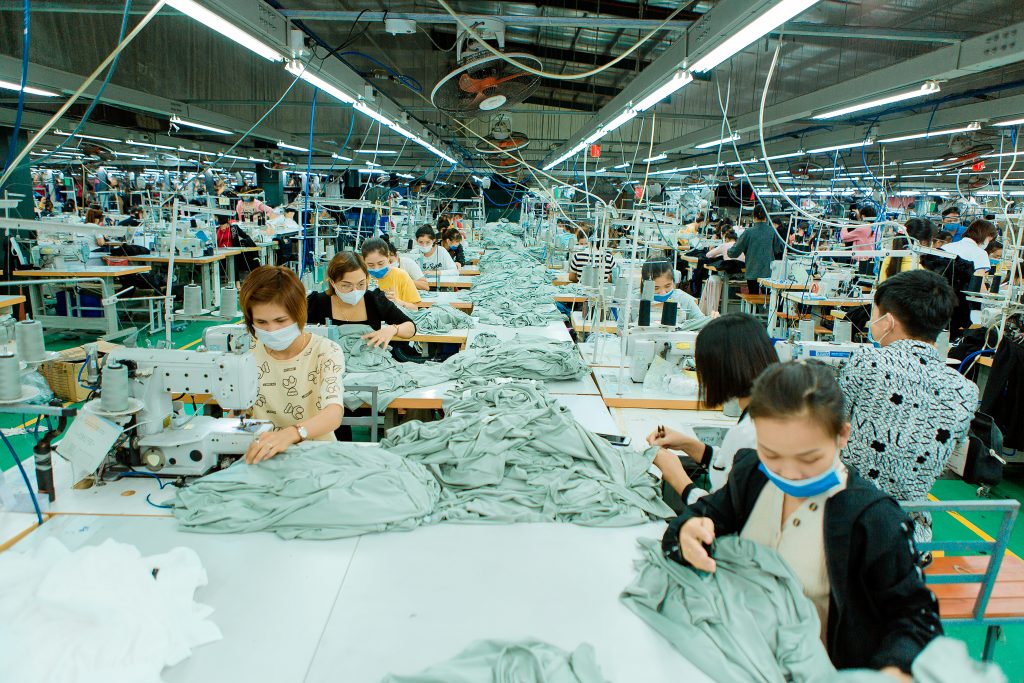
operation at ladies’ wear factory in Vietnam

How to find a textile manufacturer in Vietnam?

Vietnam textile manufacturers have played a major role in the country’s shift into a leading apparel sourcing hub. Over the past few decades, global brands have turned to Vietnam for its growing expertise and reliable production base. The textile industry is now a global cornerstone of the economy and a key partner for fashion sourcing teams. This guide highlights practical ways for your brand to find and evaluate the right suppliers in Vietnam through various methods.

Where to find a textile manufacturer in Vietnam

Finding the right supplier often means combining online research with real-world networking. Brands typically use multiple channels, such as search tools, trade fairs, and personal contacts, to pinpoint quality producers.

Online platforms

The internet is a quick way to find textile suppliers. You can use search engines and trade directories like the Vietnam Textile and Apparel Association (VITAS), the VietnamExport portal, and Statista for company listings and industry data.

Many Vietnamese factories maintain LinkedIn profiles or Facebook pages; so following manufacturer groups and official social accounts can reveal new leads. Online sourcing platforms can also make it easier to find potential suppliers and review their capabilities.

Attend industry events and exhibitions

Manufacturers often present their latest capabilities at major trade fairs. In Vietnam, key events include VIATT (Vietnam International Apparel, Textile and Technologies Expo) and SaigonTex, both regularly hosted at the SECC convention centre in Ho Chi Minh City. These exhibitions showcase new fabrics, machinery, and techniques.

Visiting in person lets buyers meet dozens of garment manufacturing suppliers at once and see sample work firsthand. Networking at shows also helps establish personal connections, making it easier to compare partners and ask detailed questions.

Work with local sourcing agents

A sourcing agent in Vietnam understands language and culture, can arrange factory visits, and handle negotiations on your behalf. Agents give practical, on-the-ground support for sourcing garment factory partners and monitoring production. Their services reduce the risk of miscommunication or quality lapses, though they come at a price: commissions or fees added to factory rates. For many brands, especially when entering a new region, the reliability and time saved outweigh the added expense.

Building networks

Personal connections remain one of the strongest ways to identify good suppliers. Recommendations from other brands, fashion associations, or industry forums often lead to reliable factories and better terms.

Local buyers and trade contacts can also point to manufacturers that are less visible online but deliver consistent results. Local connections also build trust, as factories may offer more competitive pricing or priority to well-connected buyers who come through a solid introduction.

Factory visits

Vietnam’s main manufacturing hubs are in Ho Chi Minh City (and nearby Dong Nai and Binh Duong) and the Hanoi area (Ninh Binh, Hai Phong). Touring factories on-site allows teams to inspect equipment, quality control systems, and working conditions directly. On-the-ground evaluation reveals a factory’s real capacity and standards.

For example, visiting a garment factory lets you confirm production processes and verify compliance with your brand’s requirements. Meeting managers face-to-face helps establish rapport and assess whether the partner is a good long-term fit.

IMG 7273

Capital World Group, one of the leading women’s clothing manufacturers in Vietnam, welcomes sourcing teams to visit its Kiara Garments facility in Ninh Binh. As a trusted Vietnam garment manufacturer, Capital World Group serves global apparel brands that value transparency and certified production. A factory visit offers direct assurance that our manufacturing processes meet international standards.

Let’s dive deeper into the 5 non-negotiable tips on how to choose a women’s wear manufacturer.

Textile and garment industry in Vietnam

Vietnam’s garment and textile sector remains a key economic engine. Its export value reached about US$44 billion in 2024 (up 11% year-on-year). The industry is organized into upstream (fiber production), midstream (fabric production and dyeing), and downstream (garment manufacturing) segments.

Vietnam textile manufacturers are overwhelmingly focused on apparel, VITAS reports show that:

  • Roughly 70% of the country’s 3,800+ textile factories make garments, while only 6% produce yarn.
  • 17% produce fabric and 4% handle dyeing.

These figures highlight Vietnam’s strength in garment output. For more details on Vietnam and other manufacturing hubs, check out this guide on the biggest clothing manufacturing countries in 2025.

What are the potential opportunities for Vietnam’s textile manufacturers?

Vietnam is solidifying its position in global sourcing through strategic policy and market trends. New trade agreements, sustainability initiatives, and workforce improvements create fresh openings for Vietnam’s suppliers.

Global trade agreements

Free trade deals have dramatically improved Vietnam’s market access. Under the EU–Vietnam FTA (EVFTA), 100% of Vietnam’s textiles will eventually enter the EU at zero tariff.

Recently, Vietnam has expanded market reach: in the first 10 months of 2024, Vietnam’s textile and apparel exports hit US$30.57 billion (up 10.5% over last year) with about 16% going to CPTPP markets.

These agreements let Vietnam’s textile industry offer tariff-free access to major economies, making Vietnamese goods more price-competitive. EVFTA and CPTPP provide strong momentum for Vietnam’s exporters by reducing costs for European and Pacific buyers.

Sustainable production practices

Vietnamese manufacturers have stepped up eco-friendly production to meet strict global standards. Many factories now hold international certifications like OEKO-TEX®, GOTS, Global Recycled Standard (GRS), and Fair Trade. For more information on the standard certifications, check out this guide of how to achieve BSCI, WRAP and GOTS certifications.

These labels assure buyers of safe materials, ethical labor, and low environmental impact. In effect, Vietnam is building a pool of sustainable textile suppliers that appeal to brands with strong corporate social responsibility policies. This compliance with green standards strengthens Vietnam’s appeal as a responsible sourcing destination.

High-quality workforce

Vietnam’s expanding and improving labor force is another asset. In 2024, about 53 million working-age people were in the labor pool; an increase of roughly 575,000 from the previous year, with 51.9 million employed. Employment rose by about 1.1% year-on-year, while unemployment remained low at 2.2%.

The government is also reforming training and labor policies, updating vocational education, wage systems, and labor relations to meet modern demands. These changes are creating a more skilled and stable workforce. This helps strengthen Vietnam textile manufacturers, improving the quality and reliability of their production teams.

Together, robust trade agreements, sustainability commitments, and a capable workforce make Vietnam highly competitive in global sourcing.

For fashion brands seeking a partner that brings these advantages together, Kiara Garments of Capital World Group offers a vertically integrated supply chain that reduces cost and boosts flexibility, helping brands grow with confidence.

aerial view of kiara garments manufacturing factory capital world group

Capital World Group – A reliable textile manufacturer in Vietnam

If you are searching for a reliable textile manufacturer in Vietnam, Capital World Group provides the stability and end-to-end control that global brands value. Founded in 1967, this group operates 18 production lines and employs over 800 skilled staff, offering the scale, experience, and consistency needed for long-term sourcing partnerships. Its vertically integrated operations,  covering fabric sourcing, sampling, bulk production, quality control, and export, help brands shorten lead times, reduce operational risk, and maintain cost efficiency.

Capital World Group is recognized for dependable quality, strong compliance, and deep expertise in knit and woven ladieswear. Backed by ISO 9001, Higg FEM, amfori BSCI, and SLCP credentials, along with flexible MOQs, fast sampling timelines, and efficient shipping through northern Vietnam ports, the group serves as a customer-focused manufacturing partner for brands seeking reliable textile production in Vietnam.

Contact us today for a consultation on finding the right textile manufacturing solution in Vietnam, from sampling and materials to bulk production and export.

Read More
sewing in Kiara Garments Factory

What is the garment manufacturing process?

The apparel manufacturing process begins with an idea and ends with a finished garment ready for market. Turning a sketch into reality requires technical skill and a sharp sense of market demand. Each step is designed to ensure the piece meets quality expectations. Keep reading to learn more about the main steps in the garment manufacturing process.

Fabric preparation

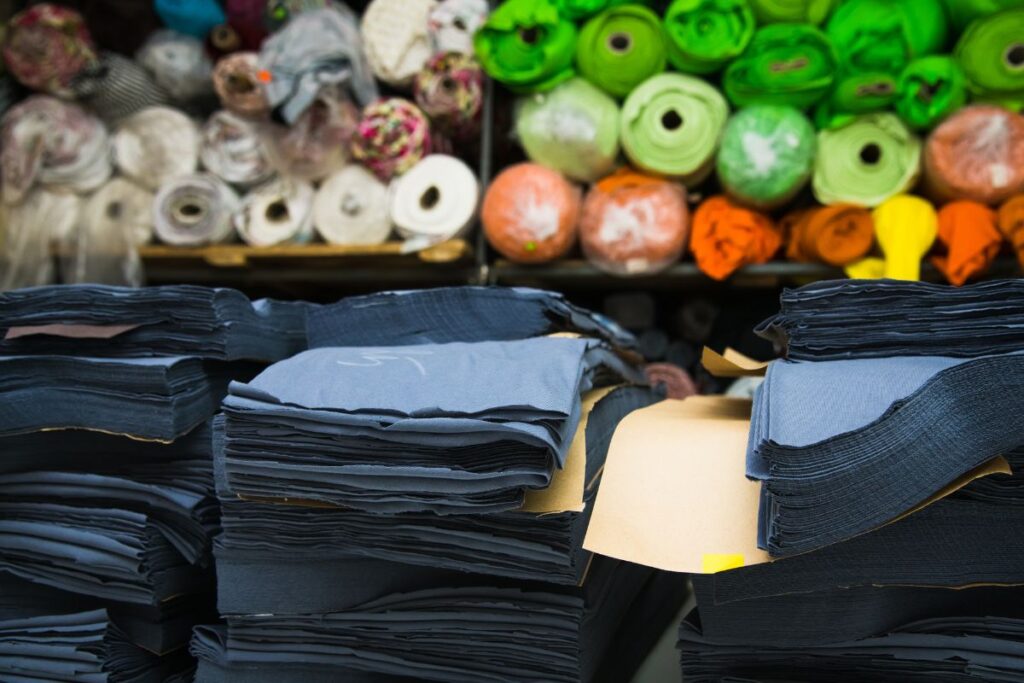
Before garments are produced, fabric undergoes a detailed preparation stage. The way this is managed has a direct impact on durability, color depth, and overall finish. Each decision – whether in fiber choice, weaving method, or textile dyeing – affects how the final garment looks and performs. When handled correctly, the fabric develops the strength, consistency, and texture needed to stand up to everyday use and maintain its appearance over time.

1. Fiber selection and preparation

The first step is choosing fibers that deliver the qualities a brand wants. Work often begins with a fabric supplier, who provides options ranging from cotton and polyester to wool and silk. Each fiber has distinct characteristics: cotton is breathable, while polyester adds strength and resilience. Wool retains warmth, and silk gives a refined finish.

Before spinning, raw fibers are cleaned thoroughly to remove dirt and impurities. Blends like cotton with polyester are also created to balance softness with durability, giving manufacturers flexibility in meeting specific design and performance goals.

Moisture levels are also adjusted to around 50-60% relative humidity for cotton. This prevents static, minimizes breakage, and helps the fibers spin evenly.

2. Spinning the yarn
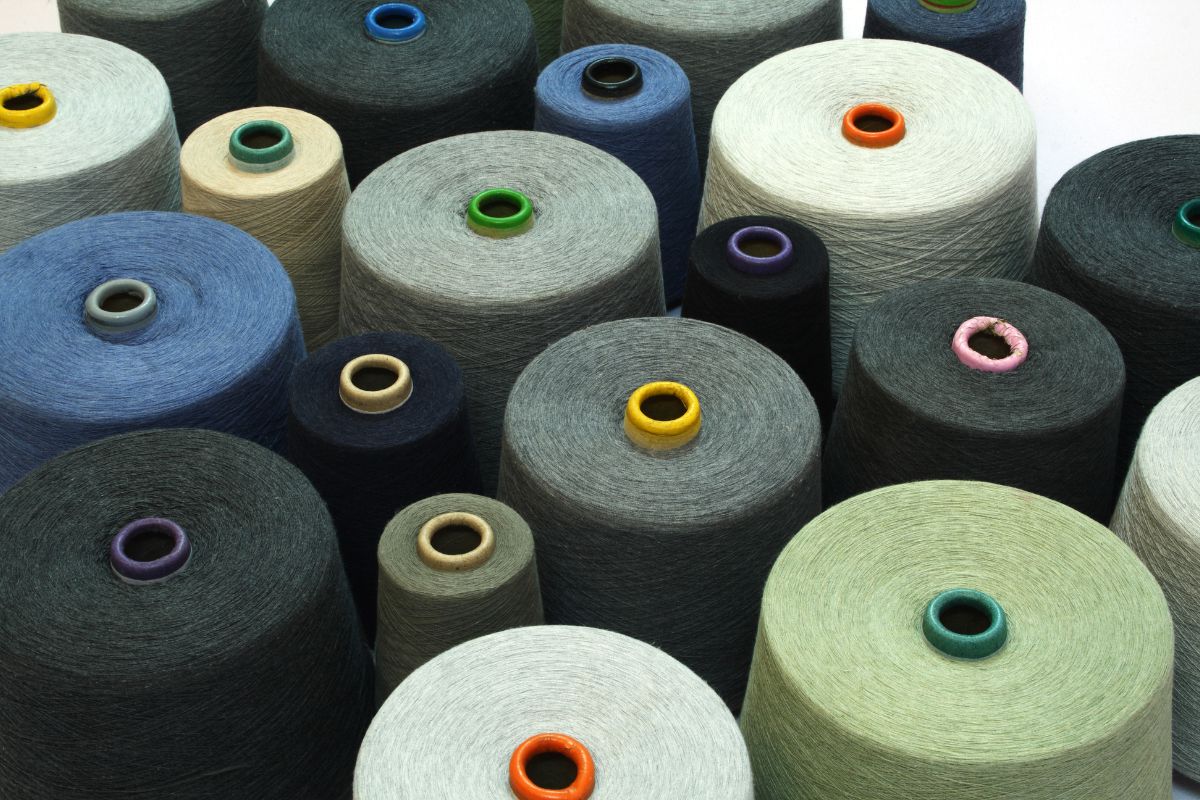
fibers are spinned into yarns rolls

Once prepared, fibers are carded; that is, aligned into a continuous strand called a sliver. The sliver is twisted into a thinner roving and spun tighter to produce yarn with the desired thickness and strength.

Mills can control yarn weight and performance by adjusting spinning speeds and twist levels. The finished yarn is wound onto spools or cones for storage.

3. Fabric formation

Yarn is made into fabric using several techniques:

  • Weaving places warp and weft threads at right angles on a loom to produce a firm, balanced cloth.
  • Knitting relies on needles or machines to build loops that link together, creating a fabric with natural stretch.
  • Non-woven materials take a different route: loose fibers are layered and bonded through heat, pressure, or adhesives. This stage is often described as the key fabric-to-apparel step, as yarn becomes usable fabric.

4. Dyeing or printing

Color and pattern bring fabric to life. In textile dyeing, materials can be treated in batches, passed continuously through dye baths, or dyed after the garment is completed.

Printing, however, applies surface designs instead of coloring the whole textile. Techniques like screen printing, digital printing, or heat transfer add bold patterns to fine logos.

Apparel manufacturing process

Turning fabrics into finished garments is a structured yet highly creative process. Each stage builds on the last, with checks to ensure durability and market-ready quality.

1. In-house sampling
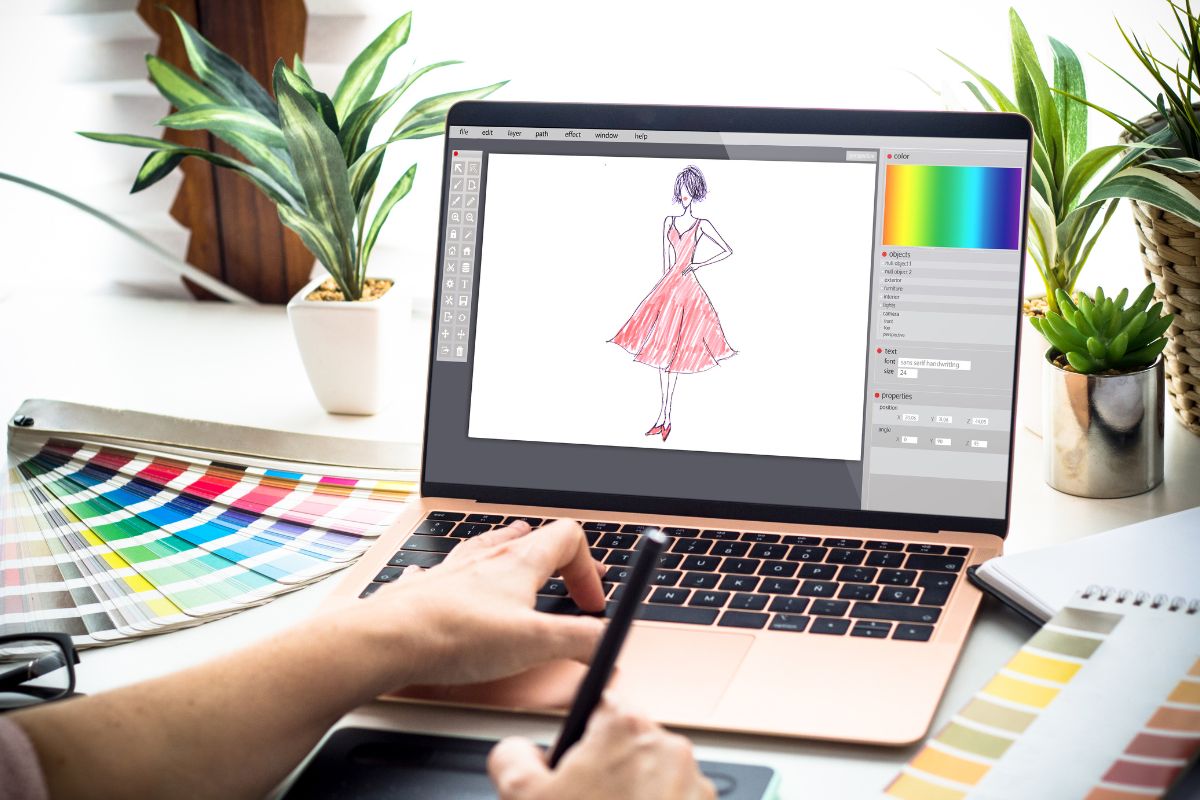
clothes designing using technology on laptop

Production begins in the design room, where teams study market trends and draft sketches by hand or computer.

These ideas are translated into detailed tech packs, graded patterns, and size sets, essential pre-production documents that guide cutting and construction. In-house sample rooms are then used to create prototypes.

Each cut piece is checked carefully for fit points approval, and fabrics are inspected for flaws before moving forward. This stage ensures the design, pattern, and selected materials produce the fit and finish intended.

2. Cutting and marking

After the sample is approved, fabric is laid out in layers and marked with pattern guides. Many workshops use CAD systems to direct automated cutters, producing panels with consistent precision. Sleeves, bodices, and other parts are measured to exact dimensions, allowing maximum use of fabric while minimizing waste.

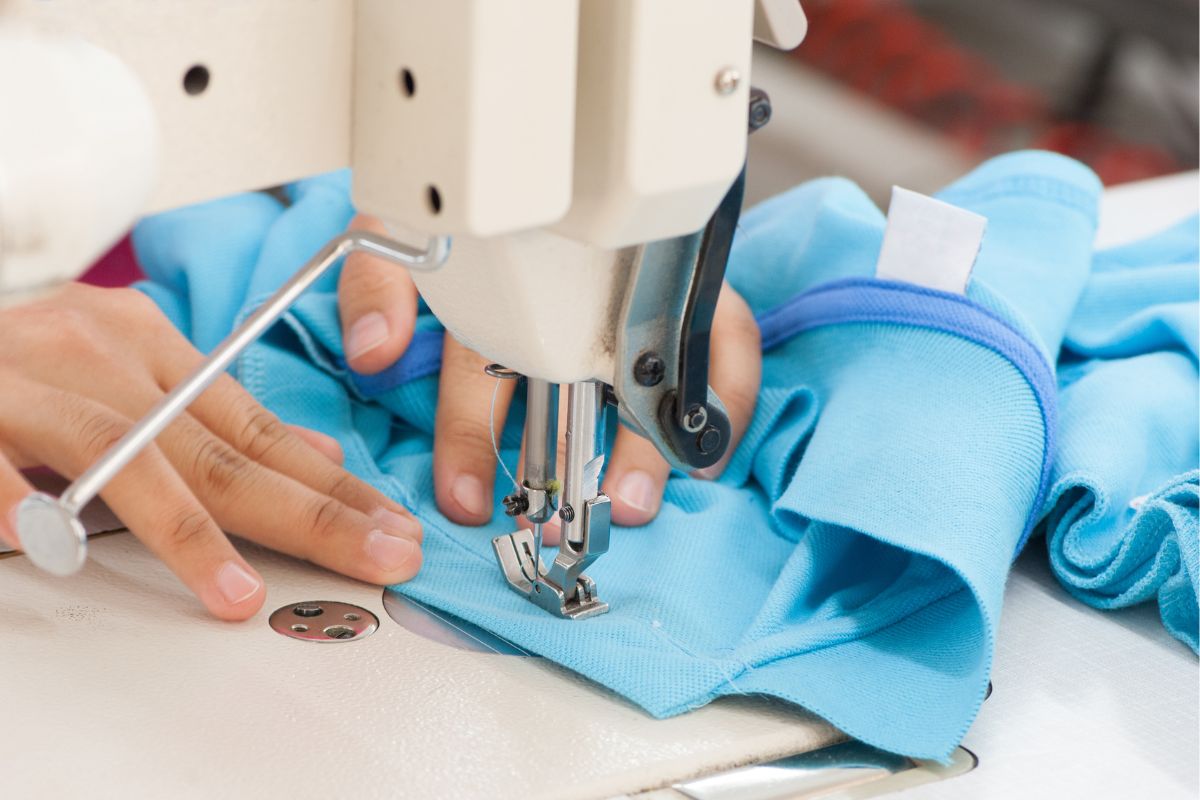
3. Sewing
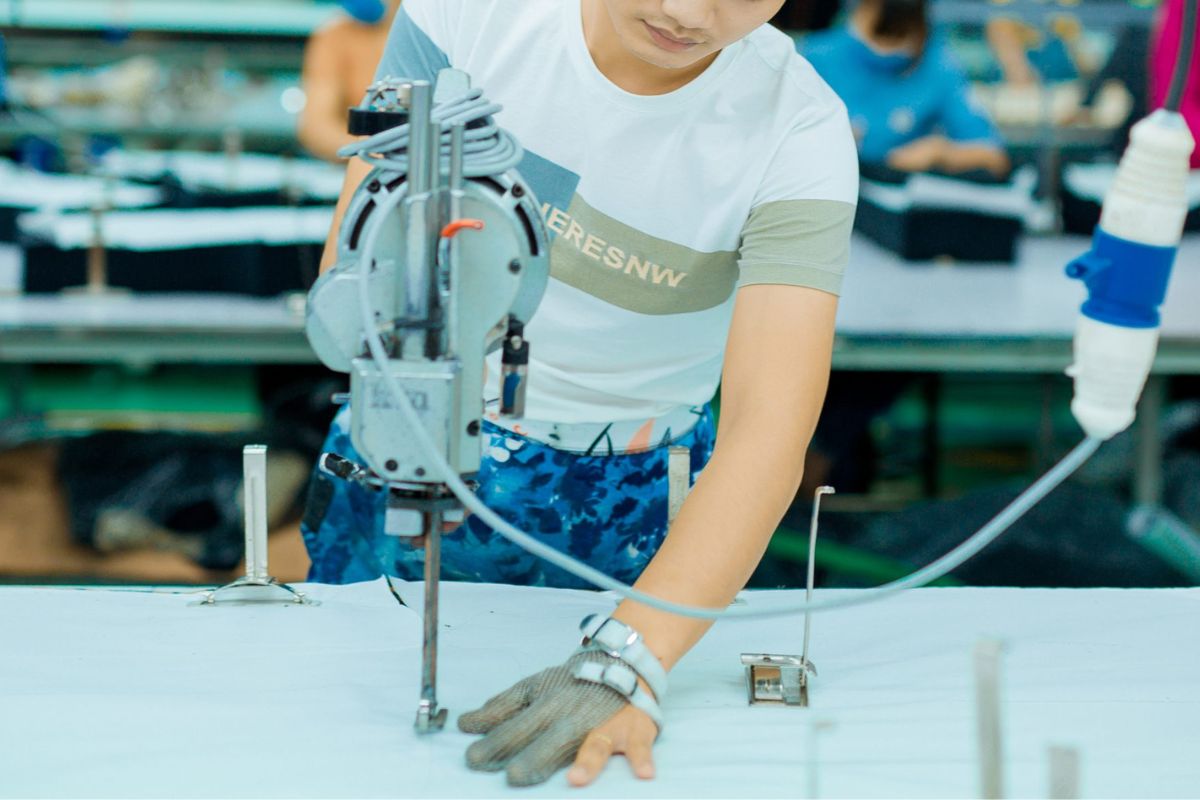
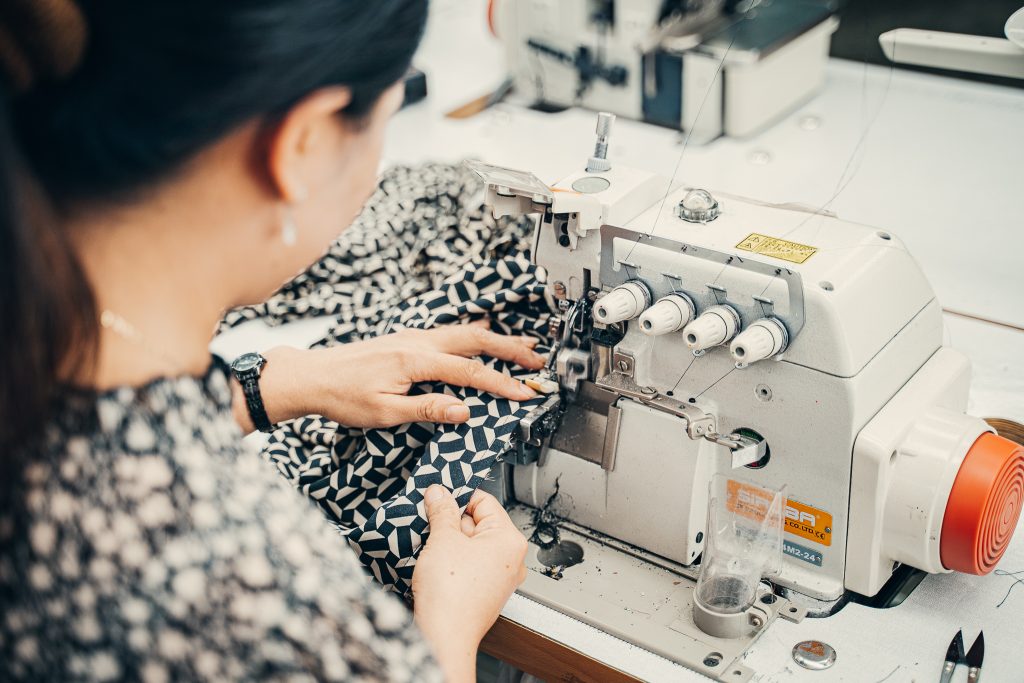
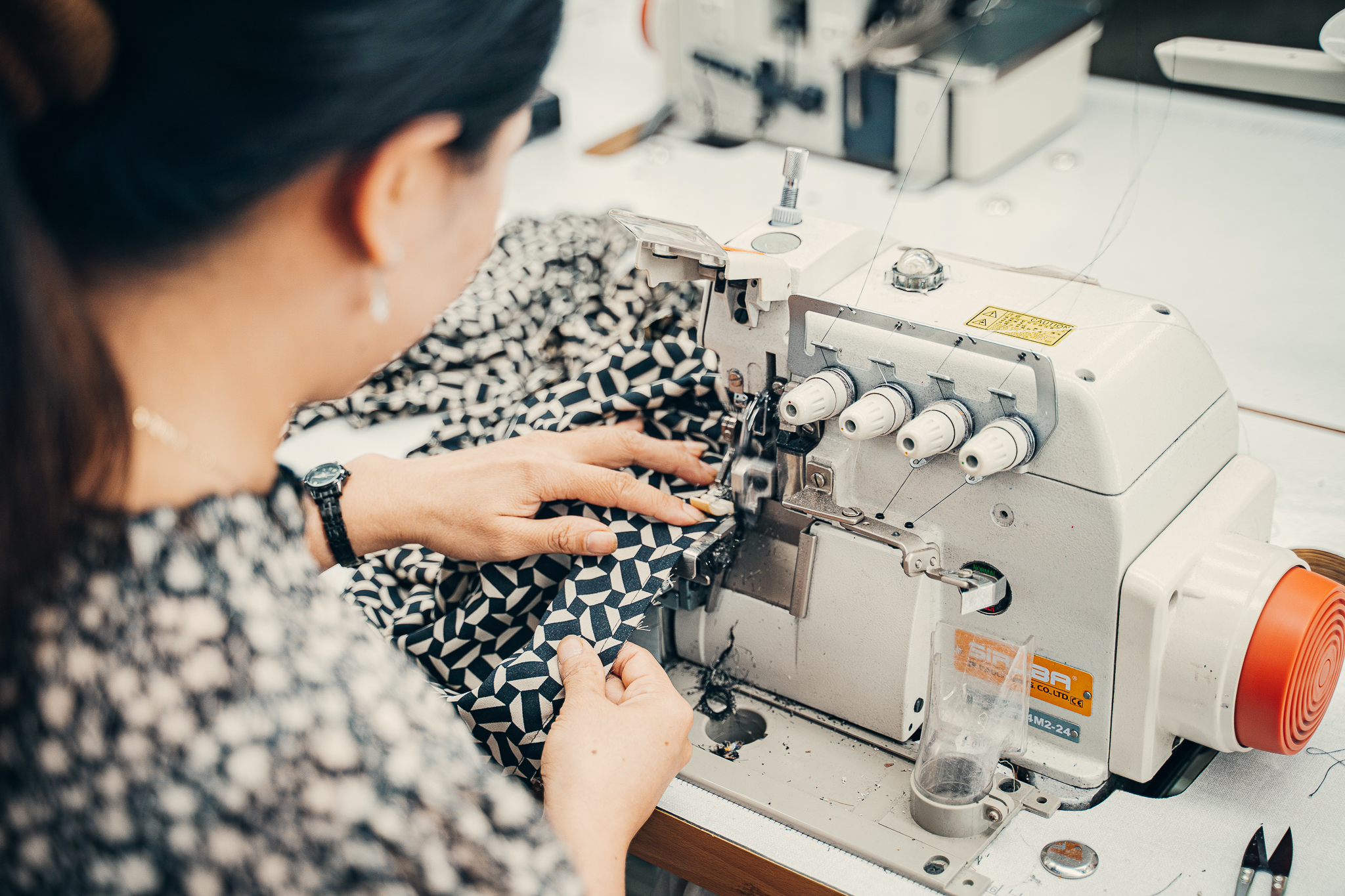
sewing fabric by skilled worker in kiara garments factory

Panels are then joined by trained machinists, with stitching methods chosen to match the properties of the fabric.

Straight stitches hold basic seams, zigzag stitches give elasticity to stretch fabrics, while buttonhole stitches reinforce fastenings.

Choosing the right thread and needle is critical; light cotton, for example, requires a fine needle and matching thread.

Operators perform seam inspections throughout this stage to ensure strong, uniform stitching. Early checks identify issues such as skipped stitches or uneven tension before production continues.

4. Trimming

Loose threads and fabric scraps are cut away to give the garment a tidy finish. If there are exposed edges, they are secured with overlocking or binding, especially at points that take strain. At this stage, inspectors also review the seams to confirm they are neat and defect-free.

5. Embellishment and printing

The garment can now be personalized or branded. Common additions include embroidery, screen prints, appliqué, and foil designs.

Functional items such as zippers, buttons, snaps, and labels are also fixed in place. Pockets must align correctly, and fastenings are reinforced so the garment remains durable and wearable.

6. Pressing and finishing
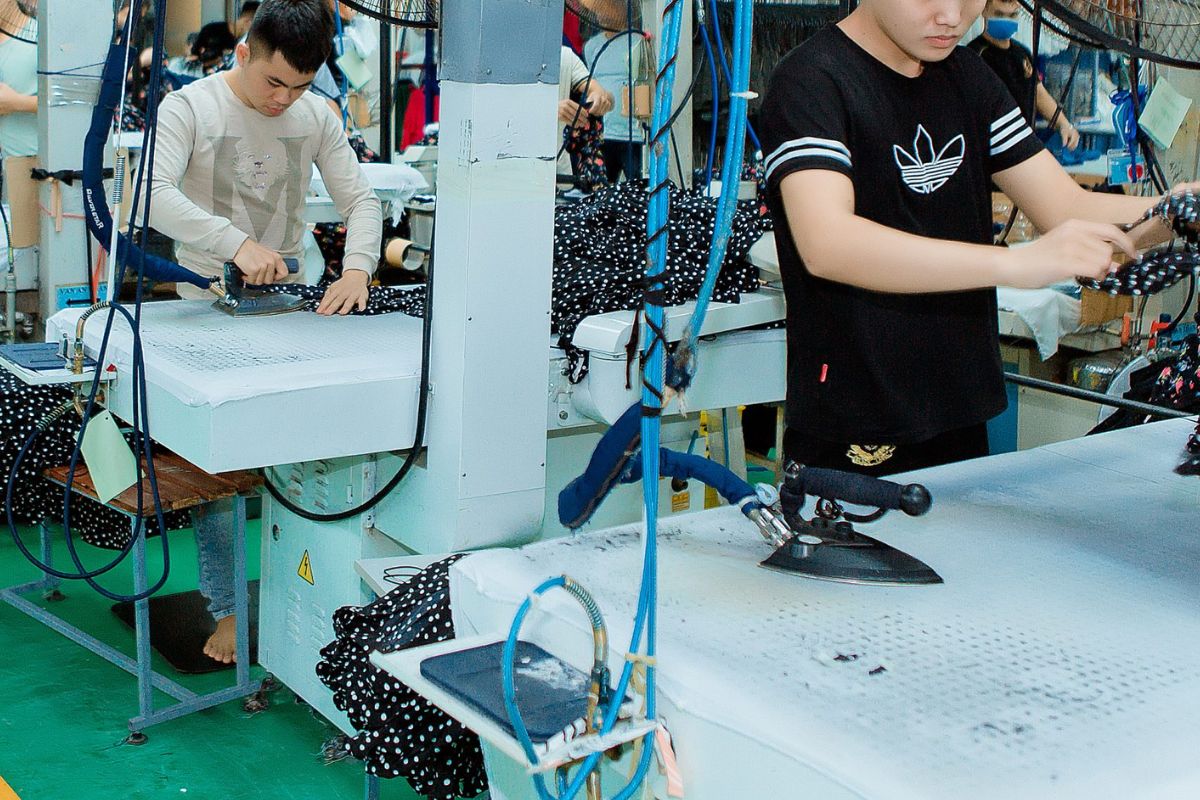
pressing finished clothes in kiara garments factory

Pressing sets the garment’s final shape. Press teams use industrial irons, steam tunnels, and spot presses to smooth seams, open pleats, and lock creases at the correct temperature and dwell time.

Finishing details for clothes like stitch lines are also flattened, collars and cuffs are shaped, and shine is prevented with covers or vacuum tables. The next line is labels and tags; brand, size, and care are fixed exactly as the tech pack specifies, with placement tolerances checked in millimeters.

Before goods move to packing, inspectors perform a final quality check. They look for loose threads, skipped stitches, puckering, shade variation, print alignment, and off-spec measurements. These quality control procedures form a critical safeguard. They help brands maintain consistency and reputation.

Capital World Group’s strict quality control process, certified to ISO 9001 and audited under Higg FEM, amfori BSCI, SLCP, and other standards, delivers consistent, defect-free output.

7. Packing

At the packing stage, pieces are folded to the approved template, wrapped in tissue where required, sealed in polybags with size stickers and desiccants, and sorted by size/color into barcoded cartons.

The packing list, commercial invoice, and certificate of origin are prepared; cartons receive SSCC labels and are palletised to spec. This post-production stage maintains traceability, protects the finish in transit, and readies orders for global shipment.

8. Shipping

Before leaving the factory, shipments are checked against the order for accuracy. Cartons are sealed and labelled, then exported to ports or airports.

Whether delivered FOB (Free On Board) or through managed logistics, clear documentation ensures each order arrives at its intended destination, completing the garment’s journey from design sketch to retail floor.

What is garment manufacturing?

At its core, the apparel industry connects creative design with large-scale production. It begins with sketches and market research, moves through fabric sourcing and textile production, and ends with fully assembled garments ready for consumers. This sequence links designers, mills, and factories into one continuous chain that fuels fashion trends and global trade.

The economic impact of this sector is enormous. The global apparel industry was valued at $1.84 trillion in 2025, representing about 1.65% of world GDP. Projections show a compound annual growth rate (CAGR) of roughly 2.8% between 2025 and 2028, underlining the resilience of clothing production even in a competitive global economy.

Within this growth, women’s apparel plays the leading role. In 2024, the segment generated an estimated $930 billion and is forecast to exceed $1 trillion by 2027. Dresses, blouses, skirts, and other categories dominate retail shelves, making womenswear the driver of expansion.

In practical terms, garment manufacturing encompasses all the clothing production steps: fiber preparation, spinning, weaving or knitting, sewing, embellishment, finishing, trimming, packing, and shipping.

Each stage adds value and quality, transforming raw fiber into polished products. For fashion brands, mastering these processes ensures reliable supply chains, consistent quality, and the ability to meet market demand on time.

How to optimize the garment manufacturing process?

Many brands struggle with shipping delays and extra costs when materials and production steps happen at distant locations. The solution is to choose a fully managed production workflow run by a trusted garment manufacturer.

An example is Kiara Garments Factory of Capital World Group, which follows a fibre-to-fashion, full-package model. This vertical management compresses lead times and maintains in-line QA/QC at each step, thanks to in-house development and owned production capacity.

Capital World Group maintains a vertically integrated supply chain system that ensures predictable timelines and consistent apparel quality. Capital World Group targets brands seeking a Vietnam apparel manufacturer with end-to-end supply-chain control through its Kiara Garments Factory.
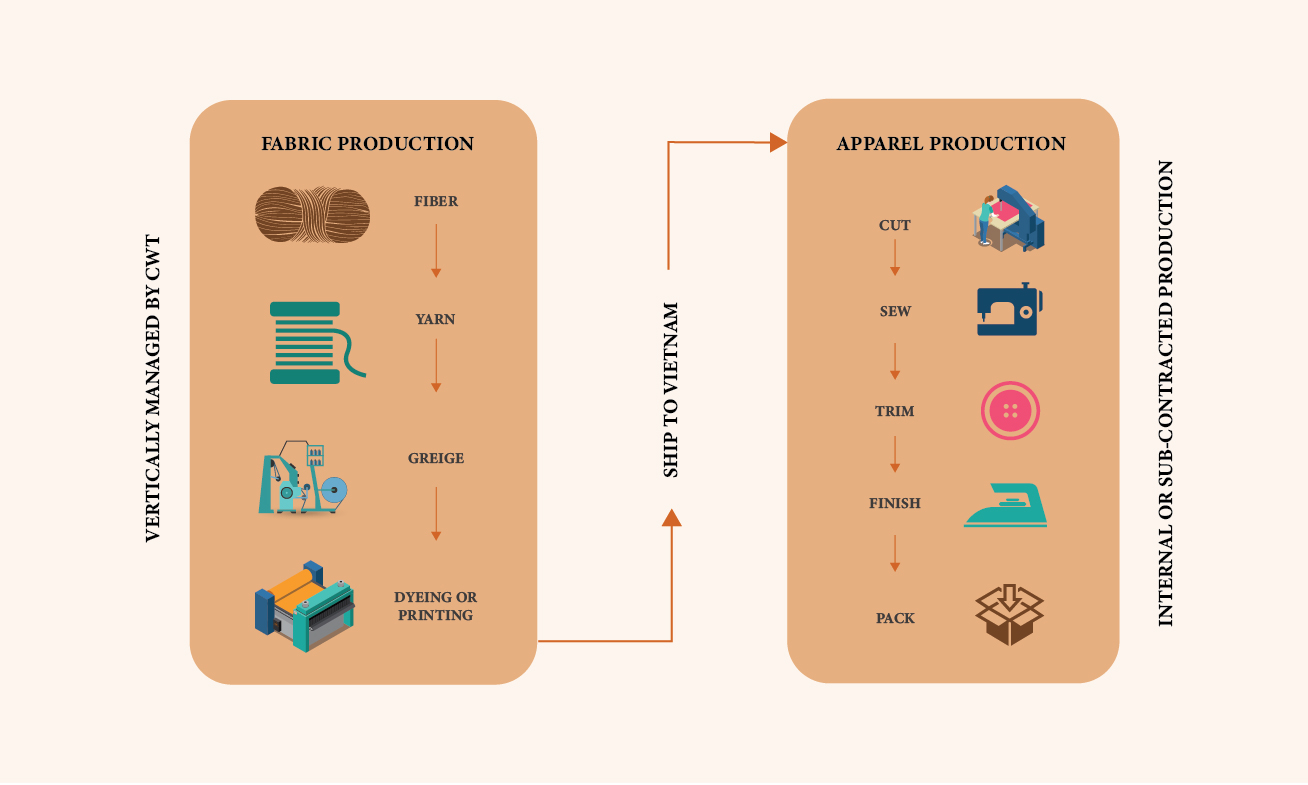

Vertical management process for apparel manufacturer by Capital World Group

Read More
qc procedure checking fabric capital world group

What are Capital World Group QC procedures?

Many garment brands face challenges with outsourced manufacturing, defects, late deliveries, or ethical lapses that can lead to costly recalls and damaged trust. Capital World Group (CWG) addresses this pain point as a Vietnam-based ladies’ wear manufacturer with fully integrated production. By implementing robust QC procedures at every stage, from fabric sourcing to final packaging, CWG ensures each garment meets spec and global standards.

Why are quality check procedures important in garment manufacturing?

A single quality slip in fashion manufacturing can damage a brand’s reputation and cause costly delays. That’s why quality check procedures are a strategic safeguard.

  • Ensure products meet specifications: Thorough inspections verify garments match the original design and technical specs.
  • Verify measurement, fit, and appearance: Inspectors confirm size, color, shape and quality, measuring dimensions and checking colors for accuracy.
  • Reduce waste and cost: A garment’s quality procedure catches defects early, cutting rework and preventing wasted materials and labor.
  • Save time and ensure on-time delivery: In-process QC prevents delays by fixing issues before production ends.
  • Build trust and long-term relationships: Consistent quality strengthens client and customer confidence, fostering lasting partnerships.

Capital World Group’s standard QC procedures

As a trusted women’s clothing manufacturer in Vietnam, Capital World Group (CWG) implements a structured, multi-stage quality control system to maintain high standards throughout production. This standardized QC process monitors every critical step, from raw material inspection to final shipment, beginning with material quality control (Material QC).

1. Source inspections

Capital World Group begins quality assurance at the point of material receipt. All incoming fabrics and trims are inspected against approved specifications before being released to production. Fabric lab tests, colorfastness rub tests, and visual defect checks are conducted to identify risks such as shade variation, bleeding, or surface flaws.

This early-stage inspection ensures that only compliant materials enter the production line, preventing downstream quality issues and costly rework.

2. Fabric sourcing

During fabric sourcing, we verifie supplier documentation and material certifications, including organic, recycled, or sustainability claims when required by buyers. Test reports are collected and reviewed to confirm fabric composition, weight, durability, and performance standards.

Each fabric roll is checked for consistency with buyer-approved specifications, ensuring full alignment with technical sheets and reducing compliance risks in international markets.

3. Sample development QC

Create development samples that match all sizes and fit requirements. For example, when calculating how much fabrics is needed to make a jumpsuit, QC teams measure prototypes for correct measurements to confirm they comply with specified sizes and to have the correct amount of fabrics.

They also review stitching and construction details, securing pre-production approval. This step in the garment manufacturing process ensures any design issues are resolved before bulk production.

clothes development qc procedures

4. Inline QC

Inline quality control focuses on real-time monitoring throughout the sewing process. QC staff inspect semi-finished garments directly on the production line, checking workmanship, stitching consistency, seam alignment, and overall assembly quality.

By identifying defects early, we prevent error accumulation and ensure issues are corrected immediately. This proactive approach improves production efficiency, reduces waste, and supports stable output quality during high-volume orders.

5. Endline QC

Perform a thorough final inspection of finished garments. This quality audit includes a final measurement check, visual examination and a metal needle detector scan to ensure no broken needles remain in garments (a crucial safety step).

Inspectors also conduct physical tests on a sample from each batch to identify any defects with accessories like zippers, snaps, buttons, or elastic. Any garment failing these checks is pulled out or reworked.

woman checking quality of finished clothes

6. Customer audits

Capital World Group actively supports customer audits and welcomes third-party inspectors for social compliance, ethical sourcing, or technical quality assessments. Many international buyers conduct on-site audits, which we facilitate transparently to demonstrate operational standards and manufacturing discipline.

These audits provide brands with added assurance of factory compliance, production capability, and the reliability of long-term partnerships.

7. Label verification

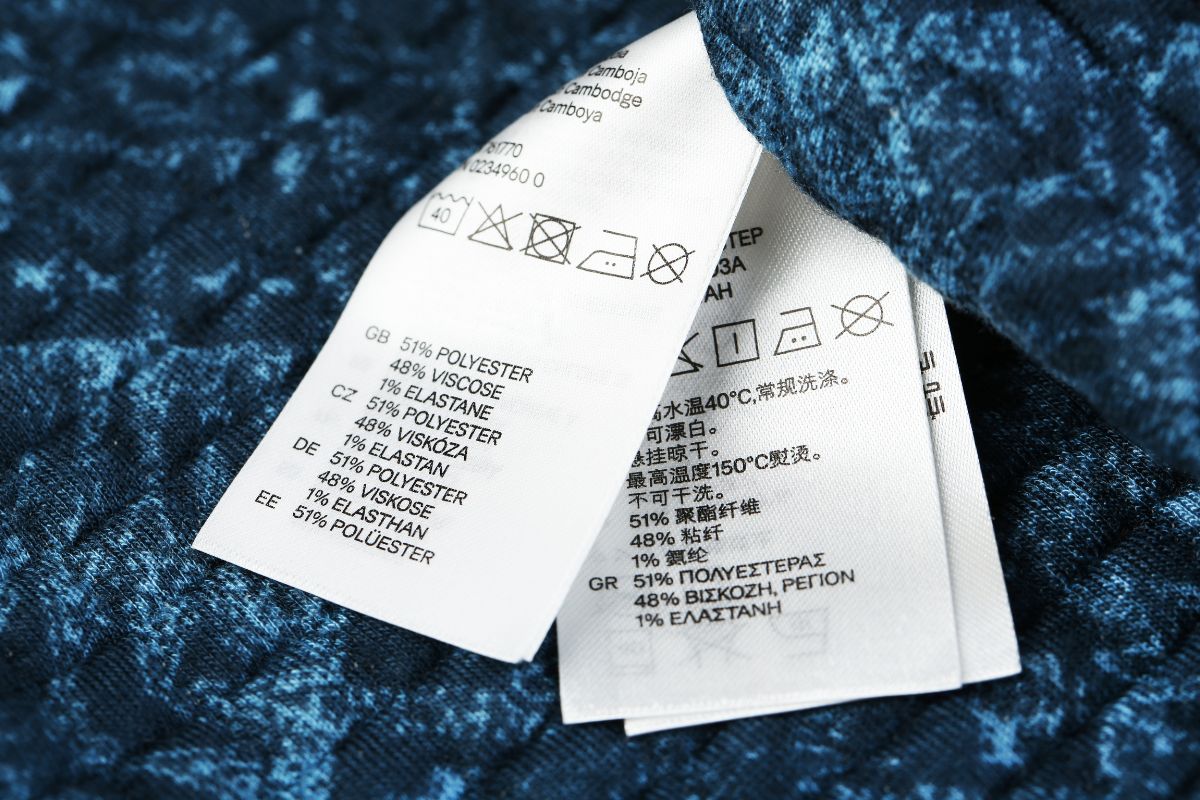
Check that every garment’s labeling complies with the rules of its target market. This means verifying that tags clearly state the fibre composition, country of origin, manufacturer or importer information, size, and proper care guidance. Missing or inaccurate labels can trigger customs refusals or regulatory penalties.

label of clothes verification

8. Packaging inspection

Finally, verify that packing meets both client specifications and transit safety standards. Inspectors ensure the correct number of pieces and assortment are packed per carton, and that each shipping carton is of appropriate size, weight, and durability. They check that inner boxes or polybags are adequately sealed and that the carton protects the goods from damage.

If polybags are used, they must have the proper suffocation warning labels. A packaging check also confirms all shipping marks are correct, legible, and complete, including buyer name and PO, item description, carton count and dimensions, and country of origin.

Every detail is reviewed so that when goods depart the factory, they are retail-ready and compliant with import regulations when importing clothes from Vietnam to other countries.

Kiara Garments Factory of Capital World Group – a Vietnam garment manufacturer

Many brands struggle with delays, inconsistent sizing, and unclear compliance, but CWG solves this by combining certified processes with transparent operations, giving clients faster speed-to-market and dependable quality. Explore our homepage or contact us to see how we can deliver quality, consistency, and trust every step of the way.

One company is CWG’s Kiara Garments factory in Ninh Binh. This family-owned factory gives CWG end-to-end control from sourcing to export, operating 18 production lines with 800 skilled staff and specialising in manufacturing women’s tops and bottoms.

Read More
Capital World Group

Women’s set manufacturer – Capital World Group

Women’s sets have become a core part of modern wardrobes, valued for their practicality, versatility, and polished look. Coordinated designs make styling easier for customers and offer brands a simple way to deliver on-trend, ready-to-wear options. In Vietnam, Kiara Garments Factory, part of Capital World Group (CWG), produces women’s sets that balance style with functionality.

As a fully integrated women’s set manufacturer, CWG manages everything from fabric sourcing to final export, giving fashion brands a reliable way to access high-quality collections through a professional women’s set manufacturer online.

Materials made by experienced manufacturers

CWG’s comprehensive knowledge of textiles, from cotton and viscose to performance blends, means we can recommend the ideal materials for every design. Our experts understand which regions and mills produce the best fabrics, giving women clothing brands efficient options in both quality and cost.

professional designers making clothes from materials in kiara garments factory
Whether your design is a simple knit set or a customized concept, our know-how ensures an optimal result. Backed by a heritage of craftsmanship and modern sustainability standards, we deliver consistent material excellence for all your ladies’ wear collections.

Catch up with the latest trends

Staying ahead of trends is key for any fashion label competing in today’s fast-moving market. Capital World Group‘s expertise as a two-piece women’s set manufacturer is part of a broader capability that covers casual, formal and trend-driven women’s tops and bottoms.

Our fabric innovation teams and dedicated development centers work alongside 50+ merchandisers to track emerging styles, colors and consumer preferences worldwide.

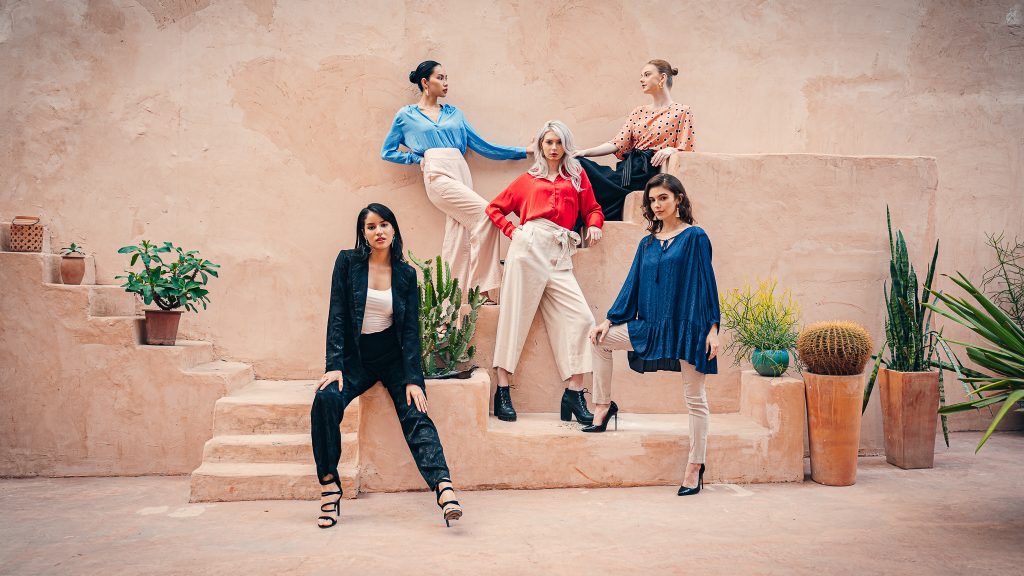
women clothes design modelsThis ensures your collections feature trendy clothes that resonate with your audience and arrive in stores at the right moment. From manufacturing women’s jumpsuits to sharp office-ready co-ords and runway-inspired women’s dresses, we adapt designs to meet both seasonal shifts and long-term brand identity.

Each set is created with a balance of style, comfort, and functionality, helping women feel confident while giving your brand a clear competitive edge.

Detail-focused designs

Design precision is the foundation of how we create garments that win repeat customers for your brand. Decades of textile know-how allow us to choose materials, cuts, and details that elevate both the look and feel of each set.

In the garment manufacturing process, our focus is on delivering pieces that capture attention on the rack and also become lasting favorites in a woman’s wardrobe.

  • Fabric selection rooted in experience: Sourcing from trusted mills, we match material type to design intent, whether for structure, drape, or breathability.
  • A color library that works for retail seasons: We match muted pastels for spring, bold neons and coral pinks for summer, richer reds and deeper tones for cooler months.
  • Pattern variety with market fit: From timeless stripes to seasonal florals and high-impact abstract prints, each is chosen to complement your brand’s identity.
  • Shape and silhouette engineering: We create varied shapes, from V-necks that flatter to relaxed forms that move effortlessly with the wearer.
  • Functional details with style impact: These include belts that cinch perfectly, ruffles that hold shape, pleats that add depth, and buttons aligned with garment flow.
  • Built-in versatility: Each design pairs easily with existing wardrobe staples, giving end customers more reasons to return for repeat purchases.

sewing in Kiara Garments Factory

Kiara Garments Factory of Capital World Group – Professional women’s set manufacturer

Finding a women’s clothing manufacturer in Vietnam who can keep pace with shifting trends while maintaining consistent quality is a big challenge for many fashion brands. Capital World Group addresses this need as a professional women’s set manufacturer with a full-service model through its fully owned Kiara Garments factory, together covering design, sampling, production, and export.

Let’s dive deeper into the 5 non-negotiable tips on how to choose a women’s wear manufacturer.

aerial view of kiara garments manufacturing factory capital world groupOur end-to-end production approach ensures each stage, cutting, sewing, and finishing, is coordinated under one roof, enabling cost efficiency and rigorous quality control. We are committed to ethical and sustainable manufacturing, which is verified through internationally recognised standards such as the Higg Index and Amfori BSCI.

If you’re ready to develop your next collection with a trusted women’s set manufacturer online, contact our team to discuss your requirements.

Read More
garment pieces

Top 10 biggest clothing manufacturing countries 2025

According to the Textile Market Report, the global textile and apparel market is valued at about $696.16 billion. By 2029, it’s projected to reach $915.96 billion, reflecting steady 7.1% annual growth. Yet ongoing geopolitical tensions and regional instability continue to disrupt supply chains and test the industry’s resilience.

Recent conflicts, for instance, have redirected many apparel orders to Vietnam. In this environment, Vietnam’s political stability and rapid economic progress make it an attractive choice for buyers. The following sections look at the top 10 clothing manufacturing countries in 2025 and examine how each is competing in a shifting global market.

1. Vietnam

Vietnam has rapidly become a leading garment producer. It’s now the 4th largest garment exporter globally, with export turnover estimated at $44 billion in 2024-2025. This performance puts Vietnam among the top ranks (in recent growth, second only to India) as global demand rebounds.

Vietnam’s industry emphasizes quality and compliance. Thousands of factories (over 13,000 enterprises) employ around 2.5 million skilled workers. Several Vietnamese garment manufacturers carry international certifications such as ISO 9001 for quality management, BSCI, WRAP, GOTS and SA8000 (social accountability). These credentials reflect a proven track record in meeting ethical and sustainable production standards.

sewing fabricAdditionally, the country’s skilled workforce and consistent quality have attracted major global brands. Many well-known labels source here, including Nike, Adidas, H&M, Lululemon, and Uniqlo.
Building on this reputation, Capital World Group, a vertically integrated ladies’ clothing manufacturer based in Vietnam, has become a partner with leading global apparel brands searching for a trusted Vietnam garment manufacturer.

2. European Union

In 2023, Europe’s apparel imports reached €176.9 billion (up from €144.7 billion in 2018), reflecting robust demand. EU-based producers (notably in Italy, Portugal, Spain, etc.) focus on quality and upscale fashion, while nearshoring partners (Turkey, Eastern Europe) supply more basic goods. A major demand focus in Europe is on sustainability, traceability, and compliance. European buyers and regulators require proven ethical sourcing and low environmental impact.

Additionally, Europe’s geography favors proximity sourcing. Many regional brands benefit from nearshoring production to nearby countries for shorter lead times. This proximity strategy, combined with strict EU standards, has positioned the EU bloc as a high-value market emphasizing textile quality and sustainability over large volumes.

3. China

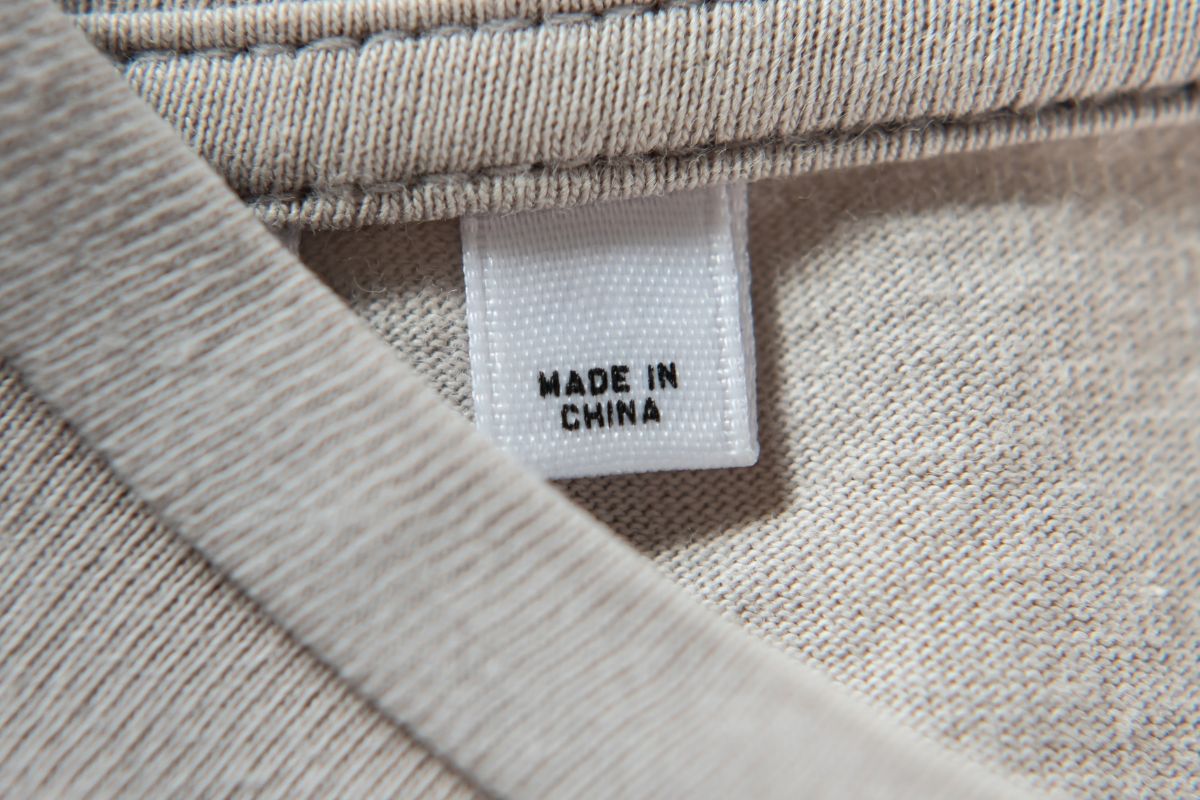
China remains the largest manufacturer of clothes in the world by volume, but its dominance is evolving. In recent years, rising wages and shifting economics have spurred many Chinese apparel manufacturers to relocate or expand to ASEAN countries (Vietnam, Cambodia, etc.).

clothing label made in china tagThis “China Plus One” diversification trend is driven by China’s labor costs nearly doubling (e.g., urban garment wages averaging $500 – 650/month vs. $192 in Vietnam). Ongoing trade tensions (such as US tariffs on Chinese exports) have further pushed production to Southeast Asia. So, while China is one of the top clothing manufacturing countries by output, it is focusing more on higher-value and technical textiles at home.
4. Bangladesh

This is currently the second-largest garment exporter after China, known worldwide for low-cost, large-scale apparel production. The ready-made garment (RMG) industry in Bangladesh employs around 4 million workers (about 80% women), powering about 80% of the country’s exports. Bangladesh specializes in mass-produced knitwear and basic apparel (e.g., t-shirts, sweaters) for global retailers.

Bangladesh relies heavily on imported textiles (fabric and yarn), and its comparative advantage has been predicated on keeping labor costs among the lowest globally. Disruptions such as political unrest or global demand shifts can therefore hit hard. The industry is striving to overcome these challenges by improving compliance and infrastructure.

5. Turkey

Turkey has long been a major apparel and textile producer, ranking as the world’s fourth-largest textile exporter. Its proximity to Europe supports quick turnarounds and high-quality fabric production.

In 2024–2025, the industry faces rising input costs, inflation, and global competition. Minimum wages have surged 249% in two years, making Turkish garments about 60% more expensive than East Asian alternatives.

Production capacity has also dropped to 50–60% of normal levels as cheaper imports and fast fashion erode market share. While still valued for speed and flexibility in European orders, many brands now pair Turkey with a Vietnam apparel manufacturer for larger, cost-efficient volumes.

6. India

With one of the world’s most diverse textile industries, India has a strong base in natural fibers. These include cotton, jute, silk, and wool, alongside large-scale production of synthetics like polyester, viscose, nylon, and acrylic. This raw material depth supports vertical integration from farm to finished garment.

Its mills produce everything from fabric to ready-made garments, including high-quality cotton apparel, handloom textiles, and knitwear. India remains among the top clothing manufacturing countries, though most brands opt for manufacturers in Southeast Asia to coordinate trims and fabrics for faster turnaround.

7. Cambodia

This country in Southeast Asia has a domestic apparel market of about $285 million in 2025 and a projected annual growth of 3.5%. It is one of the hotspots gaining attention as a lower-cost ASEAN production base.

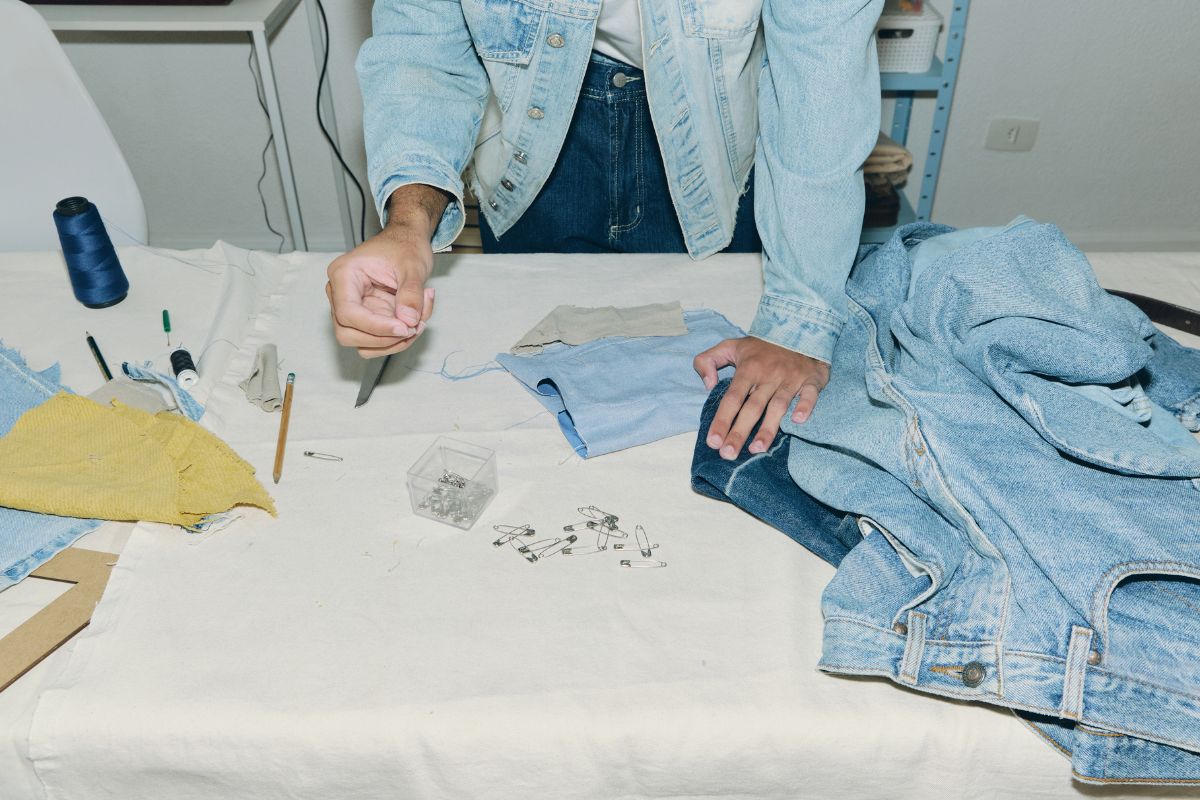
Most factories specialise in cut-and-sew garments, including T-shirts, sportswear, and denim. They benefit from competitive labour costs and trade advantages such as the EU’s Everything But Arms (EBA) scheme.

denim clothes makingHowever, importing much of their raw materials from China or Vietnam can extend lead times, and the industry still operates on a smaller scale than major regional players. In response, more producers are securing compliance and sustainability certifications to satisfy buyer requirements.
8. Pakistan

With one of the world’s largest cotton harvests, Pakistan has built a strong spinning and weaving base. This integrated supply chain underpins its textile and garment production, with notable strengths in knitwear and denim. Its mills supply premium denim fabric to many global jeans brands, while fleece, hosiery, and T-shirts expand its garment production reach.

Low labor costs and high volumes keep it competitive, though energy shortages and infrastructure gaps have limited growth. Ongoing political and economic volatility also affects stability. Even so, Pakistan’s investments in compliance, organic cotton, and sustainable production make it a viable partner, often complementing manufacturers in regions like Vietnam with stable capacity.

9. Indonesia

Thanks to the shifting trade dynamics, Indonesia has become a prime relocation hub for garment and footwear production. The US – China trade war and Vietnam’s full capacity have pushed new investment its way. In 2024, foreign direct investment in its textile sector jumped 107% to $903 million. The government is promoting growth while moving to protect against China’s export surge, which has flooded regional markets with low-cost goods.

Infrastructure improvements and a large labor force support its ambition to be known for speed and flexibility. Many brands now have Indonesia on their radar alongside Vietnam and China for rapid onboarding and balanced regional production.

10. United States of America

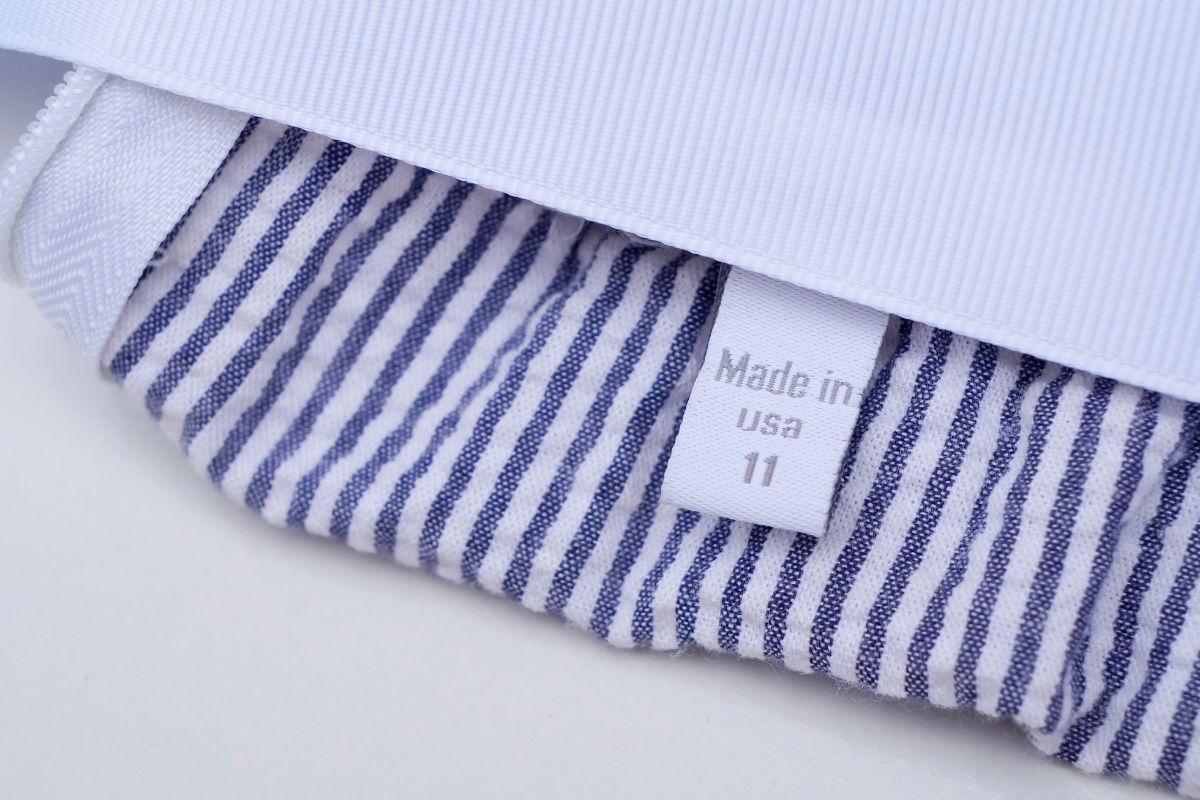
Home to a $395 billion apparel and garment industry in 2025, the US excels in specialized and high-end production. While bulk manufacturing moved offshore, demand for sustainability, digital production, and localized short runs is reshaping the sector. Many brands launch “Made in USA” capsules, using automated cutting, 3D knitting, and digital design for small-batch efficiency.

clothing tags made in usaThe US’s strengths include technical textiles, premium denim, athletic wear, and garments made with skilled labor and advanced technology. Many brands also use nearshoring to Mexico or Central America to stay competitive in a fast-moving market. However, the US also import clothes from Vietnam because of the affordable prices with high quality products.

Current trend in clothing manufacturing

In 2025, supply chain resilience depends on spreading production across regions. Many brands now split production between China, Vietnam, and South Asia, while using nearshoring in Europe or the Americas to cut risk.

This spread lets them move orders quickly when problems arise. Buyers also weigh sustainability and compliance, looking closely at a factory’s environmental record, labor standards, and traceability.

clothes designing using technology on laptopAdvances in digital tools, from 3D sampling to connected production systems, are also speeding up manufacturing and reducing waste. The most competitive players often blend efficient large hubs with agile micro-production to ensure they thrive in varied circumstances.

How to choose a clothing manufacturer by country

Selecting the right production base involves weighing multiple factors that directly influence timelines, product quality, and supply chain stability.

  • Political stability: Many developing markets face sudden changes that affect supply chains, but Vietnam’s consistent governance makes it a reliable choice.
  • Economic health and trade policy: This factor affects access to markets and production efficiency. With strong GDP growth and rising export value in apparel, Vietnam offers competitive access to global markets while keeping shipping costs under control.
  • A skilled labour workforce: This ensures consistent quality. Vietnam’s 2.5 million garment workers, supported by vocational training, can handle complex designs while meeting international compliance standards.
  • Manufacturing cost: This balances wages, materials, utilities, and compliance. Vietnam offers competitive pricing, with vertical integration from firms like Capital World Group reducing third-party expenses.
  • Lead times: Short lead times are crucial in fast fashion cycles: Vietnam’s in-house sampling and efficient logistics speed production from concept to delivery.
  • Shipping cost: This depends on distance and infrastructure. Vietnam’s major ports in Hai Phong and Ho Chi Minh City ensure competitive freight rates and reliable schedules to both the US and Europe.

When you put it all together, the best way to choose a women’s wear manufacturer specifically is one that can handle everything under one roof, from fabric to finished product, while keeping quality high, lead times short, and sustainability on track. Vietnam delivers on all three, especially through well-established manufacturers. One of the most noteworthy is Kiara Garments of Capital World Group. They manage the entire process end-to-end, turn orders around quickly, and hold international certifications that keep brands confident.

Read More