
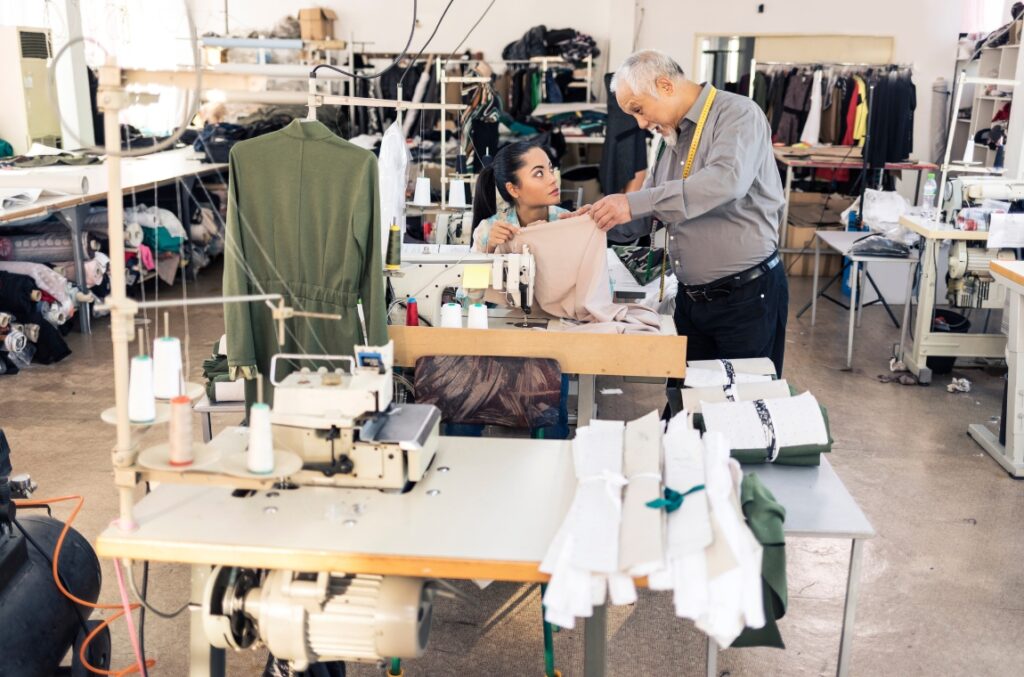
Vertical integration affects apparel quality by connecting multiple production stages under one coordinated system. In apparel manufacturing, this can link design, fabric sourcing, cutting, sewing, finishing, quality control, and logistics.
The main quality benefit is not simply having more processes under one group, but improving information flow and allowing quality issues to be identified and addressed earlier. Capital World Group’s model follows this approach, with QA/QC applied at each production stage rather than relying only on final inspection.
What is Vertical Integration in Apparel Manufacturing
Vertical integration in apparel manufacturing means a manufacturer or manufacturing group manages multiple stages of the production value chain within one coordinated system. Instead of relying entirely on separate companies for each process, the model can connect activities such as design and development, fabric sourcing or production, garment manufacturing, finishing, quality control and logistics.
The purpose is to create greater control and coordination across the production process. When information moves between connected teams more directly, manufacturers can manage specifications, materials and quality requirements with fewer organizational handoffs.
What Production Stages Does Vertical Integration Connect
A vertically integrated apparel operation can connect the process from design and development through fabric sourcing, cutting, sewing, finishing, QA/QC and logistics. These stages cover the main activities required to turn a product specification into a finished garment, with quality requirements managed throughout the production flow.
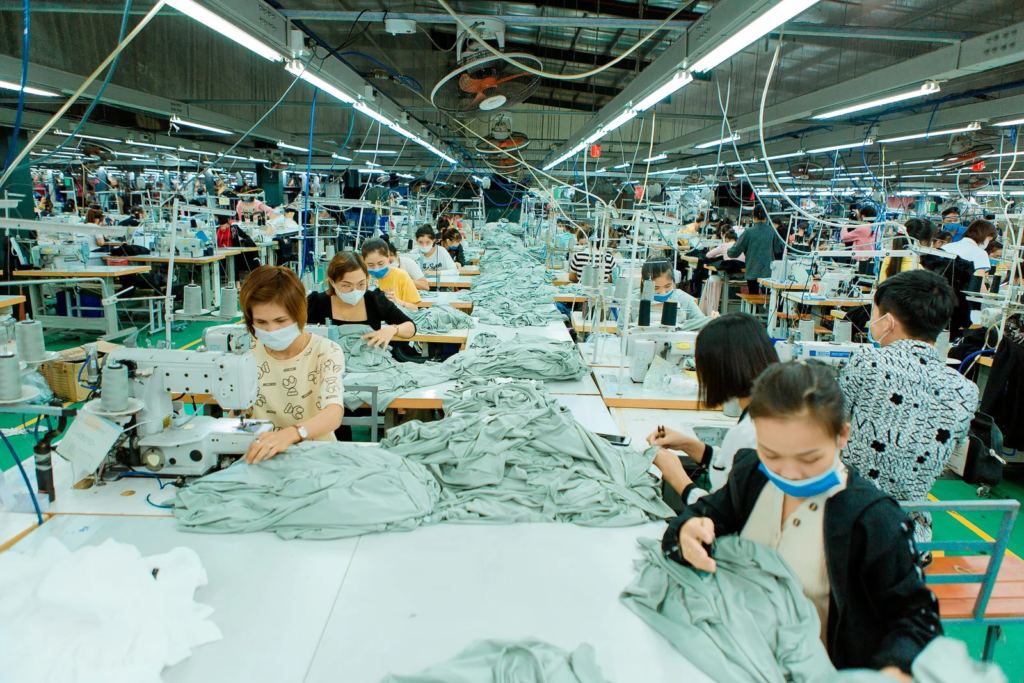
How Does Vertical Integration Affect Apparel Quality?
1. Fewer Production Handoffs Reduce Specification Errors
When production stages are connected, technical specifications can move more directly between teams, reducing opportunities for information to be misunderstood during handoffs. A study of 51 German apparel companies found that information sharing mediated the positive performance effects associated with vertical integration, identifying information flow as a key success factor.
2. Upstream Fabric Control Influences Finished-Garment Quality
Quality can be affected before fabric reaches the sewing line. Controlling material specifications, sourcing and processing helps manufacturers identify fabric-related issues earlier. Esquel, for example, used bale-level RFID to track cotton quality and support cotton blending and yarn-quality consistency, showing how upstream material information can influence downstream production.
3. Faster Feedback Helps Correct Quality Problems Earlier
Connected production stages allow quality information to move faster between the teams responsible for production and correction. Research involving 169 fashion-sector professionals found significant relationships between information sharing, quality management and firm performance, with supply-chain agility acting as a mediator. This supports the importance of timely information when managing production and quality issues.
4. One Coordinated Quality System Creates Clearer Accountability
When production stages operate within one coordinated system, manufacturers can trace quality issues across connected processes instead of coordinating entirely through separate suppliers. 117 apparel manufacturers in Bangladesh found that process integration was moderately related to quality competitive advantage, supporting the link between integrated processes and quality performance.
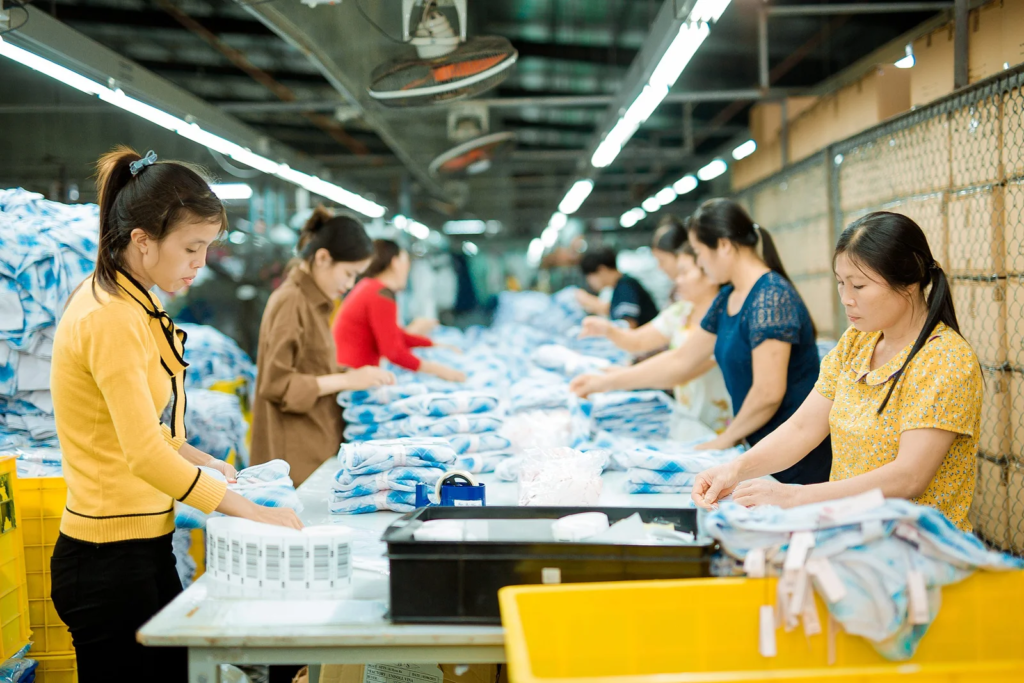
What Apparel Buyers Should Look for in a Vertically Integrated Manufacturer
Is Fabric Sourcing or Development Managed Internally?
abric control is important because material specifications directly affect garment fit, appearance and performance. Buyers should check whether the manufacturer can manage fabric sourcing or development and maintain traceability from material selection into production.
What buyers should verify:
- Fabric sourcing or development team
- Material specifications such as GSM, composition, hand-feel and finish
- Lab dips, strike-offs or fabric testing
- Traceability between approved fabric and bulk production
- Ability to work with buyer-nominated fabrics when required
Capital World Group, for example, states that its fabric operation covers sourcing and co-development for knits and wovens, including target GSM, drape, finish and blend, followed by in-house sampling and bulk manufacturing. Its sourcing network has had a physical presence in Shaoxing since 2003.
Is Sampling Connected to Bulk Production?
A sample process that is separated from manufacturing can create specification gaps when the product moves into production. Pilot-run guidance in garment manufacturing recommends checking production techniques and buyer specifications before full bulk production.
Buyers should ask for:
- Sample approval and revision records
- Pattern and measurement specifications
- Pre-production or pilot-run procedures
- Evidence that approved materials and construction carry into bulk
- Clear handover between sample and production teams
For a measurable benchmark, Capital World Group states that its in-house sample room provides a 10-day prototype turnaround and capacity of approximately 500 samples per week. Its vertical model connects fabric sourcing, sampling and bulk manufacturing.
Where Does Quality Control Take Place?
Quality control should not exist only at final inspection. Buyers should look for checkpoints across the production chain, because fabric, cutting, sewing, finishing and packing create different quality risks.
A practical QC structure includes:
- Incoming/fabric: material condition and specifications
- Cutting: spreading, shade and pattern accuracy
- Sewing: construction and workmanship checks
- Finishing: measurements, appearance and finishing quality
- Final inspection: finished-garment and packing verification
Can the Manufacturer Provide Verifiable Quality Evidence?
This is where buyers should distinguish a quality claim from quality evidence. Ask the manufacturer to provide documents or identifiers that can be independently checked, rather than relying only on statements such as “premium quality” or “strict QC.”
Evidence worth requesting:
- Quality-management certification
- Social-compliance audit records
- Customer audit reports, where available
- Factory and production-site information
- QC inspection records or reports
- Material testing and compliance documentation
- Correct certification/audit ID and validity period
Several identifiable benchmarks of Capital World Group: ISO 9001, Higg FEM, amfori BSCI and SLCP, alongside customer audits. Its published identifiers include Higg ID 132290, BSCI DBID 372005 and SLCP ID FA 154904.
How Capital World Group Uses Vertical Integration to Support Apparel Quality
Vertical integration supports apparel quality when production stages are connected through shared processes and information. For Capital World Group, the practical focus is not simply owning production capacity but maintaining quality control throughout the manufacturing sequence. Its Ninh Binh operation has 18 production lines, approximately 800 operators, 15 pattern makers, 20 sample operators, and 15 QA personnel. Capital World Group states that QA/QC is applied at each production stage, allowing issues to be identified and addressed before they progress further through production
Conclusion
Vertical integration can support apparel quality when it improves control, information flow and accountability across production stages. For buyers, the priority is to verify how integration works in practice through material control, connected sampling, stage-level quality checks and documented evidence. A manufacturer’s integration model should therefore be evaluated by its processes and measurable controls, not simply by its claim of being vertically integrated.
FAQs for Vertical Integration
1. Does vertical integration improve apparel quality?
Vertical integration can improve quality when it strengthens information sharing and process control. However, integration itself does not guarantee quality without effective QA systems, clear standards, skilled teams and consistent coordination across production stages.
2. What production stages should an apparel manufacturer integrate?
A practical integrated model can connect design and development, fabric sourcing or production, cutting, sewing, finishing, quality control and logistics. Connecting these stages helps maintain product specifications and quality information as garments move from development into bulk production.
3. How can brands verify the quality of a vertically integrated manufacturer?
Brands should examine how quality is controlled at each production stage and request verifiable evidence such as audit records, certifications, inspection procedures and factory information. They should also check whether sampling, material sourcing, production and QA processes are connected rather than managed independently.