
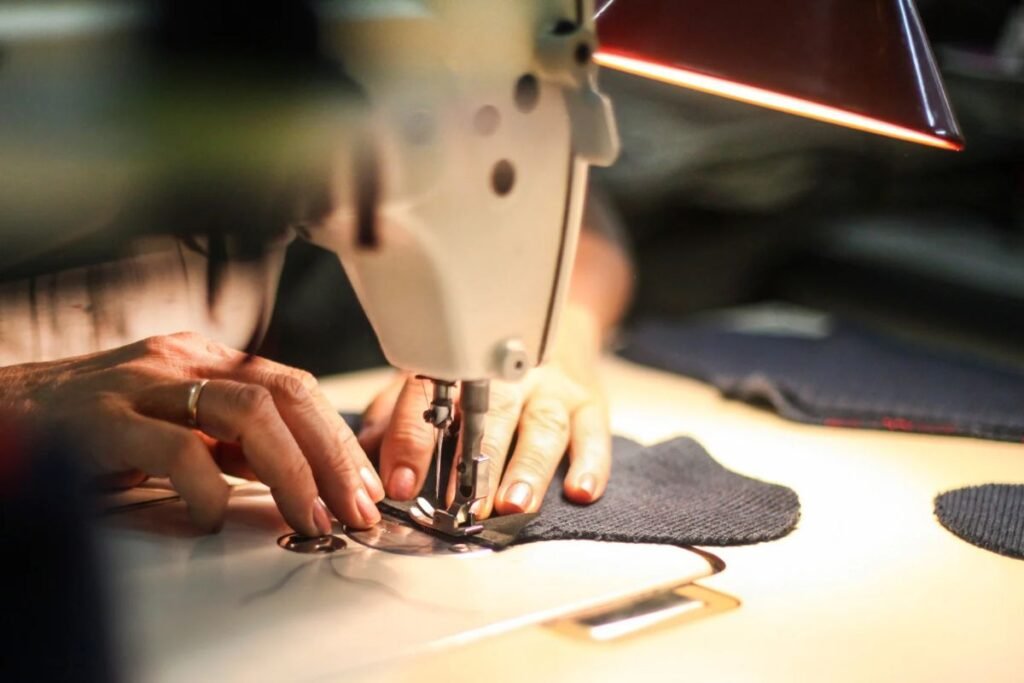
Vietnam is a growing apparel manufacturing hub, with cut-and-sew widely used for knitwear such as tops, dresses, and sportswear. The process covers fabric selection, pattern development, cutting, sewing, finishing, and quality control.
For brands, supplier capability matters because knit fabrics require specific handling, equipment, and quality controls to maintain fit, dimensions, and consistency during production.
What Is Cut-and-Sew Knitwear Manufacturing in Vietnam?
Cut-and-sew knitwear manufacturing involves cutting knitted fabric into pattern pieces and sewing them into finished garments. Unlike fully fashioned knitting, this method assembles garments from fabric panels rather than knitting them directly into shape. Vietnam manufacturers support different production stages depending on their facilities and service scope.
Key manufacturing capabilities include:
- Fabric sourcing and inspection
- Pattern development and grading
- Sample development and approval
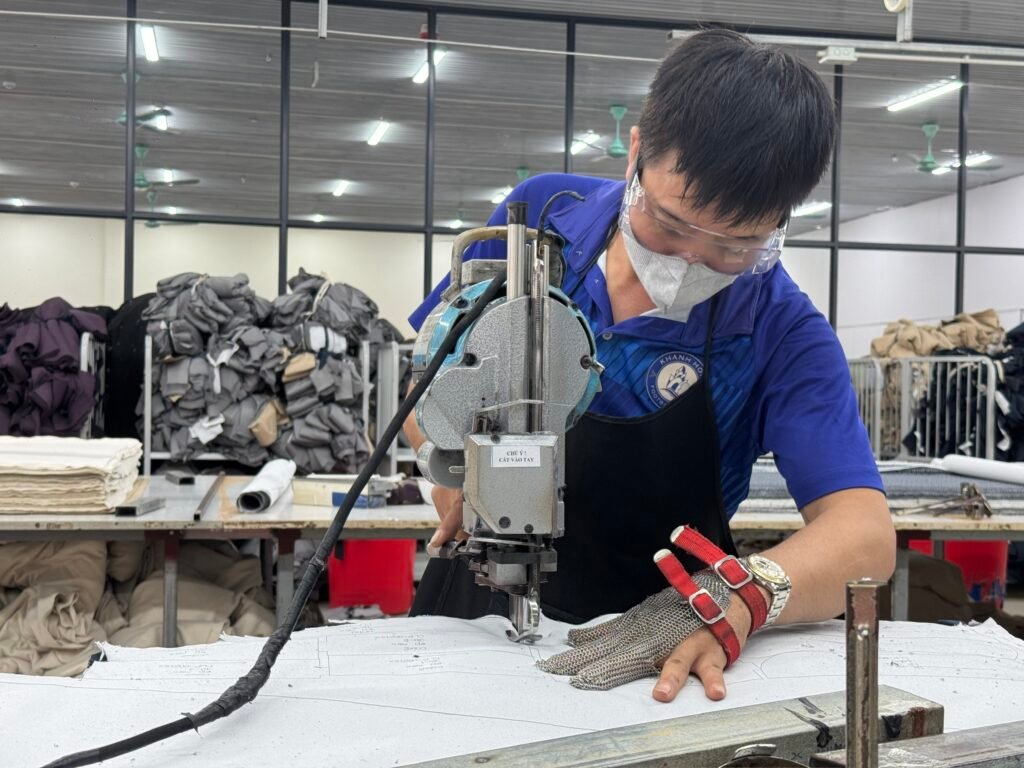
- Fabric spreading, cutting, and sewing
- Finishing and quality control
- Packing and export
When evaluating suppliers, brands should check measurable capacity, such as production lines, monthly output, sample capacity, and minimum order quantity (MOQ).
What Are the Key Responsibilities in Cut-and-Sew Knitwear Manufacturing?
A capable cut-and-sew manufacturer should contribute more than sewing capacity. Each stage affects the final garment, so brands should evaluate the complete development and production process.
Quick Check about Key Responsibilities of Vietnam Knitwear Manufacturing
| Key Responsibility | Main Task |
| 1. Design and Technical Review | Review designs, tech packs, measurements, and construction requirements. |
| 2. Fabric Selection and Validation | Check fabric structure, weight, stretch, shrinkage, and finish. |
| 3. Pattern Making and Grading | Create garment patterns and develop consistent size ranges. |
| 4. Sample Development | Produce prototypes to verify fit, construction, and quality. |
| 5. Fabric Cutting | Cut fabric panels accurately while optimizing material usage. |
| 6. Sewing and Garment Assembly | Assemble panels with suitable stitches and seam construction. |
| 7. Quality Control and Finishing | Inspect garments, correct defects, and complete final finishing. |
| 8. Packing and Export | Prepare approved garments for packing and shipment. |
1. Design and Technical Review
The manufacturer reviews the design, technical specifications, measurements, construction details, and production requirements before sampling begins.
A strong technical team can identify potential production issues early. This may include difficult construction details, unsuitable seams, measurement inconsistencies, or fabric requirements that need further validation.
Early technical review helps reduce unnecessary revisions later in the development process.
2. Fabric Selection and Validation
Fabric selection is particularly important for knitwear because the fabric directly affects garment appearance, fit, comfort, and production behavior.
The manufacturer should assess relevant characteristics such as:
- Fabric structure
- GSM and weight
- Stretch and recovery
- Shrinkage
- Hand feel
- Drape
- Color consistency
- Finishing requirements
A manufacturer with sourcing capability can also help identify materials that match the brand’s product and commercial requirements.
3. Pattern Making and Grading
Pattern making converts the garment design into production-ready pieces.
The pattern must reflect the approved measurements, construction, proportions, and fit requirements. Grading then creates the required size range while maintaining the intended fit across sizes.
For womenswear, this stage is especially important because small changes in proportions can significantly affect the appearance and comfort of a garment.
4. Sample Development
Sampling allows the brand and manufacturer to evaluate the design before bulk production. A sample should be assessed for fit, construction, measurements, fabric behavior, sewing quality, finishing, and overall appearance.
Efficient sampling is valuable because it gives brands more time to identify and correct problems before production begins.
5. Fabric Cutting
After the fabric and pattern are approved, the manufacturer prepares the fabric for cutting. The cutting process needs to maintain panel accuracy and size consistency. Marker planning also influences fabric utilization and material efficiency.
For knitted fabrics, the manufacturer must account for fabric characteristics and ensure that panels are cut consistently according to the approved pattern and construction requirements.
6. Sewing and Garment Assembly
Sewing transforms the cut panels into the finished garment. The manufacturer needs to select appropriate sewing methods and control stitch quality, seam construction, thread tension, and assembly sequence.
For knitwear, sewing quality must also account for fabric stretch. Incorrect construction can affect seam appearance, garment recovery, durability, and fit.
7. Quality Control and Finishing
Quality control should take place throughout production rather than only at the end.
In-line inspections can identify construction issues during manufacturing, while final inspection checks the completed garments against the approved specifications.
Finishing may include processes such as thread trimming, pressing, labeling, folding, and final presentation before packing.
8. Packing and Export
The final stage prepares approved garments for shipment.
A manufacturer providing broader supply-chain support can coordinate packing and export preparation after production and quality control are completed. This creates a more connected workflow from garment development to delivery.
Advantages and Disadvantages of Cut-and-Sew Knitwear Manufacturing
Vietnam knitwear manufacturing offers design flexibility and scalable production, but it also requires strong technical control. Brands should understand both sides before selecting a manufacturing partner.
Advantages of Cut-and-Sew Knitwear Manufacturing
Cut-and-sew gives brands greater control over garment construction and allows manufacturers to work with different knitted fabrics and garment designs.
- Design flexibility: Brands can develop different garment shapes, measurements, panels, and construction details based on individual patterns.
- Fabric flexibility: The method can accommodate knitted fabrics with different weights, structures, stretch levels, finishes, and hand feels.
- Sampling flexibility: Patterns can be revised during development when measurements, fit, or construction details need adjustment.
- Scalable production: Once the pattern, fabric, construction method, and quality standards are approved, the same specification can move into repeatable bulk production.
- Suitable for womenswear: The method supports varied silhouettes and fit requirements across tops, dresses, skirts, pants, and other knitted garments.
These advantages make cut-and-sew useful for fashion brands that need to develop multiple styles while maintaining control over garment construction and fit.
Disadvantages of Cut-and-Sew Knitwear
The flexibility of cut-and-sew also creates several technical and operational challenges.
- Higher technical requirements: Errors in pattern development, fabric handling, cutting, or sewing can affect the final garment.
- Knit fabric behavior: Stretch, recovery, shrinkage, fabric stability, and sewing tension need to be controlled throughout production.
- Fabric waste: Individual panels must be cut from fabric, so marker planning and fabric utilization can influence material efficiency.
- Multiple supplier coordination: A standalone cut-and-sew factory may require the brand to manage separate fabric, trim, pattern, sampling, and quality-control suppliers.
- More development control required: Brands need clear technical specifications and approved samples before bulk production to maintain consistency.
For this reason, the manufacturer’s broader supply-chain capability matters. When fabric and trim sourcing, pattern development, sampling, production, QC, packing, and export are managed within one integrated supply chain, brands have fewer production interfaces to coordinate.
What Knitwear Products Use Cut-and-Sew Construction?
Cut-and-sew construction is suitable for a broad range of knitted apparel.
Common examples include:
- T-shirts
- Women’s tops
- Dresses
- Skirts
- Knit pants
- Shorts
- Jumpsuits
- Polo shirts
- Sweatshirts
- Hoodies
- Leggings
The method is especially useful for womenswear because brands can create different silhouettes from the same general fabric category while adjusting patterns, proportions, construction, and finishing.
For example, a single knit fabric platform can potentially support several styles within a seasonal collection. The manufacturer can develop different patterns and construction specifications while maintaining consistent material and production standards.
For brands managing larger collections, this flexibility can simplify supplier coordination when one manufacturer has experience across multiple womenswear categories.
Tips for Working with Vietnam Knitwear Manufacturers
Working with a Vietnam knitwear manufacturer requires clear communication and careful evaluation. These steps can help brands reduce production risks and improve development efficiency.
- Define technical requirements: Provide clear tech packs, measurements, fabric specifications, and construction details.
- Review samples: Check fit, fabric behavior, stitching, finishing, and measurements before bulk production.
- Confirm MOQ and lead time: Make sure production quantities and timelines match your collection plan.
- Assess quality systems: Review QC procedures, certifications, audits, and inspection processes.
- Discuss sourcing support: Confirm whether the manufacturer can source or develop fabrics and trims.
- Maintain communication: Establish clear approval processes and regular production updates.
Choosing the right partner early helps brands control quality, avoid delays, and create a smoother path from development to bulk production.
Choose the Right Vietnam Knitwear Manufacturer
The right manufacturer should match your product requirements, order volume, quality expectations, and supply-chain needs. Look beyond production capacity to evaluate the complete manufacturing structure.
- Match product expertise: Choose a supplier experienced in your specific knitwear categories and construction requirements.
- Evaluate production capability: Check sampling, pattern development, sewing capacity, MOQ, lead times, and quality control.
- Assess supply-chain support: Consider whether the manufacturer can coordinate sourcing, production, QC, packing, and export through one workflow.
For brands considering Capital World Group, its Vietnam manufacturing network includes:
- Kiara Garments Vietnam: Capital World Group’s 100%-owned facility in Ninh Binh specializes in ladies’ knit and woven tops and dresses, operating 18 production lines with 800 staff, MOQs up to 5000 pieces in 90 days.
- HP Vina Garment: Located in Thanh Hoa, HP Vina Garment adds a production base focused on pants, with documented capabilities covering cutting, sewing, ironing, inspection, and packing – approximately 120.000 to 200.000 pieces per month.
Together, these facilities give Capital World Group additional production coverage within its Vietnam manufacturing network.
What Services Does Capital World Group Provide for Knitwear Manufacturing?
Capital World Group provides a full-package apparel manufacturing service that connects product development with finished-garment production and delivery. Its services include:
- Fabric sourcing and development – sourcing and co-developing knit and woven fabrics based on product requirements.
- OEM/ODM manufacturing – supporting brands with production based on their specifications or development needs.
- Pattern making and grading – preparing patterns and size specifications for production.
- Cutting, sewing, and bulk production – transforming approved materials and patterns into finished garments.
- Quality control and export support – coordinating inspections, finishing, packing, and shipment.
With 18 production lines, approximately 800 workers, and an in-house sample room capable of producing around 500 samples weekly, Capital World Group supports structured womenswear production programs.
This integrated service allows cut-and-sew production to work as part of a wider supply chain rather than as a standalone sewing service. For brands, this can simplify supplier coordination and create greater continuity from development through bulk production.