
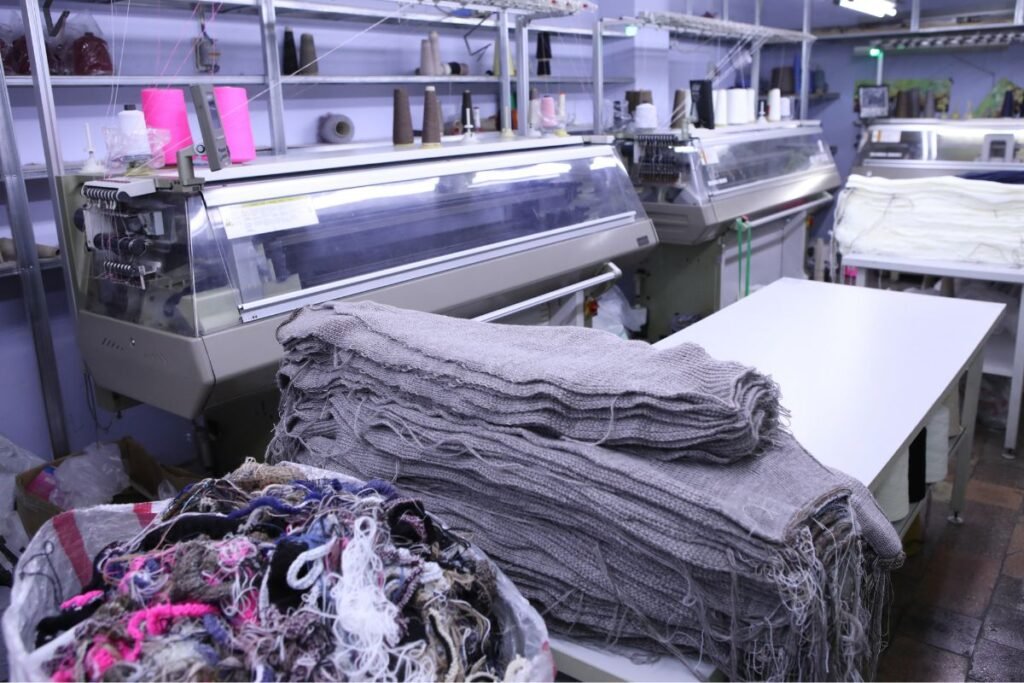
Choosing between knit and woven womenswear is more than a design decision – it influences garment fit, comfort, production efficiency, and overall collection performance. Understanding how each fabric behaves helps fashion brands create products that align with customer expectations while reducing costly sampling revisions and manufacturing risks.
This guide compares knit and woven womenswear and explains how partnering with an experienced womenswear manufacturer can help you make the right choice from concept to production.
Quick Comparison Between Knit and Woven Womenswear
| Factors | Knit Womenswear | Woven Womenswear |
| Fabric Construction | Made by interlocking loops of yarn, creating a flexible fabric structure | Made by weaving warp and weft yarns together for a stable, structured fabric |
| Stretch & Comfort | Naturally stretchy and comfortable, allowing greater freedom of movement | Minimal natural stretch, offering a more tailored and supportive fit. |
| Production Considerations | Requires specialized pattern-making, stretch sewing techniques, and recovery testing | Easier fabric handling during cutting and sewing, with greater dimensional stability |
| Shape Retention | Moderate; may relax over time depending on fabric quality | Excellent dimensional stability and maintains its silhouette |
| Quality Control Focus | Stretch recovery, shrinkage, seam elasticity, and fabric distortion | Dimensional stability, seam strength, garment appearance, and wrinkle performance |
| Common Womenswear Applications | T-shirts, knit dresses, leggings, activewear, sweaters, and loungewear | Blouses, shirts, trousers, skirts, blazers, jackets, and formal dresses |
| Ideal Brand Positioning | Brands focused on comfort, movement, and lifestyle apparel | Brands emphasizing craftsmanship, elegance, and timeless silhouettes |
The Core Difference Between Knit and Woven Womenswear
Knit Fabric
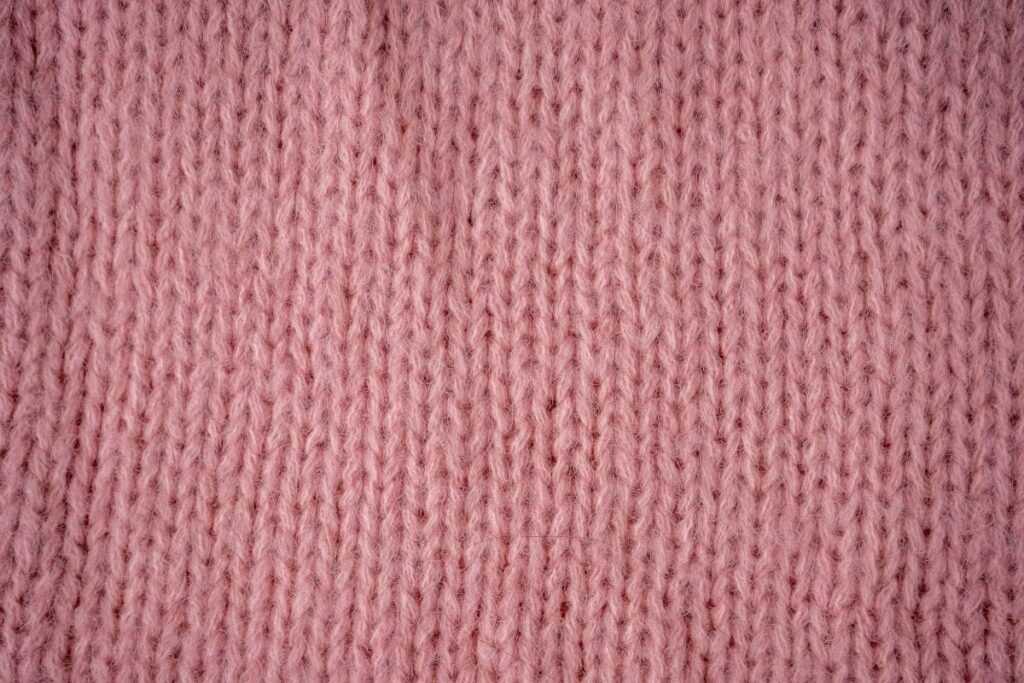
Knit fabric is created by interlocking loops of yarn, giving it natural stretch, softness, and flexibility. It is ideal for womenswear that prioritizes comfort, body movement, and everyday wear, such as casual and active collections.
Woven Fabric
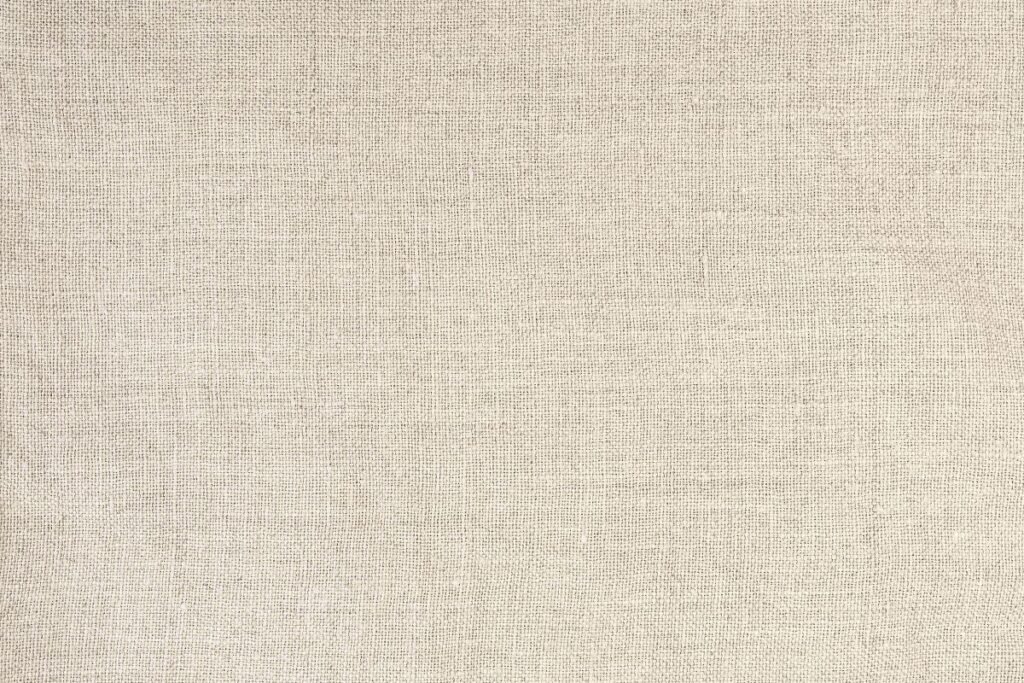
Woven fabric is produced by interlacing warp and weft yarns to create a stable structure with excellent shape retention. It is commonly chosen for tailored womenswear that requires a polished appearance and long-lasting durability.
Construction and Characteristics
| Knit Fabrics | Woven Fabrics | |
| Construction | Formed from interlocking loops made with continuous yarns | Produced by weaving warp and weft yarns together at right angles |
| Performance | Naturally stretches and recovers well, offering superior comfort and freedom of movement | Provides greater dimensional stability with minimal stretch for a structured silhouette |
| Best For | T-shirts, knit dresses, leggings, activewear, sweaters, and loungewear | Blouses, tailored dresses, trousers, skirts, jackets, and formal apparel |
How Do Stretch, Durability, and Care Compare Between Knit and Woven Fabrics?
Stretch, durability, and garment care directly affect customer satisfaction and product longevity. Comparing knit vs woven womenswear helps brands choose fabrics that deliver the right balance of comfort, performance, and maintenance.
| Knit Womenswear | Woven Womenswear | |
| Stretch | High natural elasticity for comfort, flexibility, and body movement. | Limited natural stretch, offering a structured and tailored fit. |
| Durability | Comfortable for everyday wear but may pill or lose shape over time without proper fabric engineering. | Excellent abrasion resistance and dimensional stability, making garments more durable. |
| Shape Retention | Moderate; recovery depends on fiber composition and garment construction. | Superior shape retention that maintains the garment’s silhouette after repeated wear. |
| Care Requirements | Wrinkle-resistant and easy to maintain with gentle washing. | More likely to wrinkle and may require ironing depending on the fabric type. |
What Are the Production Considerations for Knit vs. Woven Fabrics?
Production aspects such as cost, manufacturing processes, and sustainability play a crucial role in fabric selection.
| Aspect | Knit Womenswear | Knit Womenswear |
| Cost | Generally lower due to simpler processes | Potentially higher due to complex weaving |
| Manufacturing Process | Produced on knitting machines using interlocking loops for flexible fabrics | Produced on weaving looms by interlacing warp and weft yarns for stable fabrics. |
| Production Efficiency | Faster fabric production and suitable for high-volume casualwear | Slower fabric production but ideal for precision tailoring and premium garments |
| Quality Control | Focuses on stretch recovery, shrinkage, and seam elasticity | Focuses on dimensional stability, seam strength, and garment appearance |
How Does Fabric Choice Reflect Your Brand Identity?
Fabric selection shapes how customers perceive your brand. Knit fabrics communicate comfort, flexibility, and casual lifestyles, while woven fabrics reinforce premium craftsmanship, structure, and timeless design. The right fabric should support both your product vision and your target market.
Experienced womenswear manufacturers evaluate fabric performance alongside design intent, fit requirements, production efficiency, and retail positioning. This collaborative approach helps brands build consistent collections that reflect their identity while meeting quality, cost, and customer expectations.
Common Mistakes Fashion Brands Make When Choosing Knit or Woven
Selecting the wrong fabric construction can lead to costly product revisions, production delays, and inconsistent garment performance. Avoid these common mistakes when developing your womenswear collection.
- Choosing fabric based only on appearance
A fabric may look suitable, but its stretch, drape, and recovery determine how the finished garment fits and performs.
- Ignoring the garment’s end use
Knit fabrics excel in comfort and movement, while woven fabrics provide structure. Matching fabric to the garment’s purpose is essential.
- Overlooking production requirements
Knit and woven fabrics require different pattern-making, sewing techniques, and quality control processes. Selecting the wrong construction can increase sampling time and manufacturing costs.
- Not testing fabric performance before production
Skipping shrinkage, stretch recovery, or colorfastness testing may result in inconsistent sizing and quality issues after bulk production.
- Working with a manufacturer lacking fabric expertise
Manufacturers experienced in both knit and woven womenswear can recommend suitable materials, optimize production methods, and reduce costly development revisions.
Choose Your Experienced Womenswear Manufacturer
Partnering with an experienced womenswear manufacturer ensures your fabric choice is supported by technical expertise, efficient production, and consistent quality from sampling to bulk manufacturing.
At Capital World Group, we specialize in manufacturing both knit and woven womenswear through a vertically integrated production model. From fabric sourcing and product development to quality control and export, our team helps fashion brands select the right fabric for every collection while supporting minimum order quantities (MOQs) from 5,000 pieces per style. Whether you’re launching casual knitwear or tailored woven garments, we deliver reliable manufacturing solutions that balance quality, efficiency, and speed to market.