
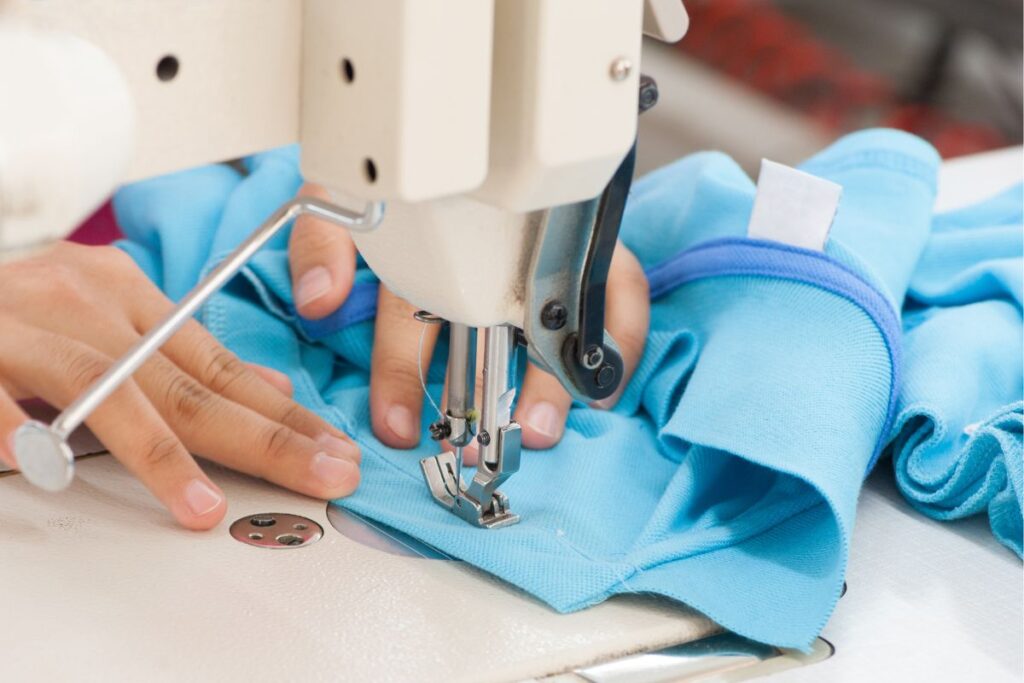
Textile finishing represents the final stage of the manufacturing process, transforming raw fabric into a product ready for wear. Each finishing technique contributes to comfort, aesthetics, and durability. Without these refinements, most textiles would remain coarse, weak, or easily damaged. Finishing enhances softness, improves drape and flow, strengthens fibers, and refines texture for a skin friendly feel. Properly executed finishing ensures every garment combines longevity, elegance, and comfort, which are essential in types of finishing detail for womenswear
Lining fabric method
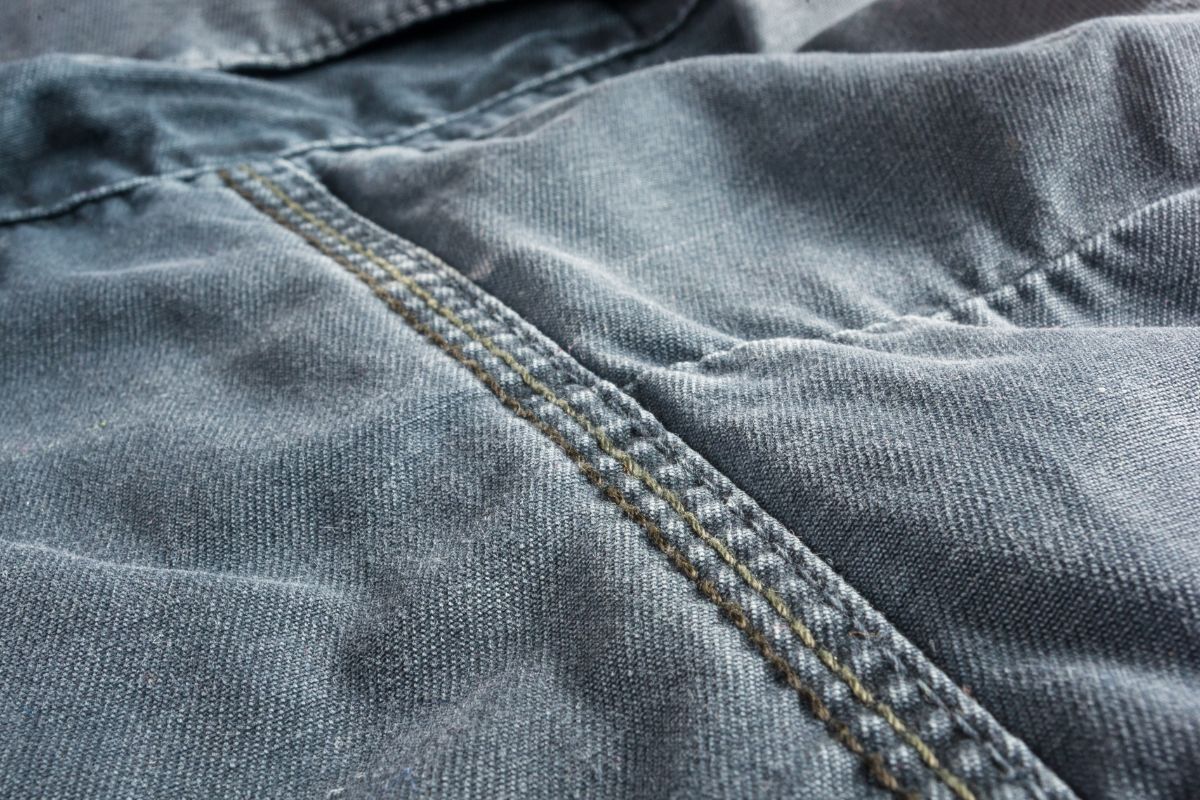
The lining serves as the inner layer of garments, distinct in both function and material. It enhances comfort while protecting the outer fabric and preserving shape. Typically smoother and softer than the exterior, it allows the garment to move gracefully with the body. A well-chosen lining elevates the textile finish and complements the drape of the design.
Purpose:
- Provide a smooth interior finish.
- Conceal inner construction such as seams and interfacings.
- Improve garment drape and overall comfort.
Tips:
- Allow ease in the lining for natural movement.
- Attach at critical seams including neckline, armholes, and waistline.
- Hem the lining slightly shorter to maintain a clean, professional edge.
Interfacing finishing method
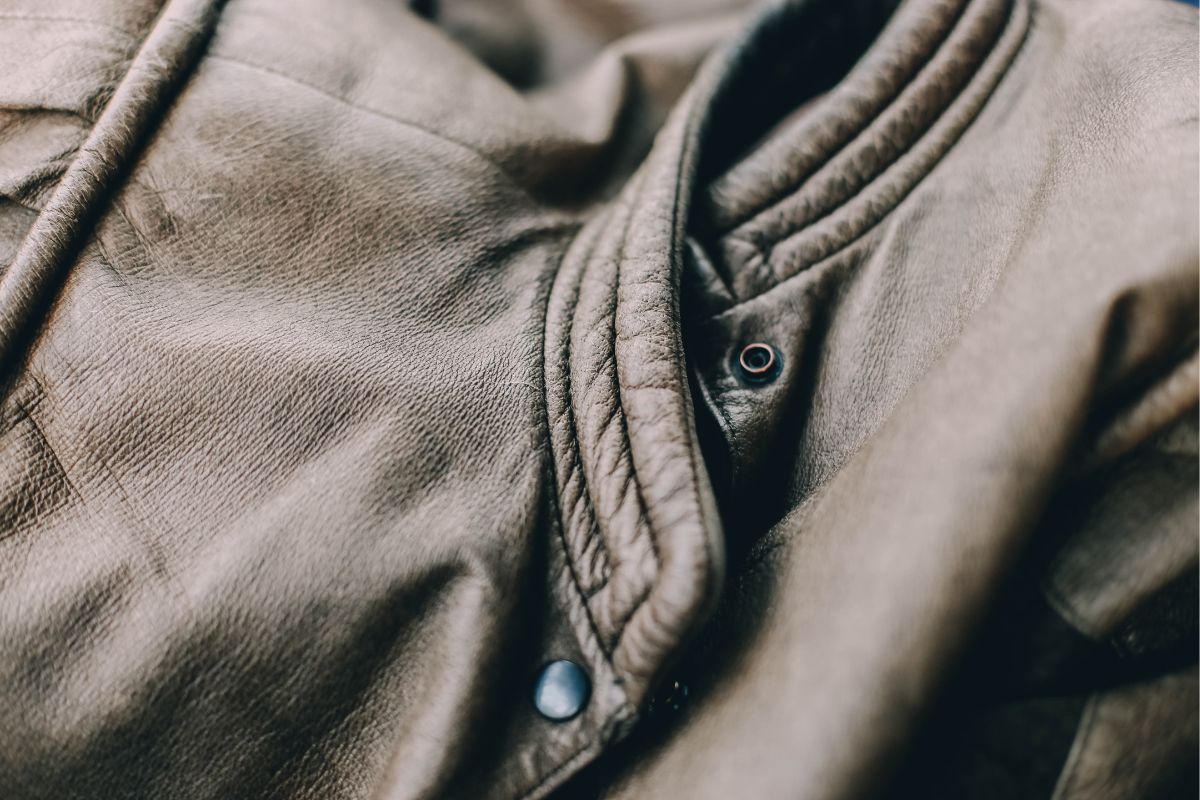
Interfacing is an essential internal component applied beneath the garment fabric to add structure or shape. It plays a key role in ensuring stability in design areas exposed to strain or repetitive motion. Commonly used in collars, cuffs, clothing edges, waistbands, and plackets, interfacing supports both form and function while retaining garment fluidity and drape.
Purpose:
- Provide structure and stability to key sections.
- Prevent stretching or distortion.
- Reinforce closures in high use zones.
Tips:
- Match interfacing weight to the main fabric for balanced performance.
- Test adhesion and texture on fabric scraps before application.
- Choose lightweight fusible interfacings for delicate textiles to maintain softness and flow.
Hems finishing method
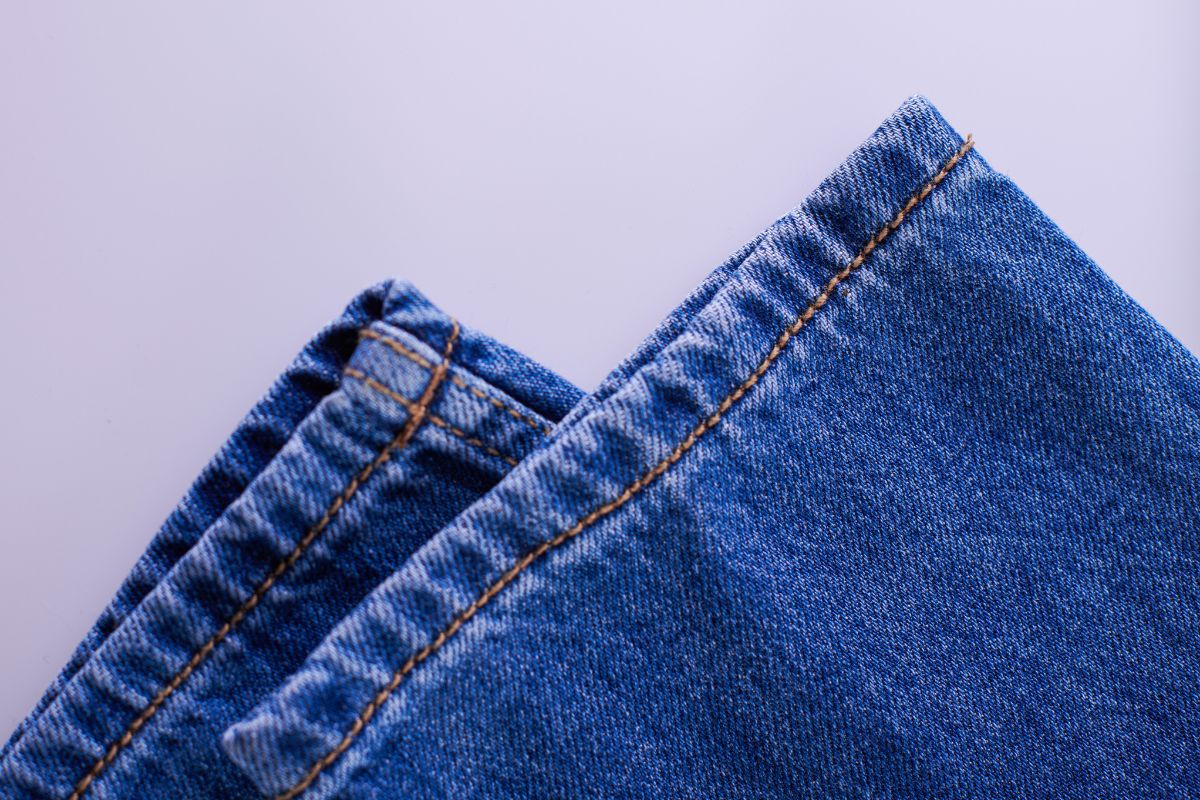
A hem represents the final touch in garment construction. This finishing step involves folding and stitching the clothing edges to secure the fabric, control length, and prevent fraying. Beyond utility, hems influence the garment’s drape, balance, and overall appearance. The choice of hemming technique depends on textile weight, texture, and intended drape.
Purpose:
- Secure raw edges and prevent unraveling.
- Define garment length while adding weight control.
- Deliver a refined, durable finish with clean lines.
Tips:
- Press hems carefully before stitching for accuracy.
- Select suitable thread and stitch settings for each textile finish.
- Hang garments before hemming to ensure natural alignment and even edges.
Kiara Garments of Capital World Group – Your trusted clothing manufacturer in Vietnam
Capital World Group specialises in being a women’s clothing manufacturer producing competitive, quality women’s wear. Our factory, Kiara Garments, focuses on excellence in detail through advanced finishing techniques and quality craftsmanship. Expert teams emphasize lining, interfacing, and hems to achieve superior texture, softness, and drape, which are the essential garment product requirements to maintain quality. Each production step is engineered for consistency, comfort, and style, ensuring premium results across diverse apparel categories.