
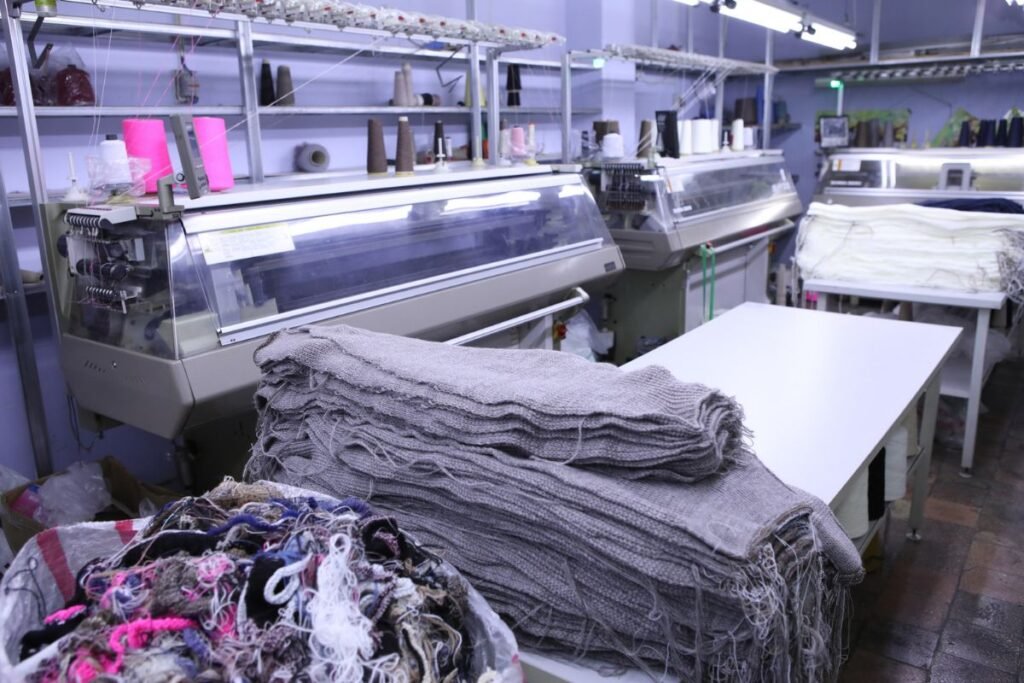
Fashion brands need a manufacturing partner that matches their product requirements, sourcing capabilities, and production goals. However, OEM, ODM, and full-package manufacturing describe different aspects of the manufacturing process.
OEM and ODM primarily distinguish how brands and manufacturers approach product design and development. Full-package manufacturing focuses on coordinating a broader range of production activities, including material sourcing, sampling, and bulk manufacturing. Understanding these differences helps brands choose the right supplier and allocate resources effectively.
What Is the Difference Between OEM, ODM, and Full-Package Manufacturing?
OEM, ODM, and full-package manufacturing differ in design responsibility, development support, and the scope of services a manufacturer provides.
What Is OEM Apparel Manufacturing?
Original Equipment Manufacturing (OEM) involves producing garments according to the brand’s designs and specifications. The brand directs the product requirements, while the manufacturer executes the agreed production work.
OEM suits brands that already have a clear product concept and want to maintain control over their designs.
Typical responsibilities include:
- Brand: Provides designs, technical packs, measurements, and product requirements.
- Manufacturer: Produces samples, manufactures garments, and performs agreed quality checks.
- Sourcing: The brand or manufacturer manages materials, depending on the contract.
OEM is a suitable option for established fashion brands that need a manufacturing partner to execute their product specifications consistently.
What Is ODM Apparel Manufacturing?
Original Design Manufacturing (ODM) involves a manufacturer contributing to product design and development before production. The brand selects, reviews, and approves the proposed design or development direction.
Typical responsibilities include:
- Brand: Defines the target market, product requirements, customization needs, and approval criteria.
- Manufacturer: Contributes design concepts or existing product designs and develops samples within the agreed scope.
- Sourcing: The manufacturer or brand manages materials according to the contract.
ODM suits brands that need more product-development support or want to adapt manufacturer-developed designs. Before production, confirm design ownership, customization rights, and any exclusivity terms in writing
What Is Full-Package Apparel Manufacturing?
Full-package apparel manufacturing coordinates multiple stages of garment production through one supplier. Depending on the agreement, the scope covers fabric and trim sourcing, pattern making, sampling, bulk production, quality control, finishing, packing, and export coordination.
Typical responsibilities include:
- Brand: Sets product requirements, approves materials and samples, and confirms order quantities and quality standards.
- Manufacturer: Coordinates the agreed development, sourcing, production, and finishing activities.
- Commercial terms: Define material costs, delivery responsibilities, quality requirements, and export arrangements.
Full-package manufacturing suits brands that want to reduce the workload of coordinating multiple suppliers. However, it does not automatically include original design services; confirm the exact scope before placing an order.
Understanding the garment manufacturing process helps brands identify the key stages, responsibilities, and quality checkpoints required to turn product specifications into finished garments.
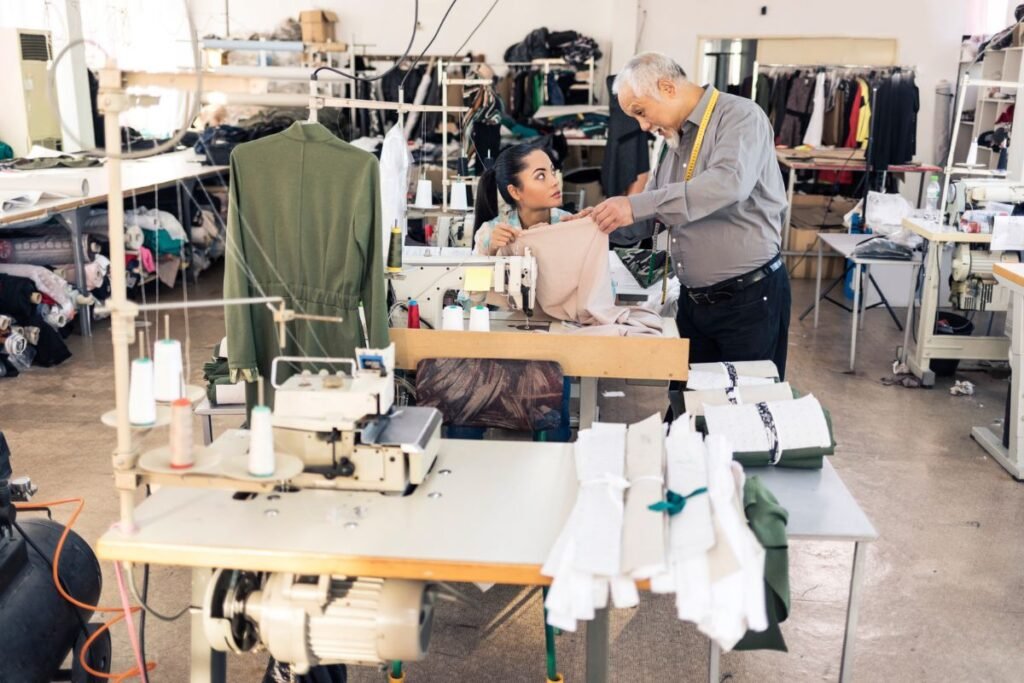
OEM vs. ODM vs. Full-Package: Which Model Is Best for Your Brand?
Choose the model that matches your design readiness, internal sourcing resources, and preferred level of production coordination.
Choose OEM for Brand-Led Designs
Choose OEM when your brand already has a defined product concept and detailed specifications.
This model suits brands that prioritize:
- Control over design direction and garment specifications.
- Consistent execution of established product standards.
- A clear division of responsibilities between the brand and manufacturer.
Confirm whether the manufacturer also handles fabric sourcing, sampling, and export coordination. OEM does not automatically include every service.
Choose ODM for Manufacturer-Led Design Support
Choose ODM when your brand needs help developing products from initial concepts or adapting existing manufacturer-developed designs.
This model suits brands that prioritize:
- Access to manufacturer design and technical expertise.
- Support translating product ideas into manufacturable garments.
- A development process with defined review and approval stages.
Agree on customization, pattern ownership, intellectual property, and exclusivity before approving the final design.
Choose Full-Package for Broader Production Coordination
Choose full-package manufacturing when your brand wants one supplier to coordinate multiple production stages.
This model suits brands that prioritize:
- Coordinated fabric and trim sourcing.
- Sampling, bulk manufacturing, and quality control under an agreed scope.
- Fewer handoffs between separate suppliers.
- Clearer coordination of production schedules and delivery requirements.
Full-package does not eliminate the brand’s responsibilities. Your team still needs to approve product specifications, samples, costs, and quality standards.
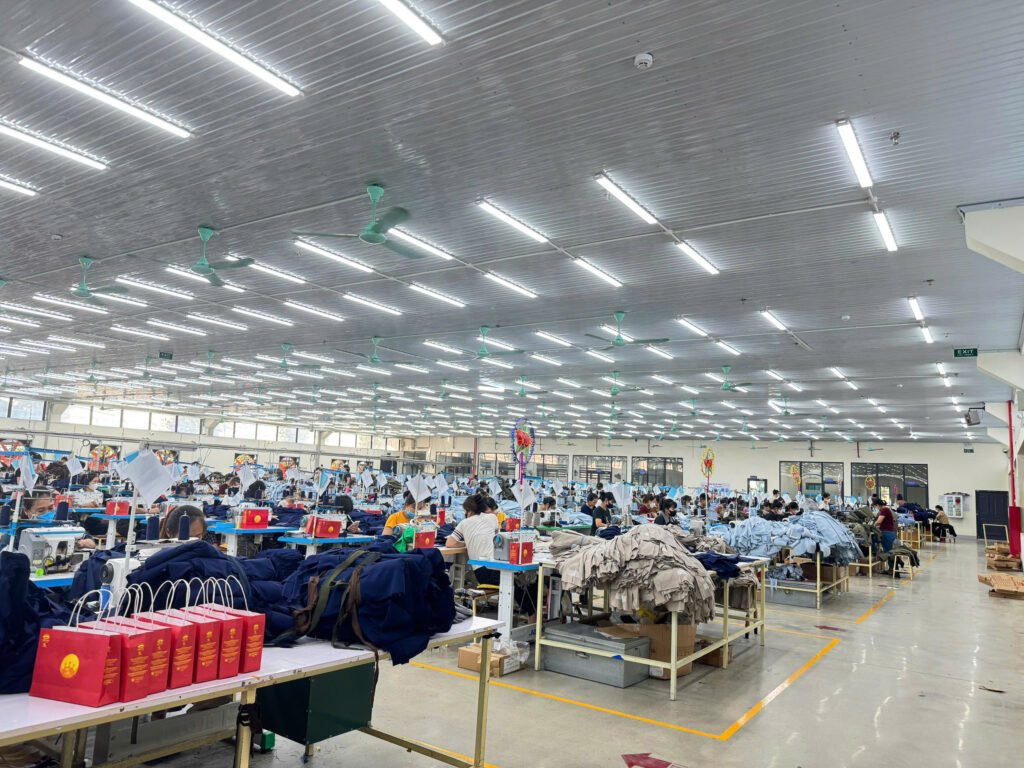
OEM vs. ODM vs. Full-Package: Key Differences Compared
Key Differences Compared between OEM – ODM – Full Package
| Comparison factor | OEM | ODM | Full-package |
| Design direction | Brand-led | Manufacturer-led or collaborative | Depends on the agreement |
| Product development | Based on brand specifications | Manufacturer contributes to development | Included according to scope |
| Fabric and trim sourcing | Brand or manufacturer | Brand or manufacturer | Typically coordinated by manufacturer |
| Sampling | Based on the brand’s specifications | Includes development of proposed designs | Typically included in the agreed scope |
| Pricing | Depends on sourcing and production scope | Includes agreed design and development services | Often combines materials and production costs |
| Quality control | Shared according to agreed responsibilities | Shared according to agreed responsibilities | Manufacturer coordinates agreed checks |
| Supply-chain coordination | Depends on the contract | Depends on the contract | Broader coordination through one supplier |
| Best suited for | Brands with established designs | Brands needing design support | Brands seeking broader production management |
Design Ownership and Product Development
The key question is who originates the design and manages development.
- OEM: The brand supplies the design direction and technical specifications.
- ODM: The manufacturer contributes design concepts or product-development work.
- Full-package: Development support depends on the services included in the agreement.
Brands should clarify who owns patterns, technical files, and newly developed designs. They should also agree on customization rights and whether the manufacturer can offer similar designs to other buyers.
Fabric and Trim Sourcing Responsibilities
Material sourcing determines who coordinates suppliers, manages purchasing, and handles material availability.
- OEM: The brand or manufacturer sources materials according to the contract.
- ODM: Sourcing responsibilities depend on the development and production arrangement.
- Full-package: The manufacturer typically coordinates fabric and trim sourcing within the agreed scope.
Before production, confirm material specifications, approved suppliers, minimum order quantities, and substitution rules. This helps prevent unexpected changes to garment quality, cost, or delivery schedules.
Cost Structure and Budget Control
Manufacturing costs depend on material choices, garment complexity, order volume, development requirements, and the services included in the quotation.
- OEM: Costs reflect the agreed development, sourcing, and manufacturing responsibilities.
- ODM: Costs also account for the design and development services included in the agreement.
- Full-package: Quotes typically combine material sourcing and production costs, with additional services included as agreed.
Sampling, Production, and Quality Control
Sampling helps brands verify fit, construction, materials, and finishing before approving bulk production.
- OEM: The manufacturer develops samples against the brand’s specifications.
- ODM: The brand reviews and approves manufacturer-developed designs and samples.
- Full-package: The supplier coordinates sampling and production within the agreed scope.
Define sample approval milestones, inspection requirements, defect criteria, and corrective-action responsibilities before bulk production begins. Written approvals help both parties work toward the same quality standard.
Flexibility, Lead Time, and Supply-Chain Management
Lead times depend on design readiness, material availability, sampling revisions, production capacity, and shipping arrangements.
- OEM: Established specifications help focus work on execution, provided materials and approvals are ready.
- ODM: Design development and customization add steps that require timely decisions.
- Full-package: One supplier coordinates more activities, reducing the need for separate supplier handoffs.
Ask manufacturers for a schedule covering material sourcing, sampling, approvals, bulk production, and shipment. Confirm which milestones depend on your team’s decisions and which depend on supplier readiness.
An integrated production structure helps reduce handoffs between suppliers and improves coordination across manufacturing stages. Learn how vertical integration in apparel manufacturing supports production efficiency and consistent quality.
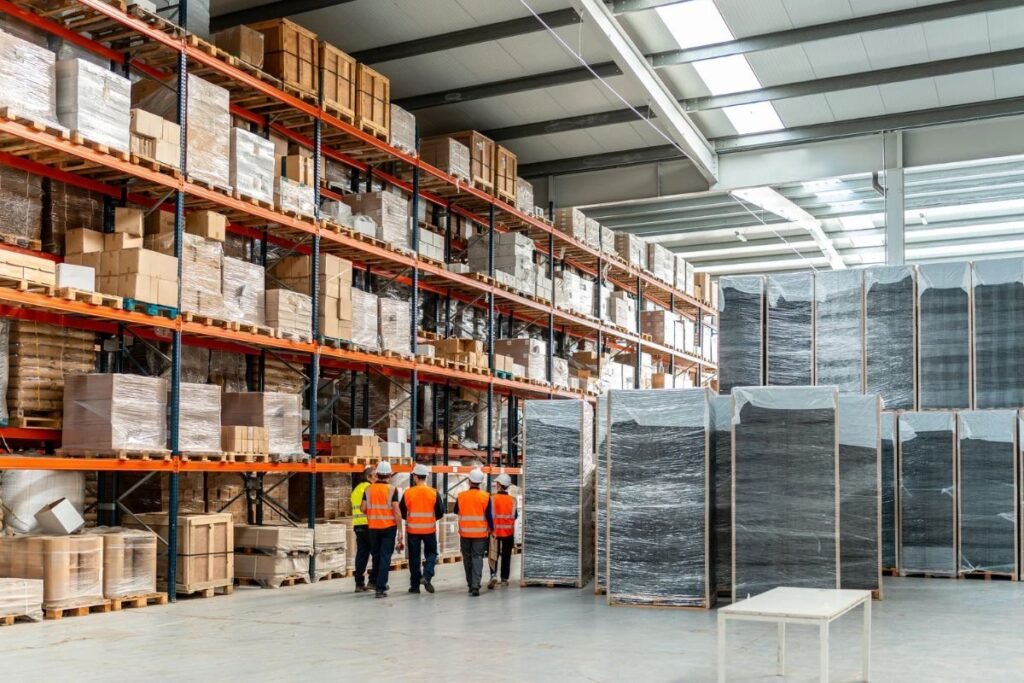
How Capital World Group Supports OEM, ODM, and Full-Package Apparel Production
Capital World Group combines product development, material sourcing, and garment manufacturing to support fashion brands seeking a coordinated production partner in Vietnam. Its responsibilities span key stages of the supply chain, with services defined by each order’s requirements.
Capital World Group’s manufacturing capabilities and responsibilities include:
- Fabric and trim sourcing: Sources materials and coordinates fabric development according to design specifications, cost targets, and production needs.
- Pattern making and sample development: Converts brand designs into patterns and prototypes, supporting fit reviews and sample approvals.
- OEM and ODM manufacturing: Produces garments to brand-provided specifications and supports product development within the agreed scope.
- Bulk production: Manufactures knit and woven ladieswear, including tops, dresses, skirts, pants, shorts, and jumpsuits.
- Quality control and finishing: Coordinates quality checks, garment finishing, and packing to meet agreed requirements.
- Shipping assistance: Supports export preparation and shipment coordination.
By connecting these services, CWG helps brands coordinate product development through bulk production while reducing handoffs between suppliers. Brands should confirm material responsibilities, design ownership, quality standards, and delivery terms before production begins.
FAQs about Manufacturing Models
What Is the Main Difference Between OEM and ODM?
OEM follows brand-led designs and specifications, while ODM includes manufacturer-led or assisted design development. Capital World Group’s relevant capabilities depend on the agreed product-development and manufacturing scope.
Is Full-Package Manufacturing the Same as OEM?
No. OEM describes manufacturing based on buyer-led designs, while full-package describes a broader service scope. An OEM order can also use full-package services when the contract includes sourcing and production coordination.
What Is the Difference Between CMT and FOB?
CMT covers cutting, making, and trimming, with the buyer typically supplying materials. FOB-style sourcing commonly includes material sourcing and manufacturing, with delivery responsibilities defined by the agreed trade terms.
Which Manufacturing Model Is Best for Fashion Brands?
OEM suits brands with established designs, ODM suits brands needing design support, and full-package suits brands seeking broader production coordination. Choose based on internal resources, product readiness, and required supplier responsibilities.
What Should Brands Check Before Choosing a Vietnam Apparel Manufacturer?
Review production capabilities, material sourcing, sampling, quality controls, certifications, minimum order quantities, and delivery terms. Capital World Group provides integrated ladieswear manufacturing, with the exact service scope confirmed for each order.