
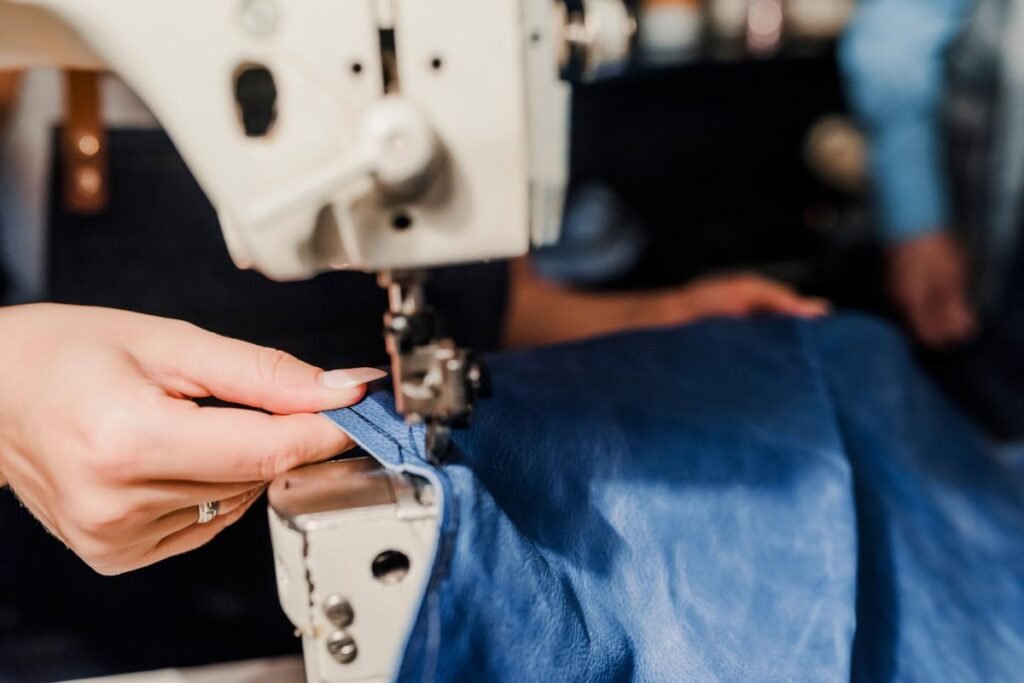
Garment making is the process of turning a clothing design into a finished product that meets the required specifications, quality standards, and production quantities. It involves technical development, fabric sourcing, pattern making, sampling, cutting, sewing, finishing, quality control, and packing.
For fashion brands, understanding the garment manufacturing process helps prevent specification errors, reduce unnecessary sample revisions, and maintain consistent quality across bulk orders. Each stage has a defined purpose, and the decisions made during product development directly affect the final garment.
What Is Garment Making?
Garment making is the process of converting fabric, trims, and technical specifications into finished clothing. A garment manufacturer coordinates the materials, production methods, equipment, and quality checks required to produce garments according to a brand’s requirements.
The process generally follows three phases:
- Pre-production: The manufacturer reviews the tech pack, confirms costing, sources materials, develops patterns, and produces samples for approval.
- Bulk production: The factory prepares the fabric, cuts garment panels, and assembles the pieces through sewing and other construction operations.
- Post-production: The manufacturer finishes, inspects, labels, packs, and prepares the garments for shipment.
The exact workflow depends on the garment’s design, construction, materials, and order requirements. However, every stage must follow the approved product specifications to maintain consistency between the sample and the finished bulk order.
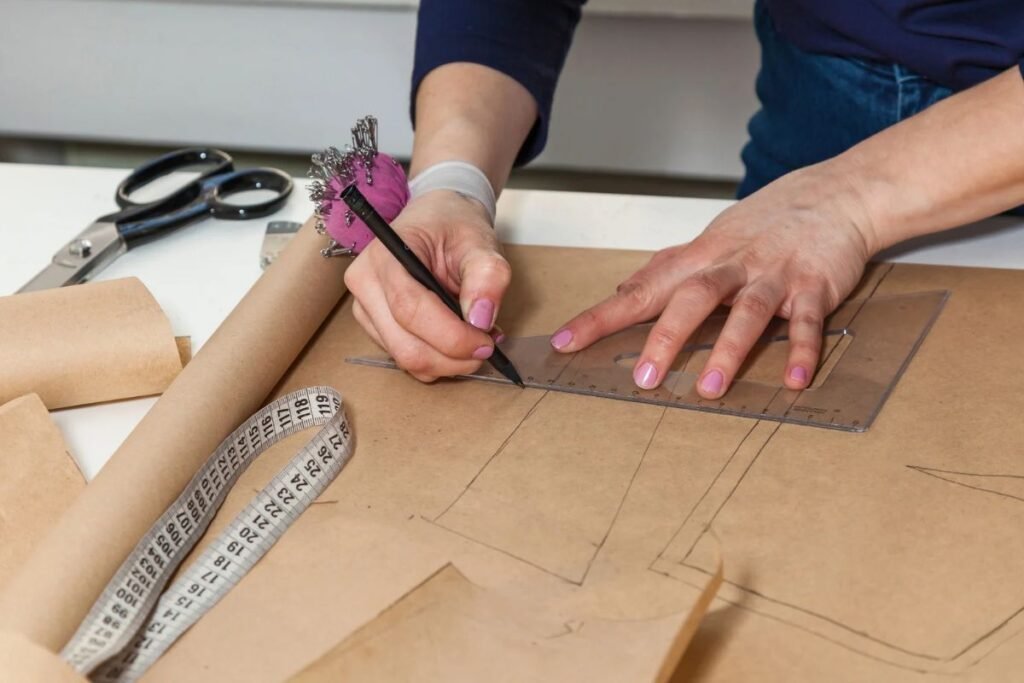
The Garment Manufacturing Process: From Tech Pack to Bulk Production
The garment manufacturing process follows a series of connected steps, from technical review to shipment. Each step produces information, materials, or approved components that the next stage needs to proceed.
| Step | Manufacturing stage | Main objective |
| 1 | Tech pack review | Confirm garment specifications |
| 2 | Costing and feasibility | Establish production requirements and costs |
| 3 | Fabric and trim sourcing | Secure suitable, approved materials |
| 4 | Pattern making and grading | Develop accurate patterns and sizes |
| 5 | Sample development and approval | Validate fit, construction, and appearance |
| 6 | Pre-production planning | Prepare the approved bulk production process |
| 7 | Fabric inspection and cutting | Prepare accurate garment panels |
| 8 | Sewing and assembly | Construct the garments |
| 9 | In-line quality control | Identify and correct production defects |
| 10 | Finishing and final inspection | Verify the finished garment |
| 11 | Packing and shipment | Prepare the order for delivery |
Step 1: Review the Tech Pack and Confirm Product Specifications
A tech pack, short for technical package, is the document that communicates how a garment should be manufactured. It gives the factory a technical reference for interpreting the design, developing samples, calculating costs, and producing the final order.
- Technical drawings showing the front, back, and relevant garment details.
- Measurement charts with points of measurement and tolerances.
- Fabric composition, weight, color, and trim specifications.
- Construction details, including seams, stitching, and closures.
- Artwork, branding, label, and packaging instructions.
Common mistake: Sending a design sketch without sufficient measurements, construction details, or material specifications.
How to prevent it: Confirm the tech pack’s completeness and establish one controlled document version before sampling. If the design requires clarification, resolve the outstanding details with the brand before proceeding.
Step 2: Confirm Costing and Production Feasibility
After reviewing the tech pack, the manufacturer evaluates the garment’s construction, material requirements, order quantity, and production complexity. This assessment helps establish a quotation and determine whether the order fits the factory’s capabilities and production schedule.
The manufacturer typically considers:
- Fabric and trim consumption.
- Labor and construction complexity.
- Minimum order quantity (MOQ).
- Sampling and bulk production requirements.
- Expected lead time and delivery schedule.
For example, two dresses with similar silhouettes may have different production costs if one requires complex pleating, specialized fabric, additional lining, or more intricate finishing.
Common mistake: Comparing supplier quotations without confirming that each supplier has priced the same specifications, materials, quantities, and construction requirements.
How to prevent it: Align the product specifications and commercial assumptions before comparing quotations or confirming the purchase order.
Step 3: Source and Approve Fabric and Trims
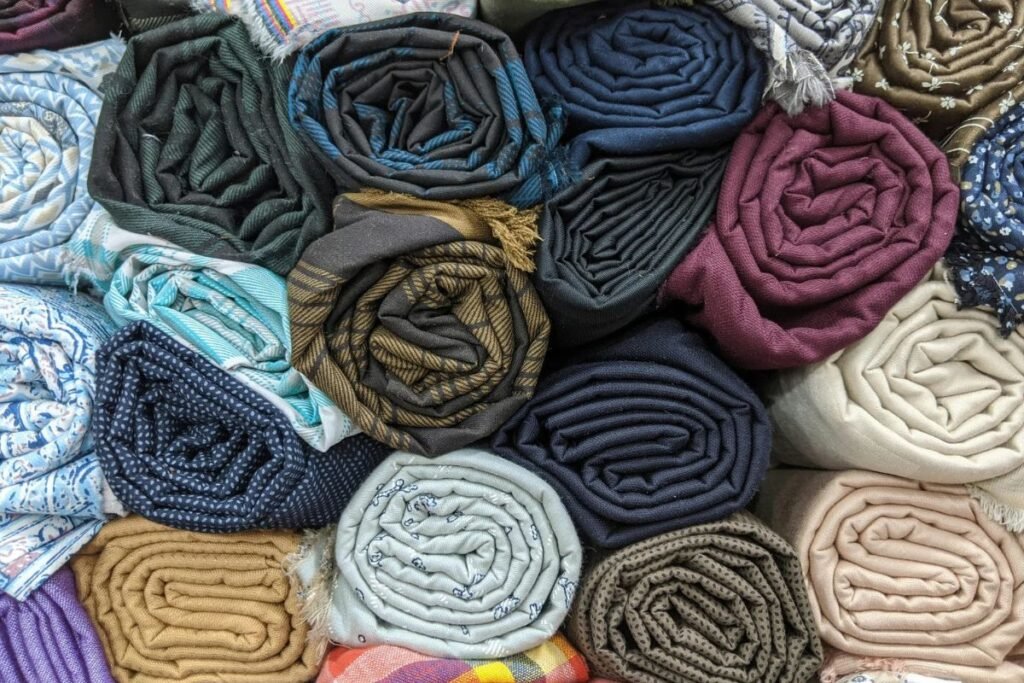
Fabric and trim sourcing determines which materials the factory will use to manufacture the garment. The manufacturer selects or develops materials according to the approved design, performance requirements, and budget.
Fabric selection involves more than appearance. Fiber composition, fabric weight, stretch, drape, shrinkage, and colorfastness affect how the garment fits, looks, and performs. Buttons, zippers, thread, labels, elastic, and other components must suit the garment’s construction and intended use.
Common mistake: Selecting fabric based only on color or hand feel without checking its performance during cutting, sewing, and finishing.
How to prevent it: Confirm the material specifications and conduct the required checks before approving fabric and trims for production. Brands should also review relevant fabric testing standards when defining material performance requirements.
Step 4: Develop Patterns and Grade Sizes
Pattern making converts the garment’s design and measurements into individual pieces that the factory uses to cut fabric. Pattern makers consider the garment’s shape, construction, fit, and material behavior when developing these pieces.
Once the base pattern is established, size grading adjusts its dimensions to create the required size range. The manufacturer also uses the pattern to plan fabric consumption and arrange the garment pieces for cutting.
Step 5: Develop Samples and Approve the Fit
Garment sampling allows the brand and manufacturer to evaluate a physical product before committing to bulk production. The sample reveals whether the design, measurements, fabric, trims, and construction work together as intended.
Common sample types include:
| Sample type | Purpose |
| Prototype sample | Tests the initial design and construction |
| Fit sample | Evaluates measurements, proportions, and fit |
| Size set | Checks fit and grading across selected sizes |
| Pre-production sample | Confirms the final specifications and materials before bulk production |
| Top-of-production sample | Checks an early garment from the bulk production run |
Common mistake: Approving a sample without documenting outstanding corrections or confirming the final fabric and trims.
How to prevent it: Record sample comments clearly, track revisions, and approve the final production reference before releasing the order for bulk manufacturing.
Step 6: Finalize Pre-Production Planning
Pre-production planning prepares the factory to reproduce the approved sample consistently across the order. The manufacturer coordinates the production schedule, material availability, size breakdown, cutting plan, sewing operations, and quality checkpoints.
Before bulk production begins, the team should confirm:
- The final tech pack and approved sample.
- Fabric, trims, and other required materials.
- Order quantities and size ratios.
- Production instructions and quality requirements.
- The production schedule and delivery expectations.
This stage also establishes how the factory will communicate production progress and handle deviations from the approved specifications.
Step 7: Inspect Fabric and Cut Garment Panels
Fabric inspection checks incoming materials against the approved requirements before production uses them. The factory then prepares the fabric for cutting, spreads it into layers where appropriate, and arranges the pattern pieces according to the cutting marker.
Accurate cutting determines whether the garment panels match the required shapes and dimensions. It also affects fabric utilization and the consistency of the sewing process.
Key activities include:
- Inspecting fabric defects and shade variations.
- Checking fabric width and usable material.
- Preparing the fabric for spreading and cutting.
- Aligning pattern pieces and cutting the required sizes.
- Identifying and organizing cut panels for assembly.
Step 8: Sew and Assemble the Garments
Sewing and assembly join the cut fabric panels and other components to create the garment. Operators follow the approved construction instructions and use suitable equipment for the fabric and garment design.
During sewing, production teams monitor stitch quality, seam allowances, component alignment, and workmanship. They also check whether the garment’s construction follows the approved sample and technical specifications.
Common mistake: Starting a large production run without checking the first completed garments for construction and workmanship defects.
How to prevent it: Verify the initial production output, confirm machine settings and construction methods, and correct identified issues before they affect additional garments.
Step 9: Conduct In-Line Quality Control
In-line quality control (QC) checks garment quality while manufacturing is underway. Instead of waiting until the order is finished, the factory inspects selected production stages to identify defects early and prevent recurring problems.
Typical checks include:
- Stitching and seam construction.
- Panel alignment and garment assembly.
- Measurements and construction details.
- Defects that require rework or corrective action.
Common mistake: Relying entirely on final inspection to identify defects that developed during cutting or sewing.
How to prevent it: Establish quality checkpoints throughout production and communicate corrective actions to the relevant teams. Learn more about quality control procedures in garment manufacturing to understand how inspections protect product consistency.

Step 10: Finish and Inspect the Finished Garments
Finishing prepares garments for delivery by completing the operations required for their final appearance and presentation. Depending on the product, these operations include thread trimming, pressing, washing, label attachment, and other specified finishing treatments.
Final inspection checks whether the finished garments meet the agreed requirements before packing.
Inspectors typically review:
- Measurements and overall appearance.
- Stitching, seams, and construction quality.
- Fabric defects, stains, and loose threads.
- Buttons, zippers, labels, and other components.
- Finishing quality and required product details.
Common mistake: Checking appearance while overlooking measurements, functional components, or label accuracy.
How to prevent it: Use documented inspection criteria based on the approved tech pack and sample. Address defects before the garments move to packing.
Step 11: Pack and Prepare the Order for Shipment
Packing is the final stage of the garment manufacturing process. The factory prepares the finished garments according to the brand’s packaging and shipping instructions.
This stage includes folding, individual packaging where required, assortment checks, carton preparation, labeling, and the completion of applicable shipping documents.
Before dispatch, the team should verify:
- Garment quantities by style, color, and size.
- Folding and packaging requirements.
- Carton quantities and shipping marks.
- Packing lists and applicable export documentation.
- Shipment arrangements and agreed delivery terms.
Common mistake: Treating packing as a simple final task without checking the buyer’s assortment and documentation requirements.
How to prevent it: Confirm the packing instructions before production finishes and verify carton contents and shipment documents before dispatch.
How to Choose a Garment Manufacturer for Bulk Production
Choosing the right garment manufacturer requires evaluating product expertise, production capacity, quality control, and supply chain coordination to ensure reliable bulk production.
- Evaluate Product Expertise: Choose a manufacturer experienced in your garment categories, fabrics, and construction methods.
- Check Production Capacity: Confirm MOQ, production capacity, and lead times match your order requirements.
- Review Quality Control: Check inspection procedures, quality documentation, and defect management processes.
- Assess Supply Chain Coordination: Look for coordinated sourcing, sampling, production, finishing, and packing services.
- Verify Communication and Reliability: Ensure the manufacturer communicates clearly, manages approvals, and provides realistic production updates.
A suitable manufacturing partner helps brands maintain product consistency, manage production risks, and deliver bulk orders according to agreed specifications.
Brands evaluating different manufacturing models can also explore vertical integration in apparel manufacturing to understand how coordinated operations support production control and quality consistency.
How Capital World Group Supports Garment Making From Tech Pack to Bulk Production
Capital World Group is a vertically integrated womenswear manufacturer in Vietnam, connecting fabric sourcing, product development, sampling, bulk production, quality control, and export. This approach helps fashion brands coordinate production from approved specifications to finished garments.
Capital World Group’s manufacturing services and capabilities include:
- Fabric Sourcing and Development: Sources knit and woven fabrics to meet product specifications, quality, and cost targets.
- Product Development and Sampling: Provides in-house pattern making, sample development, and a 10-day prototype turnaround, with capacity for approximately 500 samples per week.
- Bulk Manufacturing: Owns and operates 2 different production facilities, one of which has 18 production lines with around 800 workers, producing womenswear including tops, blouses, dresses, pants, skirts, shorts, and jumpsuits.
- Quality Control: Implements quality checks throughout production, from incoming materials to finished garments and final inspection.
- Quality and Sustainability Standards: Works with recognized frameworks and credentials, including ISO 9001, Higg FEM, amfori BSCI, and SLCP.
- Export Coordination: Ships through Hai Phong Port or Hanoi Airport to support international orders.
Capital World Group provides a manufacturing partnership focused on product requirements, production coordination, and consistent quality. Contact us now to discuss your womenswear collection, technical specifications, order requirements, and bulk manufacturing needs.
FAQs About Garment Making
1. What are the main steps in garment making?
The main steps include tech pack review, costing, fabric and trim sourcing, pattern making, sampling, pre-production planning, cutting, sewing, in-line quality control, finishing, final inspection, packing, and shipment.
2. What is a tech pack in garment manufacturing?
A tech pack is a technical document that explains how to make a garment. It typically includes technical drawings, measurements, fabric and trim specifications, construction instructions, labels, artwork, and packaging requirements.
3. Why is sampling important before bulk production?
Sampling allows the brand and manufacturer to verify the garment’s fit, measurements, materials, construction, and appearance before producing larger quantities. It helps identify specification issues while corrections are still manageable.
4. What is the difference between sampling and bulk production?
Sampling produces garments for development, evaluation, and approval. Bulk production manufactures the approved garment in the required order quantity using the finalized specifications, materials, and production instructions.
5. How does vertical integration benefit garment manufacturing?
Vertical integration connects stages such as material sourcing, product development, production, quality control, and logistics within one coordinated supply chain. It reduces supplier handoffs and helps manufacturers manage information and quality across the production process.