
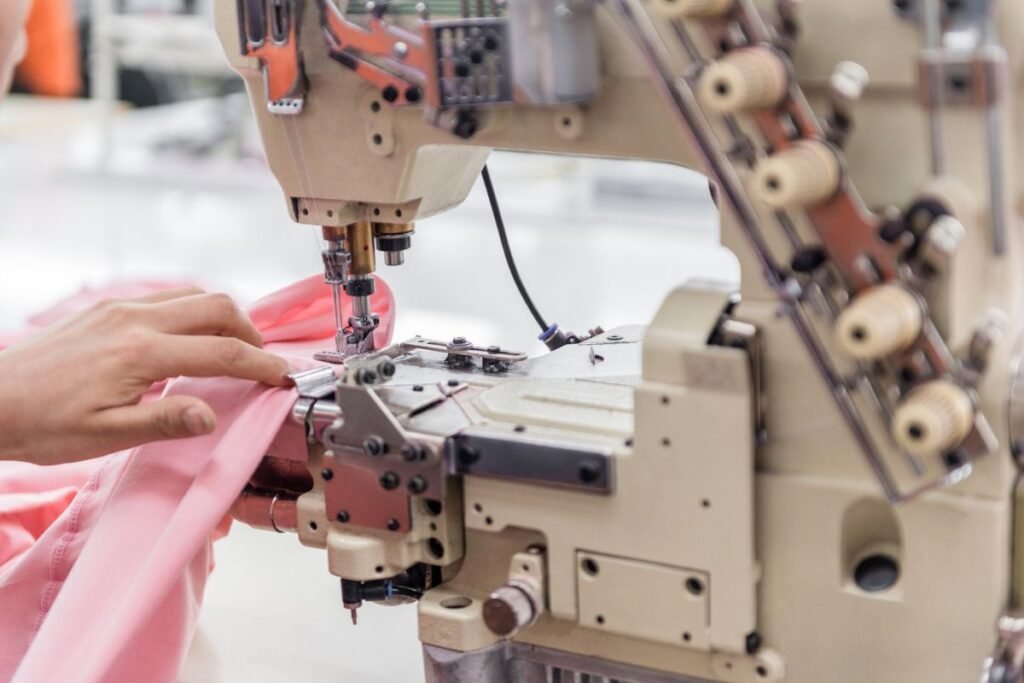
Custom garment manufacturing in Vietnam produces apparel to a fashion brand’s specifications, from design and fabric selection to sampling, bulk production, quality control, and export. Choosing the right manufacturer requires evaluating product expertise, minimum order quantity (MOQ), quality systems, and supply-chain capabilities.
This guide explains the manufacturing process, outlines manufacturers’ responsibilities, and helps fashion brands select reliable partners that meet their quality, cost, and production requirements.
What Is Custom Garment Manufacturing in Vietnam?
Custom garment manufacturing in Vietnam involves producing clothing to a fashion brand’s specifications, including design, measurements, fabrics, colors, construction, branding, and finishing. Manufacturers differ in product expertise, production capacity, and supply-chain integration, so brands should assess each partner against their requirements.
The process typically includes:
- Product development and pattern making: Preparing designs, patterns, and size grading.
- Sourcing and sampling: Selecting fabrics and trims, then developing samples for approval.
- Bulk production and quality control: Manufacturing garments and checking them against agreed standards.
- Finishing and export: Applying labels, packing products, and coordinating shipment requirements.
Full-package manufacturers manage more production stages, while CMT factories focus on cutting, making, and trimming. Learn more in Capital World Group’s guide to OEM, ODM, and private-label manufacturing.
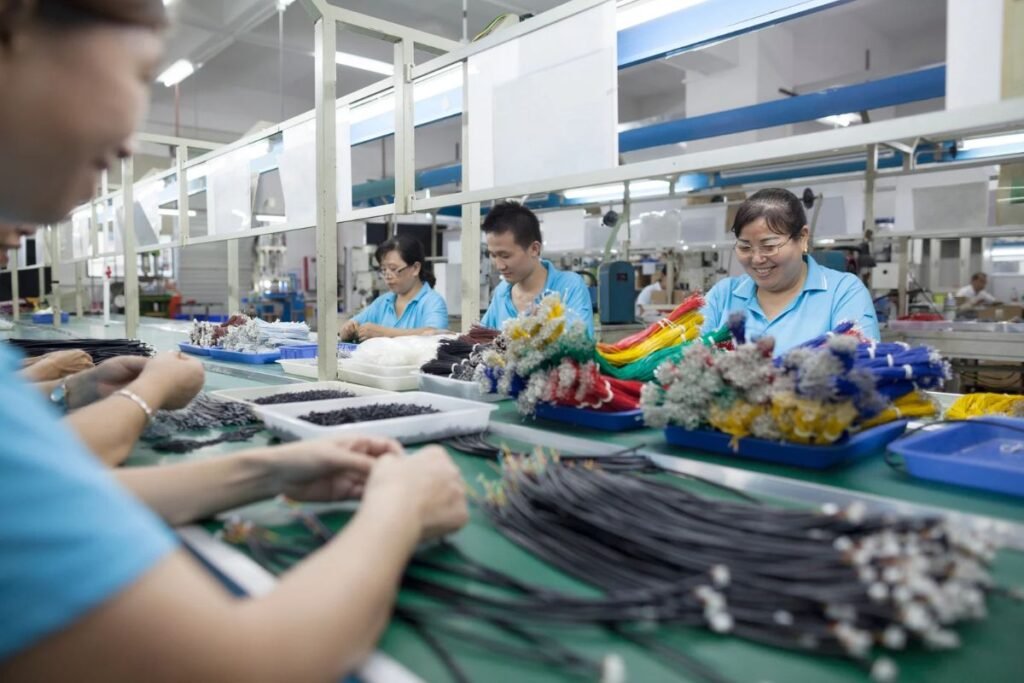
Who Needs Custom Garment Manufacturing?
Custom garment manufacturing is suited to businesses that need control over product specifications and a production partner capable of meeting their commercial requirements.
1. Established Fashion Brands
Established brands use custom manufacturing to develop seasonal collections, expand product categories, and maintain consistent product specifications across orders. They typically evaluate manufacturing capacity, quality management, sourcing reliability, and the ability to support repeat production.
2. Womenswear Brands Developing Exclusive Collections
Womenswear brands often require specific silhouettes, fabric drape, fit, construction, and finishing details. A manufacturer with relevant experience in dresses, tops, skirts, pants, and other womenswear categories is better positioned to assess these requirements.
3. Brands Expanding Their Production Network
Brands seeking additional manufacturing partners need to assess whether a new supplier fits their order volumes, quality standards, sourcing strategy, and delivery requirements. Vietnam is one market to evaluate when diversifying an apparel supply chain.
4. Sourcing and Production Teams
Sourcing managers and production teams need clear responsibilities, dependable communication, and visibility into sampling, material availability, production scheduling, and quality control.
A manufacturer that coordinates multiple stages of production can reduce the number of separate suppliers a brand needs to manage. However, the value depends on the services included and how well the manufacturer executes them.
What Problems Does Custom Garment Manufacturing Solve?
Custom garment manufacturing helps brands address several common production challenges when the manufacturing partner and production model match their needs.
- Limited material control: Fabric specifications, trim approvals, and sourcing checks help align materials with the intended design and performance.
- Production coordination issues: A manufacturer with integrated development and production capabilities coordinates more stages through one partner.
- Quality problems discovered too late: In-line inspections and final quality checks help identify defects before the entire order is completed.
- Unclear production expectations: Written specifications, approved samples, quantity agreements, and milestone reviews clarify what both parties must deliver.
- Compliance and traceability concerns: Relevant factory audits, certifications, material records, and production documentation help buyers assess supplier practices.
Custom manufacturing does not automatically eliminate defects, delays, or sourcing risks. Brands still need clear specifications, realistic timelines, effective communication, and a documented approval process.
How Does Custom Garment Manufacturing in Vietnam Work?
Custom garment manufacturing typically follows a sequence from product briefing to shipment. The exact workflow depends on the product, manufacturing model, material requirements, and agreement between the brand and factory.
Step 1: Define the Design and Technical Specifications
The brand provides a design brief, technical pack, reference garment, or other product information. The documentation should establish the garment’s measurements, materials, colors, construction, size range, labels, and finishing requirements.
- What the brand should prepare: Design references, a tech pack where available, size specifications, target quantity, branding requirements, and expected delivery schedule.
- Why it matters: Clear specifications help the manufacturer assess feasibility, prepare a more accurate quotation, and identify missing information before sampling begins.
Step 2: Confirm Fabric and Trim Requirements
The brand and manufacturer determine how to source the required fabrics, buttons, zippers, labels, threads, and other trims.
Under CMT, the brand generally supplies the materials. Under a full-package arrangement, the manufacturer may source materials according to the brand’s approved specifications.
- What to confirm: Fabric composition, weight, color, performance requirements, material availability, minimum purchasing quantities, and any required certifications or test documentation.
- Supporting value: Confirming material availability early helps identify sourcing constraints before they affect the sampling or bulk-production schedule.
Step 3: Develop Patterns and Samples
The manufacturer develops patterns and produces samples to test the design, fit, materials, and construction. The brand reviews the sample and requests changes where necessary.
Depending on the product, the process may involve several sample stages, including prototypes, fit samples, size sets, and pre-production samples.
- What the brand should check: Measurements, fit, fabric behavior, stitching, trims, color, finishing, and overall construction.
- Supporting value: Resolving product issues during development reduces the risk of discovering costly specification problems after bulk production begins.

Step 4: Approve the Pre-Production Sample
Before bulk production, the brand and manufacturer should confirm the approved garment specifications and sample standard.
The parties should also agree on order quantities, material requirements, delivery expectations, inspection criteria, and other commercial terms.
- Why it matters: A documented approval reference gives the production team a clear standard to follow and provides a basis for subsequent quality checks.
Step 5: Begin Bulk Production
Once the necessary approvals and commercial arrangements are complete, the factory schedules and manufactures the order.
Depending on the production setup, this stage includes material preparation, fabric inspection, cutting, sewing, assembly, and finishing operations.
- What the brand should monitor: Production progress, material substitutions, approved specifications, expected completion dates, and any changes that require authorization.
- Supporting value: Clear communication during production helps both parties address deviations before they affect the full order.
Step 6: Conduct Quality Control
Quality control should take place throughout production rather than only after the garments are finished.
Typical checkpoints include incoming material inspection, in-line checks during sewing, and final inspection against the approved sample and specifications.
Buyers should establish the applicable measurement tolerances, defect classifications, sampling or inspection method, and acceptance criteria before production.
- Why it matters: Defined quality procedures help detect issues earlier and give both parties a consistent basis for evaluating finished garments.
Step 7: Finish, Pack, and Export the Garments
The factory completes the required finishing, labels, folding, packaging, and carton preparation. Depending on the agreement, it may also coordinate export documentation and shipment arrangements.
- What the brand should confirm: Packaging specifications, carton markings, shipping documents, destination requirements, delivery terms, and the responsibilities of each party.
- Supporting value: Confirming these details before production helps prevent avoidable delays at the packing and shipping stages.
What Are the Key Responsibilities of a Custom Garment Manufacturer?
A custom garment manufacturer’s responsibilities depend on the production model and the services specified in the agreement.
| Responsibility | What it involves |
| Product development | Interpreting technical specifications, developing patterns, and producing samples |
| Material sourcing | Procuring or confirming fabric and trims when included in the scope |
| Production management | Planning cutting, sewing, assembly, and finishing |
| Quality control | Checking materials and finished garments against agreed requirements |
| Compliance support | Providing relevant certification, audit, testing, and traceability documentation |
| Finishing and packing | Applying labels, finishing garments, and preparing packaging |
| Export coordination | Managing agreed shipping preparation and export documentation |
The brand retains important responsibilities too. These include providing accurate product information, approving samples, confirming material and quality requirements, making agreed commercial decisions, and communicating changes promptly.
How to Choose a Custom Garment Manufacturer in Vietnam
Choosing the right manufacturer requires evaluating product expertise, production capacity, quality standards, and total costs to ensure a reliable sourcing partnership.
- Product Expertise: Choose factories experienced in your garment categories and construction requirements.
- MOQ and Capacity: Confirm minimum order quantities and production capacity for current and future orders.
- Sampling and Communication: Assess sample development, revision processes, approval timelines, and responsiveness.
- Quality and Compliance: Verify relevant certifications, audit records, testing documents, and quality-control procedures.
- Cost and Integration: Compare total sourcing costs and verify which supply-chain activities the manufacturer manages in-house.
Carefully evaluating these factors helps fashion brands select suitable Vietnamese manufacturing partners and manage production expectations more effectively.
Top Custom Garment Manufacturers in Vietnam to Consider
The following companies are potential suppliers for buyers to investigate. They are not presented as a ranked list of the best manufacturers; suitability depends on product requirements, order size, sourcing needs, and commercial terms.
1. Capital World Group – Vertically Integrated Womenwear Manufacturing
Capital World Group is a vertically integrated apparel manufacturing partner specializing in knit and woven womenswear. Its product categories include tops, dresses, skirts, pants, shorts, and jumpsuits.
Consider Capital World Group if your brand needs:
- A manufacturing partner focused on ladieswear.
- Support across product development and bulk production.
- Coordination of multiple supply-chain stages.
- Production planning for repeatable, export-oriented collections.
Capital World Group’s published company information describes Kiara Garments Vietnam as operating 18 production lines with a workforce of 800. Its published capabilities also include a 10-day sample turnaround and capacity of approximately 500 samples per week. Confirm current commercial terms and production availability directly.

2. Garment 10 Corporation
Garment 10 Corporation is an established Vietnamese apparel company with a broad product portfolio, including shirts, suits, jackets, trousers, knitwear, and other export garments.
Its broader product range makes it a candidate for brands evaluating established manufacturing organizations with multiple apparel capabilities.
Potential fit: Buyers seeking a supplier with broad apparel experience rather than a factory focused exclusively on one womenswear category.
3. Duc Giang Corporation (DUGARCO)
Duc Giang Corporation manufactures a range of apparel, including shirts, blouses, suits, blazers, pants, jackets, uniforms, and other clothing categories.
Potential fit: Brands evaluating woven apparel production and suppliers with experience across several garment types.
Buyers should confirm the exact factory, product line, MOQ, capacity, and applicable certifications for their intended order.
4. TNG Investment and Trading JSC
TNG Investment and Trading JSC is a Vietnamese apparel manufacturer associated with products including jackets, coats, trousers, dresses, sportswear, and children’s apparel.
Potential fit: Brands sourcing outerwear or diverse export apparel at production volumes suited to the company’s available capacity.
Confirm whether the relevant factory has the equipment, technical expertise, and production availability required for the proposed collection.
5. Thanh Cong Textile Garment Investment Trading JSC
Thanh Cong Textile Garment combines textile operations with garment manufacturing. Its product categories include T-shirts, polo shirts, sportswear, children’s clothing, outerwear, uniforms, and other apparel.
Potential fit: Brands evaluating suppliers with textile and garment capabilities within one business, particularly when fabric development and production coordination are important.
For a broader regional comparison, consult Capital World Group’s guide to Vietnam apparel manufacturers by region.
Why Capital World Group Is Worth Considering for Custom Womenswear Manufacturing
Capital World Group focuses on womenswear manufacturing for international fashion brands that need coordinated production and supply-chain management. Its integrated model connects several stages that brands otherwise might need to coordinate across separate suppliers.
- Womenswear specialization: Knit and woven tops, dresses, skirts, pants, shorts, and jumpsuits.
- Integrated production services: Fabric and trim sourcing, pattern development, sampling, bulk manufacturing, quality control, packing, and export coordination.
- Established production infrastructure: Kiara Garments’ published profile lists 18 production lines and 800 employees.
- Product-development support: Published sampling capabilities include a 10-day turnaround and approximately 500 samples per week.
- Quality and sustainability credentials: Capital World Group identifies ISO 9001, Higg FEM, amfori BSCI, and SLCP among its quality, environmental, and social-compliance benchmarks.
These capabilities matter when brands need consistent product specifications, clear development milestones, and coordination between sampling and bulk production. Brands should still confirm the proposed service scope, MOQ, lead time, pricing, and compliance documentation for each project.
FAQs About Custom Garment Manufacturing in Vietnam
1. What is custom garment manufacturing?
Custom garment manufacturing is the production of clothing according to a brand’s specifications, including design, fabric, measurements, construction, branding, and finishing. Depending on the manufacturing model, the factory may also manage material sourcing, product development, quality control, and export preparation.
2. How does custom garment manufacturing work in Vietnam?
The process generally starts with a design brief and technical specifications, followed by material sourcing, pattern development, sampling, and sample approval. The factory then produces the bulk order, conducts quality checks, finishes and packs the garments, and prepares them for shipment under the agreed arrangement.
3. What is the difference between OEM, ODM, and CMT?
CMT focuses on cutting, sewing, and finishing using materials generally supplied by the buyer. OEM typically involves manufacturing from the buyer’s design, with sourcing responsibilities depending on the agreement. ODM includes manufacturer-led design or product-development support in addition to production.