
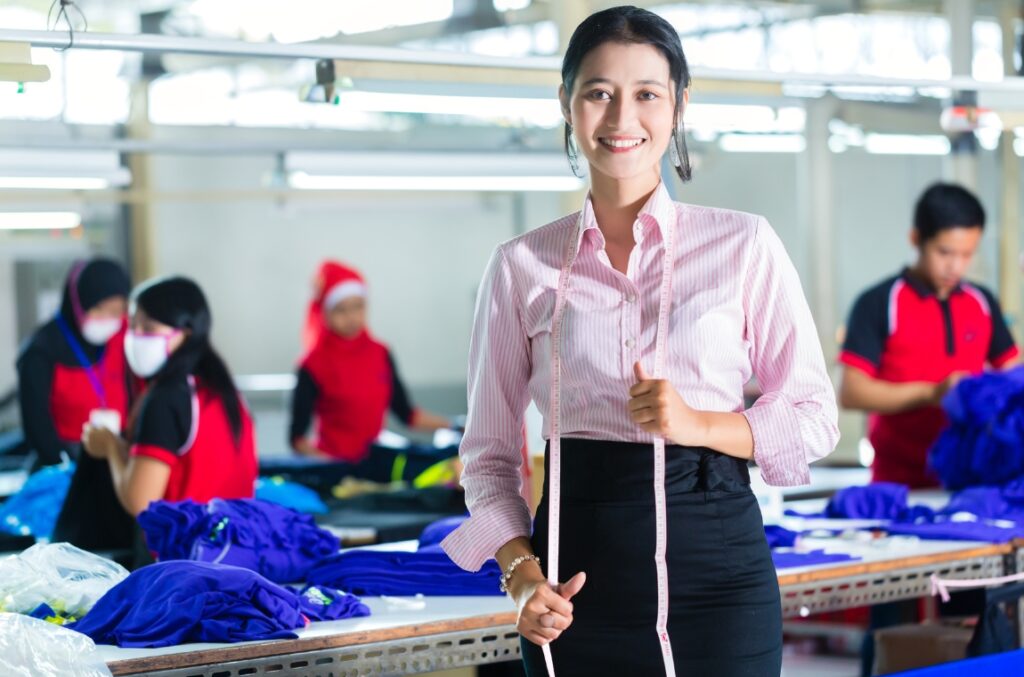
Vietnam has emerged as a key global hub for apparel manufacturing, offering fashion brands a strong combination of skilled labor, competitive production costs, and reliable export infrastructure. However, successfully manufacturing clothes in Vietnam requires more than simply choosing a factory. It demands a clear strategy, proper planning, and an understanding of local production practices.
This guideline will explore how brands can start manufacturing clothes in Vietnam step by step, covering industry insights, factory selection, sourcing models, and best practices to help you build a stable and scalable production foundation.
Step-by-Step process to start manufacturing clothes in Vietnam
Successfully manufacturing clothes in Vietnam requires a structured approach that aligns product design, sourcing strategy, factory capability, and production planning to minimize risk and ensure consistent quality outcomes.
Step 1: Define your product, volume & commercial targets
Start by clearly defining your product type, construction complexity, target price, expected order volume, and quality standards. Vietnamese factories are highly specialized, so having clear commercial and technical requirements helps you identify suitable manufacturers, receive accurate costing, and avoid misalignment during sampling and bulk production.
Step 2: Decide your manufacturing & sourcing model
Choose the production model that best fits your brand, such as CMT or FOB, OEM or ODM, and nominated or local sourcing. This decision impacts cost control, material responsibility, lead times, and supply-chain transparency, making it a critical foundation for successful apparel manufacturing in Vietnam.
Step 3: Shortlist the right type of garment manufacturers and evaluate factory capability & credibility
Identify factories based on product specialization, capacity, export experience, and compliance standards. Evaluating factory credibility through references, audits, and production track records helps ensure the manufacturer can scale from sampling to bulk production without compromising quality or delivery timelines.
Step 4: Costing, MOQ & commercial alignment
Review detailed cost breakdowns covering fabric, trims, labor, and overhead while confirming minimum order quantities by style and color. Aligning pricing expectations, payment terms, and lead times early helps prevent hidden costs, margin erosion, and disputes during bulk production.
Step 5: Sampling & product development
Sampling is where design intent meets factory execution. Providing complete tech packs and allowing sufficient time for revisions helps validate construction, fit, materials, and costing. Well-managed sampling reduces errors and ensures smoother transitions into bulk production.
Step 6: Pre-production planning & quality control setup
Before bulk production begins, align on approved samples, materials, timelines, and quality standards through a pre-production meeting. Establishing quality control checkpoints early minimizes miscommunication, controls defects, and protects delivery schedules throughout the production process.
Step 7: Bulk production execution
During bulk production, closely monitor progress, material readiness, and quality performance. Regular communication and inline inspections help identify issues early, prevent delays, and ensure production stays aligned with agreed specifications and delivery commitments.
Step 8: Build a long-term manufacturing partnership
Vietnamese manufacturing works best through long-term partnerships rather than one-off orders. Building consistent collaboration enables better pricing, priority capacity, improved lead times, and deeper alignment, creating a more stable and scalable production foundation for future collections.
Explore more: Top 8 benefits of continuous production partnerships
Overview of the Vietnam garment industry
Vietnam’s textile and garment industry continues to affirm its role as a leading global export hub, with apparel export revenues forecast to reach approximately US$46 billion in 2025, reflecting stable growth over 2024 and securing Vietnam’s position among the world’s top three garment exporters. This growth demonstrates the industry’s ability to adapt amid shifting global demand and supply-chain pressures.
In parallel, the sector has recorded a trade surplus of around US$21 billion while raising domestic value-added to roughly 52%, indicating gradual improvements in material sourcing and production depth. Vietnamese apparel is now supplied to more than 138 international markets, with the US, EU, Japan, and South Korea remaining the primary export destinations.
Why choose Vietnam for apparel manufacturing in 2026
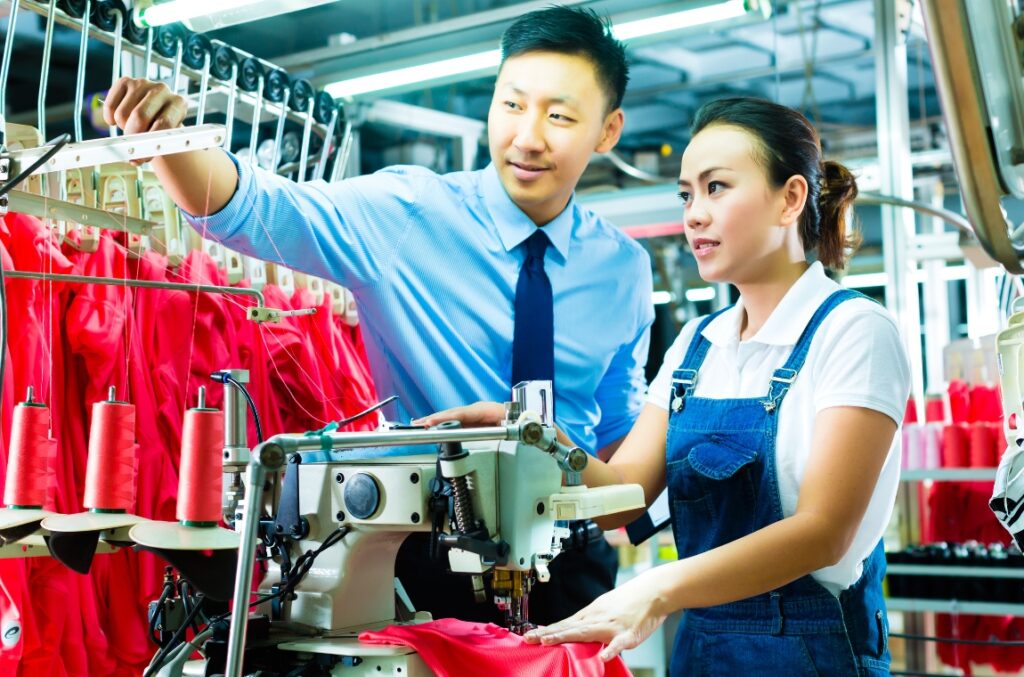
As global brands continue to rebalance supply chains in 2026, Vietnam stands out as a manufacturing destination that combines cost efficiency, skilled production, and strong trade access to major consumer markets.
- Competitive labor and production costs without quality compromise: Vietnam offers cost advantages compared to developed markets while maintaining high workmanship standards, making it suitable for both value-driven and mid-to-premium apparel brands.
- Favorable trade agreements (EVFTA, CPTPP) reducing tariffs and expanding market access: These agreements enable preferential duty rates when exporting to the EU, Japan, and other key markets, helping brands improve margins and pricing competitiveness.
- Highly skilled workforce and craftsmanship: Vietnam’s long-established garment industry provides experienced workers capable of handling complex constructions, consistent quality, and scalable production.
- Modern supply chain and logistics infrastructure: Ongoing investment in ports, industrial zones, and transportation supports reliable lead times and efficient export operations
Common mistakes brands make when manufacturing in Vietnam
Manufacturing in Vietnam offers strong opportunities, but many brands encounter avoidable challenges due to misaligned expectations, limited preparation, or a lack of understanding of how local garment production actually operates.
- Choosing factories based on price alone rather than product specialization: Low pricing often comes at the expense of product fit and expertise. Factories in Vietnam are highly specialized, and selecting the wrong one increases quality and delivery risks.
- Underestimating MOQ and lead-time requirements: Many brands expect high flexibility, but Vietnam’s factories must plan capacity and material sourcing in advance, making realistic MOQ and timeline planning essential.
- Providing incomplete or unclear tech packs: Ambiguous specifications lead to sampling errors, rework, and misinterpretation during bulk production, directly affecting cost and consistency.
- Rushing sampling and skipping pre-production alignment: Sampling validates construction and costing. Skipping proper alignment often results in bulk production issues that are costly to correct later.
- Failing to plan quality control and compliance requirements: Without defined QC standards and compliance planning, brands risk shipment delays, failed audits, or rejected goods.
Why choose Capital World Group as your clothing manufacturer?
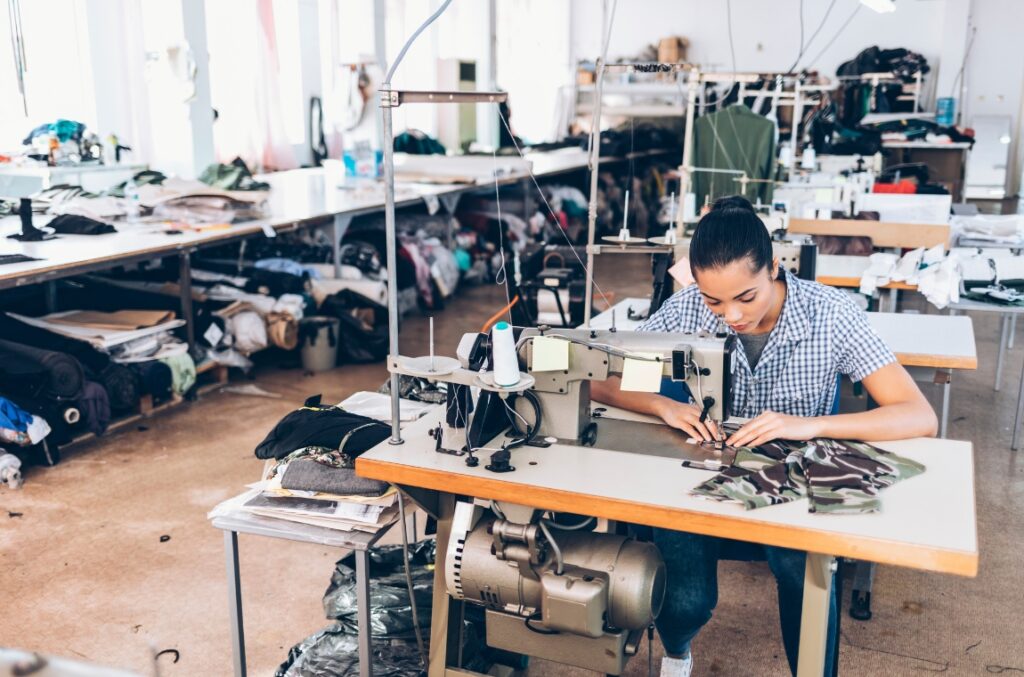
Capital World Group is a trusted Vietnam-based apparel manufacturer operating 18 production lines and employing more than 800 skilled workers through its fully owned garment production facility Kiara Garments.
With a vertically integrated production model, Capital World Group controls fabric and trim sourcing, pattern making, sampling, bulk production, quality control, and export under one roof. This end-to-end approach reduces lead times, improves cost efficiency, and gives brands greater visibility and confidence throughout the manufacturing process in Vietnam.
Contact us today to explore how we can support your apparel manufacturing in Vietnam with a transparent process, efficient execution, and a long-term partnership mindset.