

Fast fashion and sustainable fashion represent two contrasting approaches within the global apparel industry, each with very different environmental impacts. As clothing production accelerates worldwide, concerns over water consumption, carbon emissions, chemical pollution, and textile waste continue to grow. According to industry data, the fashion industry is now recognized as the second-largest consumer of the world’s water supply, intensifying pressure on natural resources.
This guideline will clarify both models, analyze their environmental consequences, and help brands make more responsible sourcing decisions.
Comparing fast fashion and sustainable fashion’s environmental impact
The contrast between fast fashion and sustainable fashion demonstrates that sourcing and production decisions have long-term environmental consequences. Brands that prioritize sustainability can reduce risk, strengthen trust, and contribute to a more responsible apparel industry.
| Impact category | Fast fashion | Sustainable fashion |
| Water usage | Very high: 79–93 billion m³/year globally; 1 cotton T-shirt ≈ 2,700 L | Much lower: Organic/recycled fibers reduce water use by 88% |
| Carbon emissions | High: ~10 % of global carbon emissions from production and logistics | Lower: Circular fashion initiatives have diverted over 30% of textile waste from landfills since 2020, promoting reuse and recycling |
| Chemical pollution | Significant: 17–20 % of industrial water pollution from dyes and finishing. | Minimal: Eco-friendly dyes, less toxic chemicals, water recycling reduces pollution |
| Material sourcing | Mostly conventional cotton, synthetic fibers, and non-certified materials | Certified organic, recycled, or sustainably sourced fibers |
| Product lifespan | Short: designed for trend-driven disposability | Long: designed for durability and multiple uses |
What is fast fashion?
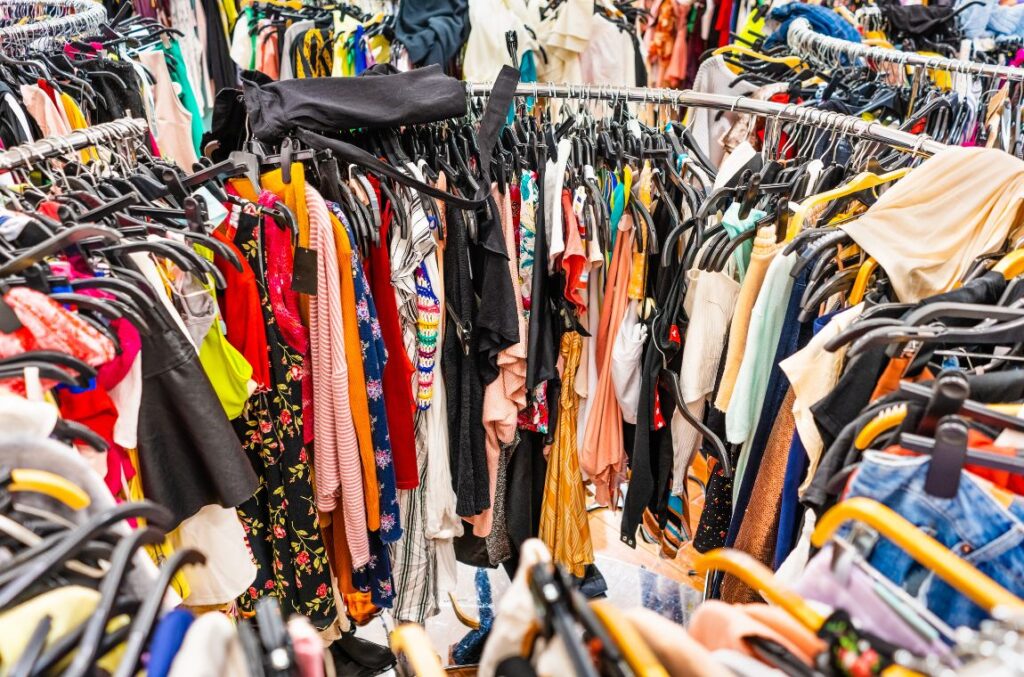
Fast fashion is a business model centered on rapidly replicating runway or social media trends and producing them at scale. It prioritizes speed-to-market, short product lifecycles, low retail prices, and high sales volume, often at the expense of durability and environmental responsibility.
Advantages of fast fashion
- Affordable pricing for consumers: Fast fashion leverages low-cost materials, efficient production, and global supply chains to offer trend-driven apparel at accessible prices.
- Fast response to trends and market demand: Brands can quickly translate runway looks or viral trends into retail-ready products.
- Scalable production volumes: Fast fashion models are designed for mass production, enabling brands to manufacture large quantities quickly
- Short lead times for brands: Compressed design-to-delivery timelines allow brands to test trends with minimal delay
Disadvantages & environmental risks
- Significant environmental footprint: Fast fashion consumes large amounts of water, energy, and raw materials, contributing heavily to pollution and carbon emissions.
- High textile waste generation: Short product lifecycles encourage overconsumption, resulting in millions of garments being discarded each year, most of which end up in landfills or are incinerated.
- Reputational and regulatory risks for brands: Increased scrutiny from consumers, governments, and NGOs exposes brands to backlash, fines, or loss of trust when sustainability standards are not met.
- Unsustainable pressure on manufacturing supply chains: Tight timelines and low costs often strain factories, workers, and environmental standards.
Environmental impact of fast fashion
Fast fashion’s emphasis on speed and volume creates significant environmental consequences across water use, emissions, and chemical pollution.
- Water usage: The fashion industry contributes around 20% of global wastewater and 8% of global carbon emissions, with greenhouse gas emissions projected to increase by 50% by 2030 due to fast fashion production cycles.
- Carbon emissions: Apparel production accounts for approximately 10% of global carbon emissions, driven by energy-intensive manufacturing, transportation, and overproduction.
- Chemical pollution: Textile processing and dyeing release toxic chemicals and untreated wastewater into rivers and soil, damaging ecosystems and posing serious health risks to local communities.
What is sustainable fashion?
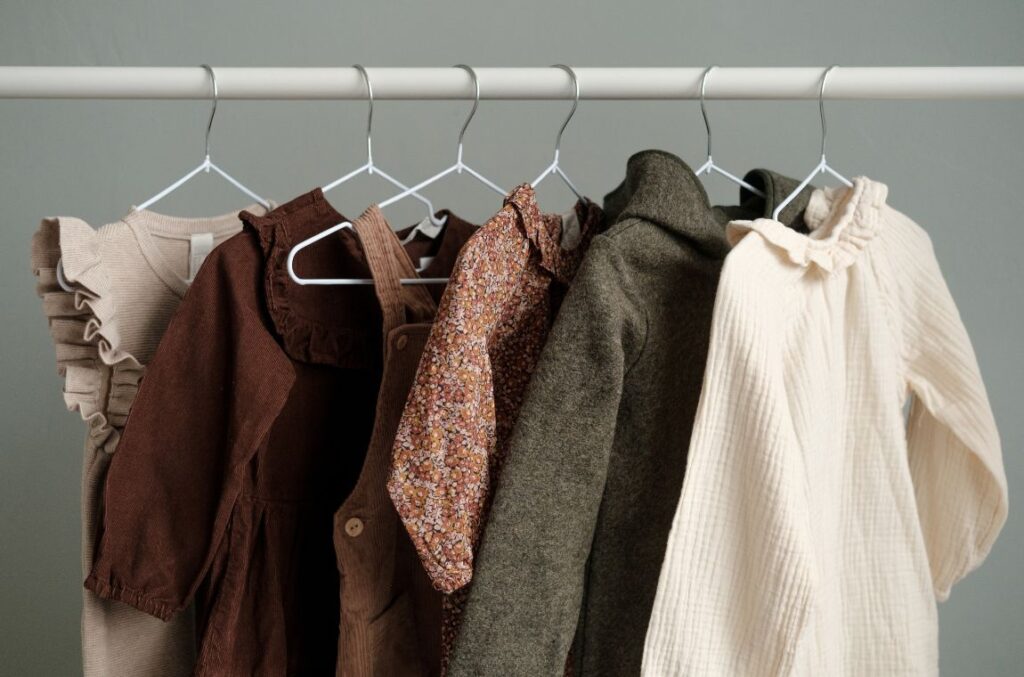
Sustainable fashion is an approach to apparel design and production that aims to minimize negative environmental and social impacts. It prioritizes responsible material sourcing, ethical manufacturing, durability, and transparency across the entire supply chain, from raw materials to finished garments.
Advantages of sustainable fashion
- Reduced environmental impact: Sustainable fashion lowers water use, energy consumption, and pollution by choosing eco-friendly materials and cleaner production processes.
- Stronger brand trust and long-term value: Brands committed to sustainability build credibility with increasingly conscious consumers, supporting long-term loyalty and differentiation.
- Better compliance with global sustainability standards: Using certified materials and ethical practices helps brands meet international regulations and retailer requirements.
- Improved supply chain resilience: Responsible sourcing and long-term supplier partnerships reduce risk and improve production stability.
Challenges & limitations
- Higher upfront production costs: Sustainable materials and ethical processes often cost more initially than conventional options.
- Limited availability of certified materials: Access to certified or recycled fabrics can be constrained depending on the region and supplier networks.
- Minimum order quantity (MOQ) constraints: Many sustainable mills require higher MOQs, which can be difficult for smaller brands that only need limited quantities or are testing new products.
Environmental benefits of sustainable fashion
- Lower water consumption: Recycling and reusing clothing can reduce water use by up to 70% compared to producing new garments.
- Reduced carbon footprint: Sustainable manufacturing methods and material choices can cut overall fashion industry greenhouse gas emissions by up to approximately 40% versus conventional practices.
- Waste reduction: Sustainable clothing lasts about 30% longer on average due to better materials and construction, significantly reducing textile waste over time
What fashion brands should consider when choosing suppliers?
Choosing the right supplier plays a critical role in reducing environmental impact while maintaining product quality and commercial viability. Brands should look beyond pricing and timelines to evaluate how suppliers manage resources, ensure compliance, and support long-term sustainability goals. A well-aligned supplier can help brands balance responsibility with scalability.
Key fashion brands should evaluate:
- Environmental criteria: water management practices, energy efficiency, waste treatment, and emission control
- Certifications that matter: Standards such as ISO 9001, Higg FEM, BSCI, GRS, and RCS confirm verified quality and sustainability performance. Capital World Group’s adherence to these frameworks supports responsible production and gives brands confidence in meeting international market requirements.
- Reducing impact without increasing MOQ: smart production planning, material optimization, and flexible sourcing strategies
- Consider some common sourcing mistakes: relying on unverified sustainability claims, skipping audits, or focusing only on fabric choice instead of full supply chain practices
Capital World Group – Advancing sustainable apparel manufacturing for your brands
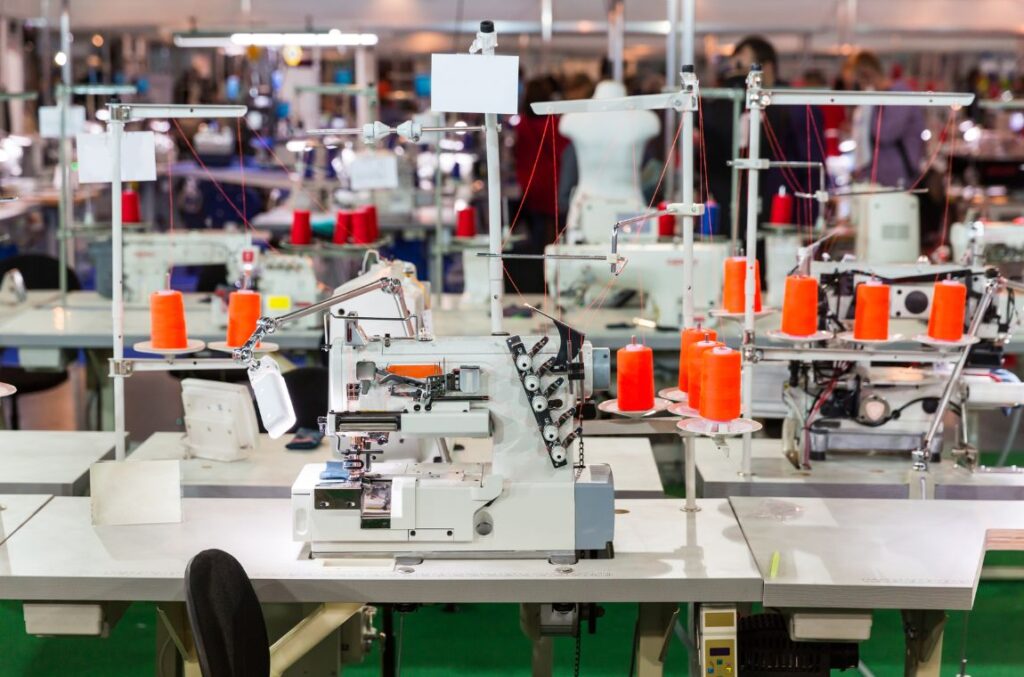
With over 40 years of experience serving international fashion brands, Capital World Group supports responsible apparel production without compromising quality, efficiency, or commercial viability. Our vertically integrated manufacturing model gives brands greater control over environmental impact while maintaining consistent standards across every stage of production. By combining technical expertise with verified sustainability practices, we help brands navigate the transition toward more responsible sourcing and manufacturing.
Get in touch with us to build a long-term partnership with a dependable, sustainable apparel manufacturer