
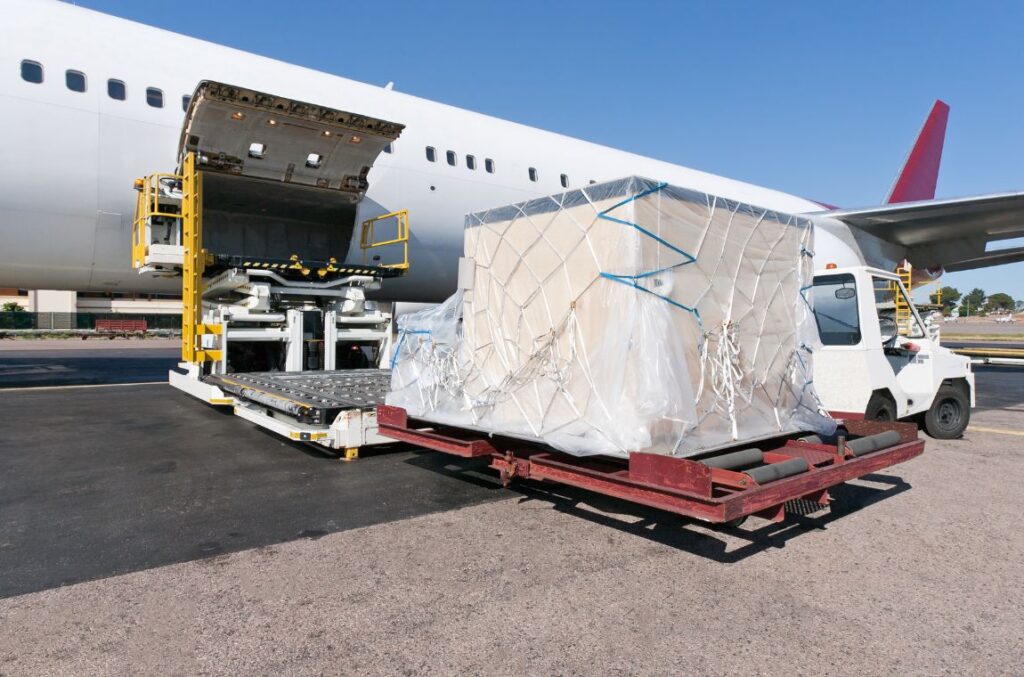
Vietnam has become one of the leading hubs for apparel manufacturing, especially for brands producing medium to large-sized orders. However, when it comes to shipping apparel batches, choosing between air freight and sea freight can directly impact costs, delivery timelines, and even product launch success. Each option offers distinct advantages depending on order size, urgency, and budget priorities.
This guide breaks down the key differences between air and sea freight for apparel shipments, enabling fashion brands to make informed decisions.
Side-by-side comparison table
| Category | Air freight | Sea freight |
| Transit time to the US | 3–8 days from origin airport to US destination airport, including export and import customs clearance (excluding final-mile domestic delivery) | 20–40 days from origin port to US port, including ocean transit and port handling (excluding inland trucking or rail delivery within the US) |
| Cost structure | Charged based on chargeable weight | Charged based on cubic meter (CBM) for LCL shipments |
| Best for (Products) | Ideal for samples, first orders, urgent replenishment, or time-sensitive fashion drops. | Best for repeat orders, bulkier garments, and brands prioritizing cost efficiency over speed |
| Risk of delay | Lower risk overall, with more predictable schedules | Higher risk of delay due to port congestion, vessel rollovers, customs inspections, and peak shipping seasons |
| Cost efficiency | Low | Hight |
| Ideal product type | Lightweight, high-value garments | Heavier garments, bulkier packaging |
This comparison highlights the trade-off fashion brands face when shipping apparel batches to large and distant markets like the U.S. Air freight prioritizes speed, control, and launch certainty but comes at a premium cost, making it suitable for time-sensitive or high-value products. Sea freight, while slower and less predictable, offers significant cost advantages for brands with flexible delivery windows. Choosing the right method depends on product value, urgency, seasonal timing, and overall supply chain strategy.
Why freight choice can make or break apparel orders
For apparel batches, freight is not just a logistics decision; it directly impacts cost control, delivery timelines, and brand credibility. Unlike small orders, bigger shipments are more sensitive to freight rates, consolidation fees, and scheduling delays.
Choosing the wrong shipping method can lead to missed product launch dates, unexpected cost increases, or inventory arriving too late for the selling season, directly affecting cash flow and market performance.
Understanding air freight for apparel
Air freight is a shipping method that transports apparel by aircraft, offering the fastest transit times between manufacturing hubs like Vietnam and global markets. For fashion brands handling apparel batches, air freight is often chosen when speed, reliability, and launch timing are more critical than shipping cost. While it comes at a premium, air freight can play a strategic role in reducing risk and supporting time-sensitive deliveries.
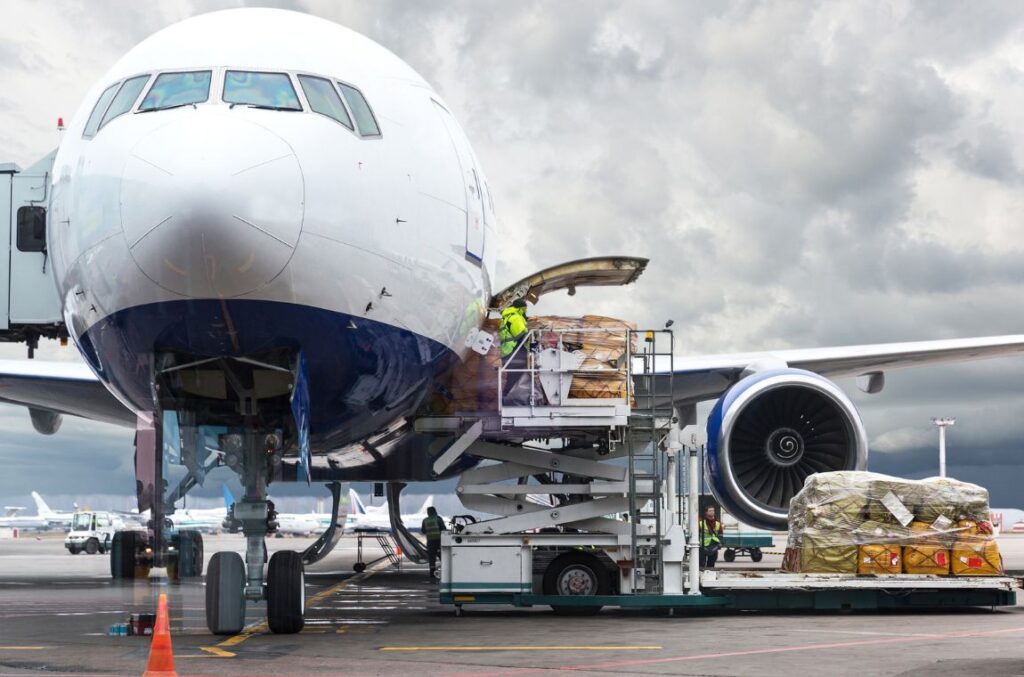
Advantages of air freight for clothing orders
- Fast transit times, often between 3–8 days
- Ideal for samples, first orders, and urgent product launches
- Lower risk of long port congestion or vessel delays
- Better control over delivery schedules and arrival dates
Limitations of air freight
- Higher cost per kilogram compared to sea freight
- Shipping costs increase quickly with heavier fabrics or bulky packaging
- Limited flexibility for oversized or high-volume shipments.
When air freight makes sense for fashion brands
- Shipping development samples or pre-production prototypes
- Launching new collections with fixed retail or marketing deadlines
- Delivering high-value or lightweight garments
- Managing partial shipments to keep timelines on track, some brands ship a portion of an order by air to support early sales while the balance moves by sea.
Key notes for shipping apparel by air
- Use air freight for partial shipments when timing is critical
- Optimize carton size and packing to reduce chargeable weight
- Plan production and packing carefully to avoid last-minute surcharges
Overview of sea freight for apparel
Sea freight is one of the most widely used shipping methods for apparel, especially for brands managing cost-sensitive or repeat orders. Although transit times are longer than air freight, sea shipping offers greater cost efficiency and capacity, making it suitable for heavier garments and less time-critical deliveries. For apparel shipments, sea freight can still be a practical option when planned carefully and aligned with production and sales timelines.
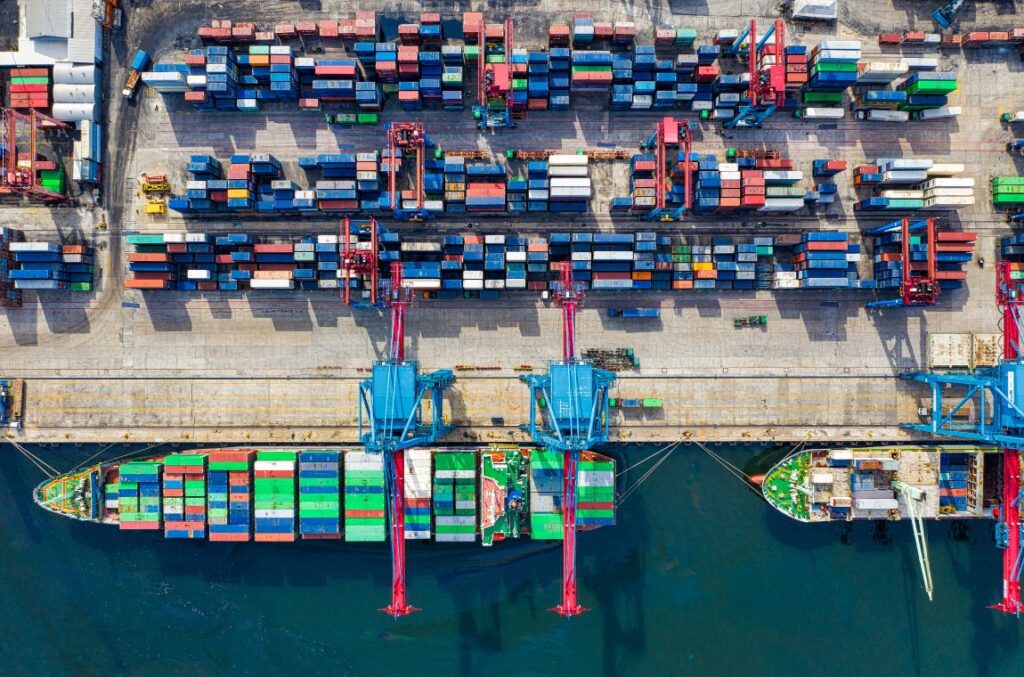
Advantages of sea freight for apparel batches
- Lower cost per unit compared to air freight
- Suitable for heavier garments and larger carton volumes
- Better option for non-urgent deliveries
- More environmentally efficient for larger shipment volumes
Limitations of sea freight
- Long transit times, typically ranging from 20 to 40 days
- Higher risk of port congestion and schedule disruptions
- Less predictable delivery timelines compared to air freight
When sea freight is the better option
- Shipping repeat or replenishment orders
- Delivering seasonal stock with flexible arrival windows
- Shipping heavier garments or dense fabric styles like knitwear, denim, and multi-piece sets
- Brands prioritizing cost efficiency over speed, especially on lower-margin items.
Key notes for shipping garments by sea
- Plan shipments early to avoid peak-season congestion
- Factor in buffer time for customs clearance and potential port delays
- Ensure cartons are properly moisture-protected to prevent fabric damage during transit
- Confirm Incoterms and port responsibilities, whether shipments are FOB, CIF, or DDP, clearly, to avoid unexpected costs or delays.
- Work with freight forwarders experienced in apparel
Common mistakes fashion brands make when shipping apparel batches
When shipping large apparel batches, brands often underestimate how logistics decisions affect cost, timing, and product success. Unlike small orders, large shipments leave little room for error, and poor freight choices can quickly erase margins or delay market entry.
These mistakes often lead to higher costs, delays, or missed market opportunities:
- Choosing the cheapest shipping option without considering delivery timelines
- Using sea freight for first orders with tight launch or marketing deadlines
- Ignoring packaging optimization and inefficient carton sizing
- Failing to account for peak-season port congestion and customs delays
Capital World Group will support fashion brands by integrating freight planning into the manufacturing process from day one. With vertically integrated manufacturing from fabric sourcing, sampling, packing, to export, the team helps brands choose the most efficient shipping method for each apparel batch, balancing order size, fabric weight, cost, and launch timelines. Through its vertically managed production approach, Capital World Group reduces logistics risk while keeping deliveries aligned with your goals.
Contact us today to optimize your apparel production and shipping strategy.